
Remembering Valentino Garavani: A Legacy Beyond the Seam
How tributes from icons like Paltrow and Crawford define a designer's lasting impact on fashion and culture. Introduction: A World in Red

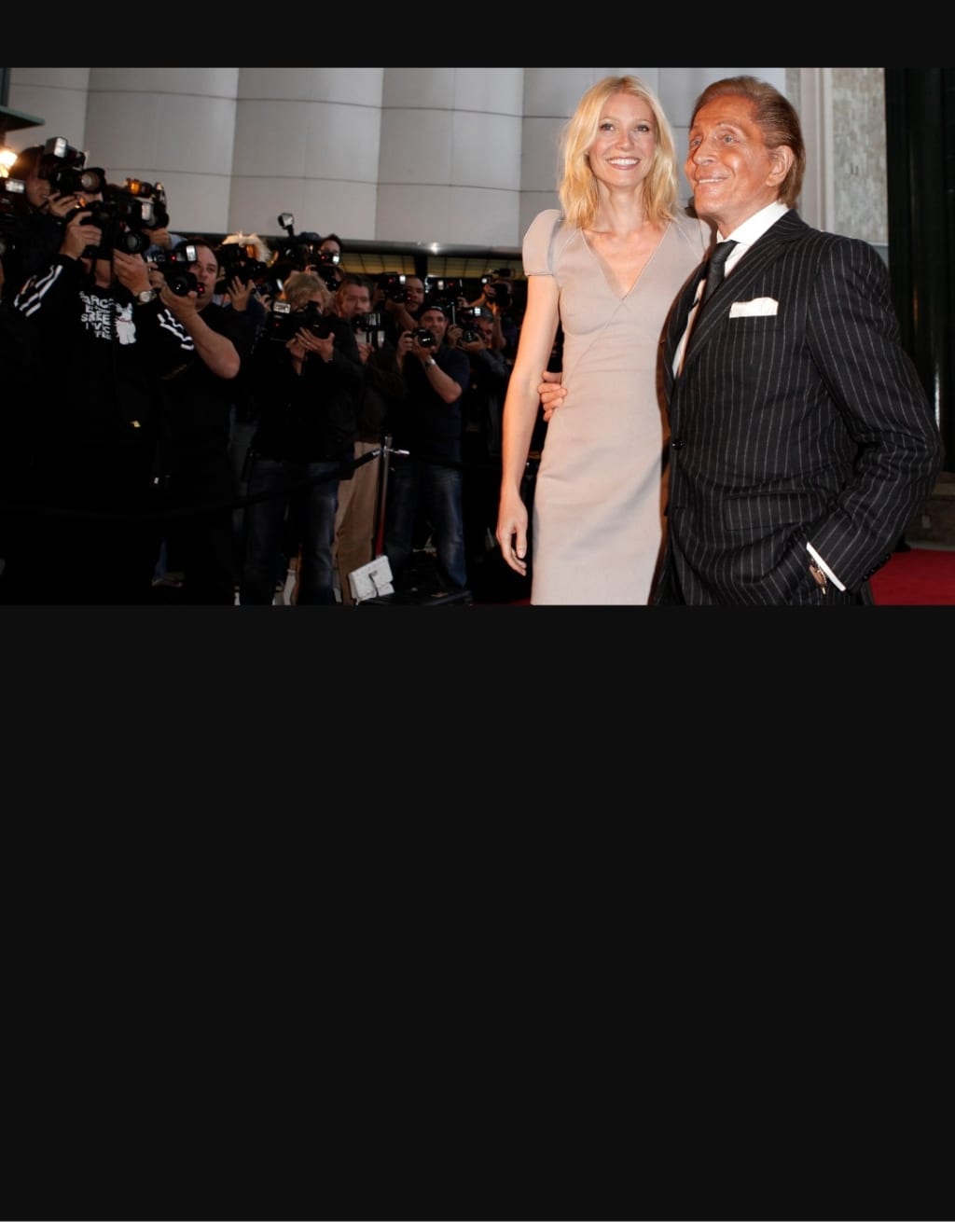
When the news of Valentino Garavani’s death spread, a specific color came to mind for many: Valentino Red. This was not just the passing of a clothing designer, but the closing of a chapter for an icon who dressed the world's most famous figures for over half a century. The tributes that followed, led by celebrities like Gwyneth Paltrow and Cindy Crawford, were more than simple condolences. They formed a collective portrait of a man whose work was integral to the image of modern glamour.
The Man Behind the Name: Valentino Garavani
Valentino Garavani, known mononymously as Valentino, was an Italian fashion designer born in 1932. He founded the Valentino brand in 1960 in Rome. His career spanned six decades, a longevity rare in the fast-changing fashion industry. He was known for a design philosophy rooted in classicism, opulence, and a deeply romantic sensibility. His clientele was consistently among the elite, from royalty to movie stars, who sought his designs for their most important public moments.
The Nature of the Tributes: Personal Testaments
The tributes reported by Sky News and other outlets shared a common thread: they were deeply personal. Gwyneth Paltrow did not just call him a great designer. She recalled being a young actress and the transformative experience of wearing his dresses, describing him as "the epitome of elegance." Cindy Crawford shared specific memories, highlighting his personal kindness alongside his genius. Donatella Versace, a peer from the Italian fashion world, spoke of a friend and an inspiration. This shift from professional praise to personal memory is significant in measuring true impact.
Valentino and the Celebrity Ecosystem
The list of mourners maps directly onto the history of red-carpet culture. For decades, a Valentino gown was a strategic choice for awards shows and premieres. It signaled taste, status, and an understanding of fashion history. Designers and celebrities now have symbiotic relationships, but Valentino helped pioneer this dynamic in an era of more formal exclusivity. To be dressed by Valentino was to be admitted into a specific echelon of style. The tributes acknowledge this gatekeeping role he mastered.
Defining the "Signature": More Than a Dress
What did these women, and hundreds of others, actually buy from Valentino? They purchased a specific vision. His signature was not a single silhouette, but a feeling: of timelessness, of drama, of unshakable femininity. He was known for impeccable construction, luxurious fabrics, and details like intricate pleating and bold floral prints. His most famous symbol, "Valentino Red," was a vivid, precisely calibrated shade that commanded attention. His work rejected fleeting trends in favor of a permanent idea of beauty.
The Business of Legacy: From Atelier to Empire
Valentino’s legacy is also one of business evolution. He built a personal atelier into a global luxury brand. In 1998, he sold his company, which later became part of the massive luxury conglomerate Valentino Group. He retired from ready-to-wear in 2008 and from haute couture in 2024, watching the house continue under new creative directors. The tributes honor the founder, but the continuation of the brand he named raises questions about the separation of a person's artistry from the corporate entity that carries their name.
Fashion as Cultural Diplomacy
The response to his death underscored fashion's role in culture. It was reported as major news globally, not just in style sections. Valentino, along with a small group of mid-century Italian designers, helped rebuild Italy's post-war image. They transformed "Made in Italy" from a label of manufacturing into a symbol of luxury, craftsmanship, and la dolce vita. His work was a form of soft power, making Italian aesthetics desirable worldwide. The tributes from American stars highlight the success of this cultural export.
The Difference Between Influence and Nostalgia
Analyzing these tributes requires a distinction. Are they celebrating ongoing influence or expressing nostalgia for a bygone era? Valentino’s peak eras—the 1960s jet set, the supermodel 1990s—represent periods often romanticized for their perceived elegance and exclusivity. His death prompts reflection on how fashion has changed, becoming faster, more accessible, and driven by social media. The tributes, in part, mourn the passing of the singular, authoritative designer-hero model he represented.
What the Silence Says: The Changing Guard
While major figures paid respect, the absence of commentary from the current generation of leading fashion influencers and digital-native celebrities is notable. This illustrates a generational shift. Valentino’s direct influence was on those who came of age in the 80s, 90s, and early 2000s. His legacy is secure, but his direct cultural touchpoints belong to a previous era. The tributes act as a handoff, from the people who wore him to the historical record that will remember him.
Conclusion: The Fabric of Memory
The tributes led by Paltrow, Crawford, and Versace do more than honor a man. They collectively archive an experience. They describe the weight of a dress, the feeling of confidence it provided, and the personal attention from a master. Valentino’s legacy is sewn into the memories of the most photographed women in the world. In an industry obsessed with the new, his death reminds us that lasting relevance is built not just on clothes, but on the indelible moments those clothes help create. His true final collection is the archive of images and recollections left by those who wore his work.
About the Creator
Saad
I’m Saad. I’m a passionate writer who loves exploring trending news topics, sharing insights, and keeping readers updated on what’s happening around the world.


Comments
There are no comments for this story
Be the first to respond and start the conversation.