
Start Smart: Carlos Alexandre Rozwadowski’s Guide for First-Time Buyers
Everything You Need to Know Before Buying Your First Home


Buying your first home can feel like learning a new language. You hear terms like appraisal, escrow, pre‑approval, and earnest money. You worry about prices and hidden costs. You want to do it right and avoid mistakes.
I get it. I’ve walked many first‑time buyers through this. My name is Carlos Alexandre Rozwadowski, and I'm here to share a friendly, easy-to-follow guide to help you succeed.
There’s nothing wrong with feeling overwhelmed at first. It is a big step, and it comes with a lot of moving parts. The good news is, once you break it down into smaller actions, it becomes something you can absolutely handle.
Get Pre‑Approved Before You Start Looking
Start with a mortgage pre‑approval. It gives you a clear budget. It shows sellers you’re serious. It saves time. It prevents heartbreak when you fall for a home you can’t actually afford. It’s simple: talk to two or three lenders. Compare rates, fees, and timelines. Pick the one that fits you best.
Having that pre‑approval in hand makes your search more focused; you won’t be wasting time on homes outside your range. Plus, when it’s time to make an offer, sellers will take you more seriously, which can give you an edge in competitive situations.
Define What You Actually Need
Know your must‑haves. Is school quality critical? Do you need a yard? Do you mind a busy street? List 3–5 deal breakers. It narrows your search and saves time. Write down wants vs needs. Wants are nice, but don’t let them derail your goals. Needs are non‑negotiable.
This is where you set yourself up for long‑term comfort. Be honest with yourself about your lifestyle and what you value day‑to‑day. The clearer you are on what matters most, the less likely you’ll get sidetracked by pretty finishes or fancy extras that don’t truly fit your life.
Choose the Right Agents and Inspectors
Get a real estate agent you trust. Ask around. Make sure they’ve helped first-time buyers before. They’ll guide you through pricing, offers, inspections, and negotiations.
Hire a good home inspector. They spot issues before you close. Fixing a problem after move-in costs more than negotiating a seller credit before closing.
A good agent and a solid inspector make a huge difference; they’re the people who help protect your interests when things get complicated. Don’t just go with who’s convenient or cheapest; take the time to find professionals who communicate well and take your concerns seriously.
Understand the Market, But Don’t Overthink It
Local markets fluctuate, prices go up and down. Ask your agent for nearby recent sales. That’s your real reference.
Take emotion out of it. You may love a home, but love doesn’t equal value. If comparable homes sell lower, walk away or negotiate. Don’t overpay.
Yes, it’s easy to get attached to a house that feels perfect, but the numbers still matter. The best decision is one that balances your heart with a clear-eyed view of the facts.
Plan It Out Step by Step
When you know what’s coming, you’re less likely to get overwhelmed or caught off guard. Think of it like a roadmap: it doesn’t make the drive shorter, but it sure makes it easier to follow.
Here it goes:
- Get pre-approved
- Find a home
- Make an offer
- Do inspections and appraisals
- Finalize financing
- Close the deal
Each step takes time. Keep your timeline clear. That builds confidence, for you and the seller, and it also helps you mentally prepare.
Negotiate with Facts, Not Feelings
Negotiation is about numbers and leverage. Want a lower price or credit for repairs? Show data (recent sales, inspection reports), don’t show emotion. It’s about business, not feelings.
Weak spots on your offer (like inspection results) give power to the other side. Strong pre‑approval and fair terms make your offer stronger.
If you make your case calmly and back it up with evidence, it often leads to more productive conversations and better outcomes. Remember, you’re not trying to win a fight; you’re trying to get to a fair agreement that works for everyone.
Keep Communication Open
Message every couple of days. Ask: What’s next? What’s up? It keeps you in the loop.
Communication prevents surprise delays. It builds trust with your agent, lenders, inspector. This is something I also tell my team - communication and building relationships, that's the core, not just closing the deals.
If something’s unclear, speak up; no question is too small. Keeping everyone informed helps prevent mistakes and makes you feel more in control during a process that can otherwise feel chaotic.
Think Long‑Term, But Be Realistic
First‑time buyers often live in their homes for 5–7 years. After that, market shifts or life changes may push you to sell. Maybe you'll decide that you want to rent for a while. Choose a home and location that holds value.
Look for signs: good schools, planned infrastructure, stable neighborhood. These bring future buyers. That supports your resale value.
Still, don’t try to predict the next decade perfectly—life will surprise you. Make the best choice you can with the info you have today, and be open to adapting as things evolve.
Get Ready for Move‑In
A few weeks before closing: book movers, set utility dates, change address. Have emergency funds ready. Pack early. Check smoke alarms and filters.
Being proactive eliminates chaos on closing day and after.
Even simple things like labeling boxes or confirming elevator access (if it’s an apartment) can make a big difference. The smoother your move-in, the faster you’ll feel at home.
Celebrate and Stay Curious
I found my home in Columbus, Georgia, and I'm always excited to help others find theirs. And that's what happens next here.
So, closing happens. You get keys. That’s a huge win. That's your home.
But don’t turn off. Ask your agent for small follow-ups after six months. Monitor your home’s maintenance. Keep learning about improvements, refinances, and tax breaks. Owning a home is a long journey - one you can refine over time.
Staying engaged with your home helps you protect its value and keep your investment strong. Plus, taking pride in the space you’ve worked so hard for feels really good.
Final Thoughts
First-time homebuying is a series of small, smart steps. You win when you plan well. When you listen. When you ask questions. And when you stay flexible.
Use facts, follow the plan, and keep your eyes on the bigger picture. Every decision moves you closer to stability, growth, and ownership.
Your first home can be more than a place; it can be a foundation. And you deserve a strong one.
The process may seem complex, but you don’t have to go through it blindly. Take your time, ask for help when needed, and trust that you’re building something valuable, step by step.
Warm regards and cheers to your first home!
Carlos Alexandre Rozwadowski
About the Creator
Carlos Alexandre Rozwadowski
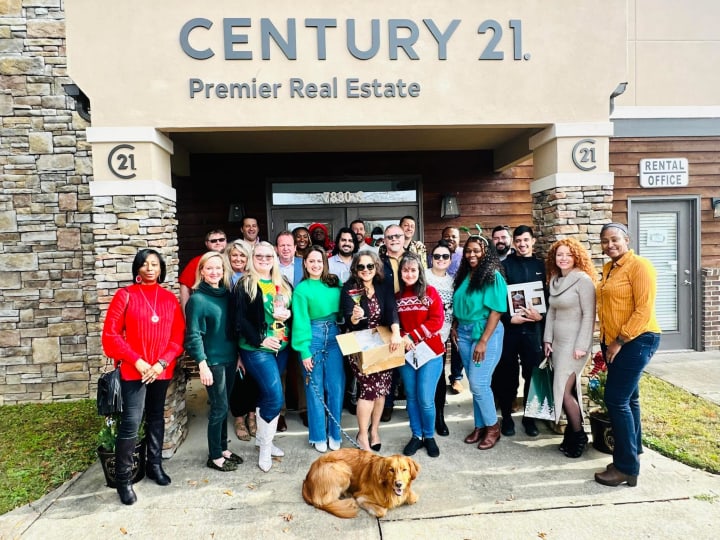
I’m Carlos Alexandre Rozwadowski, a real estate professional. After earning my B.B.A. at Georgia State and working in Europe, I found my passion back in Columbus, Georgia, co-founding CENTURY 21 Premier Real Estate.
Keep reading
More stories from Carlos Alexandre Rozwadowski and writers in Journal and other communities.
Neom Restructure Part of Saudi’s Vision 2030 Shake-Up
Saudi Arabia’s flagship megaproject Neom — envisioned as a futuristic city and cornerstone of Crown Prince Mohammed bin Salman’s ambitious Vision 2030 economic diversification plan — is undergoing a significant restructuring in response to financial pressures, delayed timelines, and evolving national priorities. What started as a bold blueprint for a high-tech, sustainable urban future is now being reshaped as the kingdom rebalances its economic strategy amid challenging global and domestic conditions.
By Salaar Jamalia day ago in Journal




Comments