
Neom Restructure Part of Saudi’s Vision 2030 Shake-Up
Ambitious megaproject faces strategic pivots as Saudi Arabia recalibrates its Vision 2030 priorities

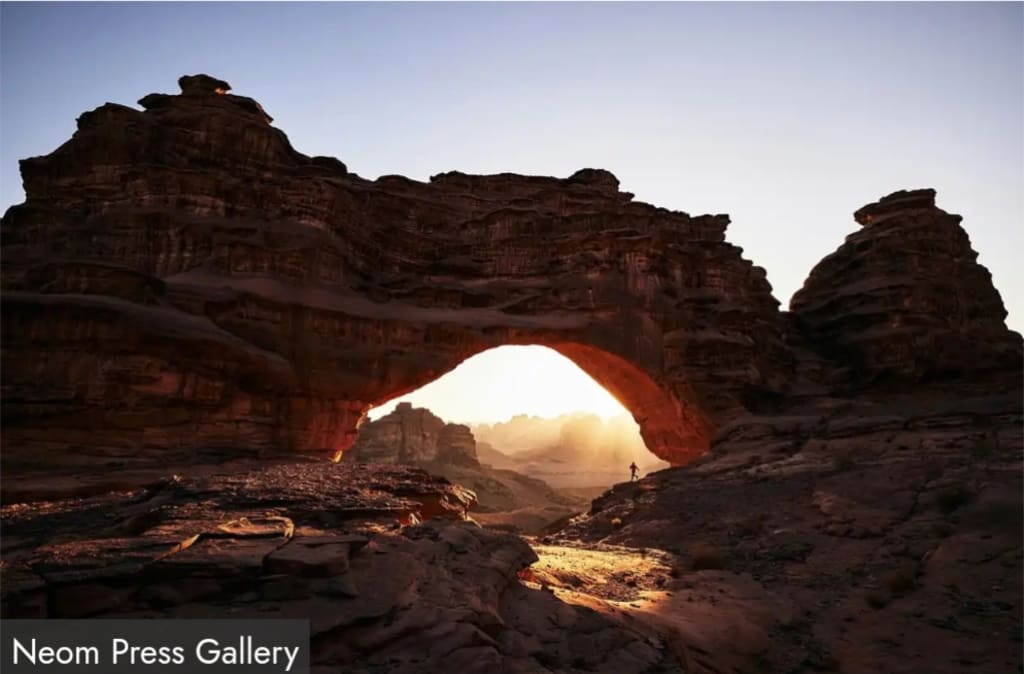
Saudi Arabia’s flagship megaproject Neom — envisioned as a futuristic city and cornerstone of Crown Prince Mohammed bin Salman’s ambitious Vision 2030 economic diversification plan — is undergoing a significant restructuring in response to financial pressures, delayed timelines, and evolving national priorities. What started as a bold blueprint for a high-tech, sustainable urban future is now being reshaped as the kingdom rebalances its economic strategy amid challenging global and domestic conditions.
This shift marks not just a revision of one project but a broader strategic pivot in how Saudi Arabia executes Vision 2030 — from grandiose long-term visions toward more pragmatic, fiscally grounded goals.
---
The Vision Behind Neom
Launched in 2017, Neom was envisioned as a $500 billion futuristic region on the Red Sea coast. It spans roughly the size of Belgium and was meant to house millions of residents in ultra-modern cities powered by renewable energy and cutting-edge technology. Key components included:
The Line: A planned 170-kilometer linear city — free of cars, roads, and carbon emissions — of mirrored skyscrapers.
Oxagon: A floating industrial port city.
Trojena: A year-round mountain resort with skiing facilities.
Sindalah: A luxury Red Sea island resort.
Neom was not just a construction project; it was symbolic of Saudi Arabia’s transformation away from oil dependency toward diversified growth in tourism, tech, industry, and sustainability.
---
What’s Changing: The Restructure Explained
Recent reports indicate Saudi leadership is now rethinking Neom’s scale, scope, and timeline to align with fiscal realities and broader national priorities. This includes:
1. Scaling Back ‘The Line’ and Population Targets
The once-central futuristic city has been drastically reduced. Officials now expect a much shorter completed stretch — just 2.4 kilometers of The Line by 2030 instead of the original 170 kilometers, with projected residents falling from 1.5 million to under 300,000.
2. Restructuring Project Priorities
Rather than primarily visionary urban marvels, Neom’s recalibrated plans aim to focus on practical economic infrastructure like AI data centers and industrial hubs leveraging the region’s coastal advantages (such as seawater cooling).
3. Leadership and Governance Changes
A leadership shake-up at Neom — including the departure of former CEO Nadhmi al-Nasr and the appointment of acting CEO Aiman al-Mudaifer — reflects a broader move to tighten operational oversight and better align execution with national strategy.
4. Financial Pressure and Fiscal Discipline
Tighter government budgets following subdued oil revenue have underscored the need for fiscal discipline. Neom’s financing, largely sourced from the Public Investment Fund (PIF), is being reexamined to ensure funds are deployed where they deliver timely and sustainable economic returns.
---
Why the Shift? Pressures Behind the Recalibration
Saudi Arabia’s repositioning of Neom isn’t happening in isolation — it’s part of a broader rethink of Vision 2030 implementation strategy. Several factors are driving this shift:
Economic Realities
Lower oil prices and economic uncertainty have pressured Saudi finances, prompting the kingdom to prioritize projects that can deliver clearer near-term benefits over far-off futuristic dreams.
Global Competition and Tech Focus
Saudi planners now see greater value in positioning the country as a regional AI and data hub — sectors with more immediate commercial appeal — than in building the full original vision of Neom by 2030.
Project Delays and Cost Overruns
Delays and ballooning costs — particularly for The Line — have made the original timelines unrealistic. Internal reviews show major components will extend well beyond the 2030 deadline without serious redesign.
---
What the Restructuring Means for Vision 2030
Rather than signaling a retreat from Vision 2030, many analysts see the Neom restructure as part of a maturation process, where Saudi Arabia refines its long-term goals to better fit current economic conditions and global trends.
Vision 2030 was always about diversification — from economic sectors to new sources of investment, employment, and global partnerships. While Neom remains an important symbol of that vision, the kingdom increasingly values projects that promise measurable economic impact within the next decade.
This recalibration also aligns with Saudi Arabia’s preparation for major near-term global events, such as the 2030 World Expo in Riyadh and the 2034 FIFA World Cup, which require infrastructure and investment focus in other parts of the country.
---
Challenges and Critics
Despite strategic adjustments, Neom’s reshaping has attracted criticism:
Skeptics argue that the original vision was unrealistic and overambitious given Saudi Arabia’s financial capacity.
Critics question whether scaling back will dilute the project’s transformational impact or discourage foreign investment.
Delays in major attractions like the Trojena Asian Winter Games further signal the tension between aspirational goals and grounded execution.
---
Looking Ahead
Neom’s ongoing restructure represents a critical juncture in Saudi Arabia’s economic diversification journey. The project’s evolution — from grand, futuristic visions to more grounded strategic assets — mirrors a broader shift within Vision 2030 itself: learning from early challenges and adapting to a rapidly changing global and domestic environment.
Saudi Arabia continues to push forward with ambitious plans to transform its economy, but the story of Neom now reflects a more measured, financially disciplined, and outcome-focused approach. As the kingdom navigates this transition, success will likely hinge on its ability to balance imagination with pragmatism, innovation with fiscal responsibility, and long-term vision with near-term deliverables.
About the Creator
Keep reading
More stories from Salaar Jamali and writers in Journal and other communities.
Pakistan to Offload 500,000 Tons of PASSCO Wheat as ECC Tackles Surplus Stocks
Subtitle Pakistan’s top economic decision-making body, the Economic Coordination Committee (ECC) of the Cabinet, has approved a major strategy to offload 500,000 metric tons of wheat held in government warehouses by the Pakistan Agricultural Storage and Services Corporation (PASSCO) — a move aimed at tackling surplus stocks, cutting storage costs, and stabilizing domestic wheat prices.
By Salaar Jamaliabout 18 hours ago in Journal
The Human Edge: Building an Irreplaceable Brand in an AGI Future
My AGI Awakening: From Overwhelmed Skeptic to a Future I Can Finally Grasp Let’s be honest. A few years ago, if you’d cornered me at a coffee shop and started ranting about Artificial General Intelligence (AGI), my eyes would have glazed over. I’d have nodded politely while silently screaming inside. My world was pixels, click-through rates, and server crashes. I was building a digital business from my garage, drowning in the now. The concept of AI achieving human-level or superhuman cognitive abilities felt like science fiction—a hot, distracting topic for academics and Silicon Valley dreamers, not for someone whose biggest win of the week was fixing a broken plugin.
By John Arthor6 days ago in Journal




Comments
There are no comments for this story
Be the first to respond and start the conversation.