
Social Media Evolution
Why Instagram and Facebook are hardly social media apps anymore
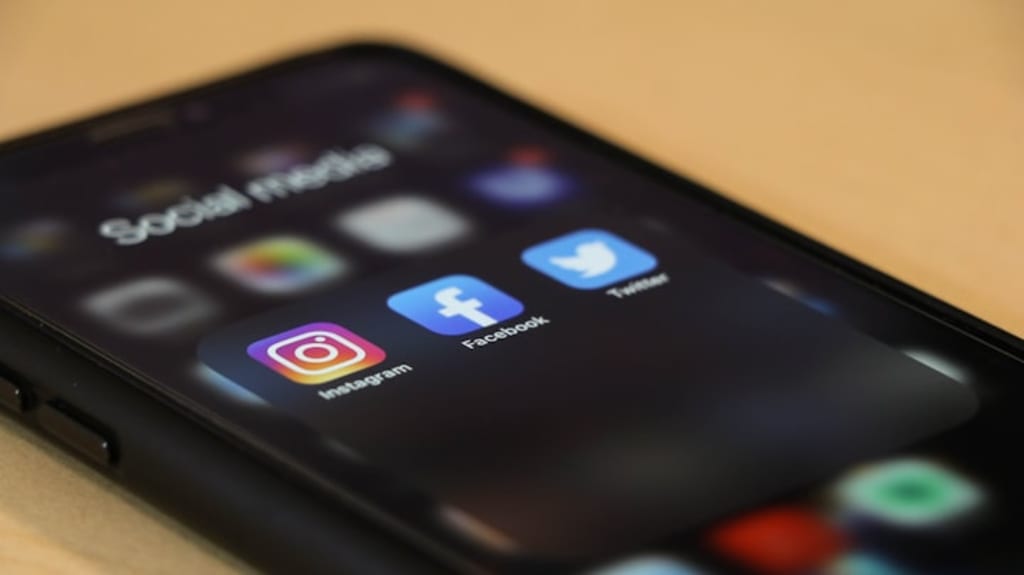
Connection was once the focus of social media. Facebook helped us stay in touch with friends and family, while Instagram let us share everyday moments through photos. However, fast forward to 2025, and the landscape has undergone significant alteration. Instagram and Facebook may still be called “social media,” but they function more like entertainment and advertising platforms than digital town squares.
So, what took place? Let's examine the reasons why Facebook and Instagram are no longer considered social media apps. From Individual to Performing These platforms were initially focused on friends and followers. You posted a photo, your friends liked and commented, and it felt like a genuine interaction. Now, you’re more likely to see influencer content, random videos, or sponsored ads than updates from people you actually know.
Instagram has become a Reels-heavy platform, borrowing heavily from TikTok. Facebook, on the other hand, places a higher value on video and content that is currently trending, frequently displaying updates from outside your network rather than those from your own. It’s not about personal sharing anymore—it’s about performing for an audience.
Overload of Algorithms One of the biggest shifts came when both platforms moved from chronological feeds to algorithmic ones. Instead of seeing posts from your friends in real time, the algorithm shows you the ones it thinks you'll be most interested in. This could be a stranger’s dance video, a product ad, or a meme you’ve seen five times already.
While this model boosts engagement and keeps people scrolling, it strips away the personal aspect. You're not connecting with people; you're consuming content. Attention is now more important than social interaction. The Industry of Likes and Influencers Both Instagram and Facebook have become stages for influencers, brands, and creators to sell products or lifestyles. Advertising and genuine content are becoming increasingly difficult to distinguish. What was once a casual sharing activity is now a content strategy thanks to users' encouragement to build followings, make use of popular sounds, and optimize for engagement. Authentic, everyday moments are often buried under stylized posts and polished videos. Instead of sharing a genuine slice of life, users now craft content to fit the mold of what the algorithm and audience want. It's more about "me as a brand" than "me and my friends." Ad Platforms in Disguise
At this point, Instagram and Facebook function more like ad platforms than social spaces. Almost every few posts are sponsored, with product tags, shopping links, and calls to action. Instagram even has a dedicated shopping tab, turning it into a kind of visual storefront. Facebook's Marketplace and video ads make it feel more like an eBay–YouTube hybrid than a place to catch up with friends.
And let’s not forget: you, the user, are the product. Your habits are tracked, your data is gathered, and your time is monetized. The core business model isn’t about social connection—it’s about selling your attention.
The Impact of TikTok TikTok’s explosive growth reshaped what people expect from social media. Fast, entertaining, algorithm-driven content is now the norm. Instagram and Facebook rushed to adapt, promoting short-form videos and suggested content over personal updates. This only pushed them further from being social platforms and deeper into the world of algorithmic entertainment.
Decline of Real Interaction
This shift has real consequences. Even when using apps meant to "connect" them, users report feeling more isolated. Most comments are superficial. Likes last a short time. The sense of true community is fading.
Instead of seeing what your best friend posted, you're watching a stranger cook pasta with trending music. You scroll, you consume, and you move on. There’s little conversation, little connection—just a flood of content.
Is There Any “Social” Left?
To be fair, some social features remain. You can still DM, comment, and tag friends. However, those are now secondary elements and not the main event. These apps' core is now content rather than community. In contrast, newer platforms like BeReal or Mastodon aim to revive the original spirit of social media. These apps focus more on real-time sharing, authenticity, and community-based interaction. Whether they catch on at a large scale remains to be seen, but their rise shows that users are hungry for something more genuine.
Conclusion: Time to Rethink the Label
Instagram and Facebook still call themselves social media platforms, but the label no longer fits. They're better described as hybrid content machines that are a mix of advertising network, e-commerce, and entertainment. The social aspect, once central, is now just a minor feature tucked beneath a mountain of curated content and algorithmic distraction. We should probably stop thinking of them as social apps and start referring to them as digital media businesses that are powered by our attention.
About the Creator
I Stopped Chasing Motivation and Focused on Systems.
Motivation feels good. It also fades fast. You wake up inspired one day and stuck the next. I learned this the hard way. I waited for the right mood before I worked. Progress stayed slow. Results stayed random. Everything changed when I stopped chasing motivation and built systems instead.
By Wilson Igbasiabout 13 hours ago in Journal
Miss Persephone's Manual to a Seemingly Ordinary Life
Miss Persephone was found at the dining table, her blue eyes swollen, her tears arriving and retreating like the tides of the ocean. Earlier that day, her family had visited her in the retirement home where she had lived for eight years. It was her eightieth birthday.
By Imola Tótha day ago in Fiction


Comments
There are no comments for this story
Be the first to respond and start the conversation.