
Smart Bites for Growing Minds: A Practical Guide to Healthy Snacks for Kids
Nutritious and tasty healthy snacks for kids that boost energy, support growth, and build smart eating habits with easy, fun, and wholesome ideas.

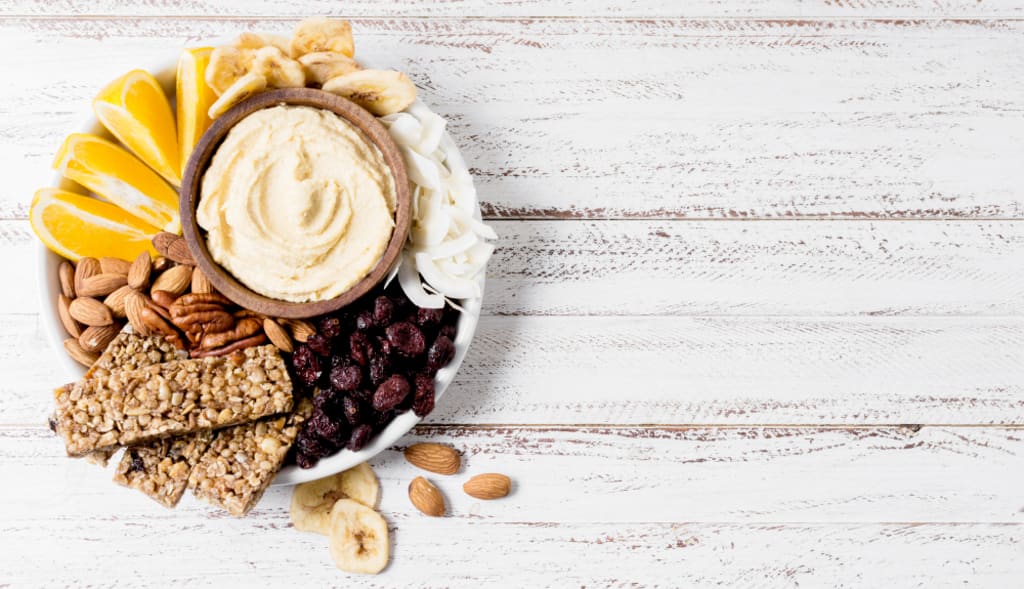
Snacking is an important part of a child's diet. Children have higher energy requirements as they go to school, do homework, engage in sports and play, and need to stay alert. Kids' healthy snacks are important since they are an important part of our physical development, brain function, and can set the precedent for a healthy diet later in life. Snacks that are healthy, balanced, and nutritious can help keep blood sugar levels stable, increase concentration, and develop healthy habits. Smart snack choices by parents are a way for them to build vitamins, minerals, fiber and protein into a kid-friendly package. With some thought and planning, healthy snacks can be a simple and satisfying way to increase energy and teach kids to appreciate foods that are good for them.
Children's stomachs are smaller than adults', which can lead to a problem getting all the nutrition they need in three meals a day. Healthy snacks can provide extra nutrition between meals. If complex carbohydrates are consumed with protein and healthy fats in the form of healthy snacks, this can slow down energy metabolism and reduce dips in mood and attention.
Poor snack choices are high in sugar, salt, or refined carbohydrate. Poor snack choices are indulgent and palatable. Excessive consumption of poor snack choices can lead to weight gain, tooth decay, and lowered immunity. This suggests that providing children with fruits, nuts, whole grains and dairy products may allow them to become healthier, and prefer those foods.
Eating healthy snacks can have a positive impact on learning too. Children who eat healthy foods during the day perform better in school. Stable energy levels improve memory, attention and behavior, making it easier for kids to pay attention at school.
Plan healthy snacks for kids by variety and balance, aiming for at least two food groups at each snack time. Consider these essential nutrients:
Protein: Encourages muscle growth and keeps kids feeling full. Good sources include yogurt, eggs, cheese, beans, and nuts.
Fiber: Aids digestion, curbs overeating. Found in fruits, vegetables, whole grains.
Healthy fats: Important for the brain and include seeds, nut butters, and avocados.
Calcium and iron: Bone structure and blood function. Found in dairy, leafy vegetables, and fortified products.
Combining these nutrients makes snacks both filling and nutritious.
Making snacks at home can allow for more control over ingredients and portions, and many snacks can be quickly prepared.
Fruit slices (such as apple wedges, banana coins, or pear) served with peanut butter or almond butter are sweet, protein-rich, and delightful finger foods. A bowl of Greek yogurt with berries and honey packs probiotics, calcium, and antioxidants, and whole-grain toast with mashed avocado or hummus provides fiber and healthy fats.
Vegetable sticks such as carrot sticks, cucumber, or bell pepper sticks make good snacks, especially with yogurt-based dips or guacamole. Homemade trail mix combining nuts, seeds, and dried fruit with a small amount of dark chocolate chips can offer a desirable mix of textures. Cheese cubes with whole-grain crackers are another healthy snack that a lot of kids enjoy.
Boiled eggs, mini sandwiches, or muffins from an easy recipe made from oats and fruit, can also be included in lunch boxes.
How food is presented also affects children's acceptance of healthy foods. Exposure to bright colors, fun shapes, and playful arrangements can help. Make it fun by cutting fruit into star, moon, or heart shapes, spearing them on a skewer, or creating smiley faces from vegetables.
Getting your children involved in the preparation process, for example washing fruit, mixing or packaging their snacks, may encourage them to be more likely to try new foods. Children are more willing to eat food they make.
Offering choices is another strategy: instead of asking whether they'd like a snack, offer a choice between two healthy snack options. This strategy empowers them without sacrificing their nutrition.
Sometimes packaged snacks are convenient. Read the label to find healthier options. Examples with few ingredients and less added sugar are whole-grain granola bars, unsweetened applesauce cups, plain popcorn, and low-sugar yogurt pouches.
Avoid foods with artificial flavors, high fructose corn syrup, or high sodium content. Use portion control, and apply moderation even to prepackaged foods that are relatively healthy.
This encourages children to anticipate eating times and prevents them from grazing. Snack times would typically be around mid-morning or late afternoon. Planning regular meal and snack times can help manage hunger. Creating a drawer of healthy snacks makes it easier to use these foods instead of unhealthy foods.
Staying hydrated is important. Sometimes what a child thinks is hunger is actually thirst. Encourage consumption of water or milk rather than sugar-sweetened drinks.
Teaching kids about balanced nutrition from an early age will help them build healthy eating habits for years to come. When kids eat healthy snacks for kids regularly, they will learn to associate healthy foods with feeling strong and energized. Skills learned early in life continue into adulthood and are associated with less chronic disease and better well-being.
Parents serve a model to children. Eating the same healthy foods as children reinforces the behavior. Family snack times can also promote conversation, bonding, and healthy lifestyle habits.
Healthy snacks can be more than a mini-meal in between main meals, helping children reach their nutrition requirements for growth, learning and activity. When snacks are made with whole, healthy ingredients, children will eat them! Depending on the age of your child, healthy snacks for kids can include fresh fruit and yogurt, homemade trail mix and quick and easy sandwiches and wraps. These healthy snack ideas for kids are easy to make and tasty to eat. With a little planning and routine, healthy snacks for kids are easy to adopt.
About the Creator
Tim David
Creator Blog and Analysis delivers concise, data-driven insights, trend analysis, and expert perspectives, helping readers understand markets, technologies, and opportunities through clear, actionable, and research-backed content.
~ Fired ~
— Ai Intrusion ~ Are you Next ~ Is Ai Evolution after your job? — Few workplaces haven't been affected. Ai is in supermarkets, at doctors' offices, and even monitoring farms. I just can't think of anything this machine is not getting into, can you? For instance: Education ~ Law and Tech jobs will one day have a major influence or be taken over by these inanimate machines, with accuracy and vigor. From mechanics' diagnoses to a wide variety of everyday jobs, including fast food workers, with this input having the ability to cut their unnecessary work hours. I'm certain all of us have been touched by this with our short stories and colorful headings, have you? Even comments are very questionable 'Non-Robot' insertions.
By Jay Kantor5 days ago in Journal
UN Risks ‘Imminent Financial Collapse’, Secretary-General Warns
The United Nations is facing the risk of an “imminent financial collapse,” according to a stark warning issued by Secretary-General António Guterres. The unprecedented alert highlights a deepening funding crisis that could severely undermine the UN’s ability to carry out its core missions, from humanitarian assistance and peacekeeping to development and climate action.
By Aarif Lashari6 days ago in Journal
Self Help: Grifters' Gospel
On Self-Help, Snake Oil, and the Illusion of Change Psychology professionals and students can be imagined on two opposite sides of a line called self-help books: likely a larger group opposes pop-science and step-by-step manuals filled with talk of success, journaling, and not giving a f**k; others love them, but they aren’t many.
By Avocado Nunzella BSc (Psych) -- M.A.P 4 days ago in BookClub




Comments
There are no comments for this story
Be the first to respond and start the conversation.