
UN Risks ‘Imminent Financial Collapse’, Secretary-General Warns
Funding crisis threatens global humanitarian aid, peacekeeping, and development work
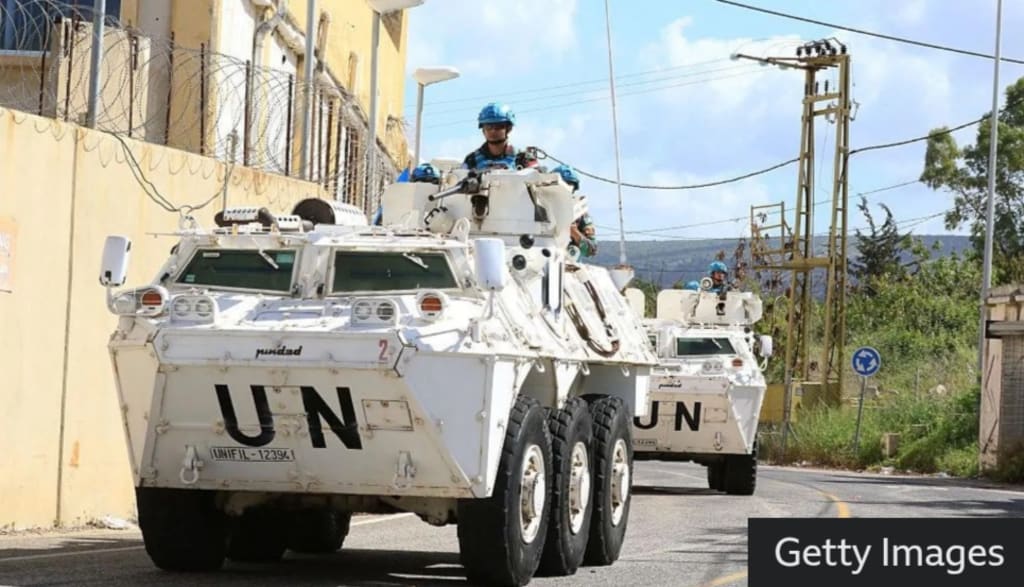
The United Nations is facing the risk of an “imminent financial collapse,” according to a stark warning issued by Secretary-General António Guterres. The unprecedented alert highlights a deepening funding crisis that could severely undermine the UN’s ability to carry out its core missions, from humanitarian assistance and peacekeeping to development and climate action.
As member states delay payments and global crises multiply, the organization tasked with addressing the world’s most urgent challenges is struggling to keep its own operations afloat.
A System Under Severe Financial Strain
The UN relies heavily on contributions from its 193 member states, many of which are legally obligated to pay annual dues. However, delayed and unpaid contributions have pushed the organization into a precarious financial position.
According to the secretary-general, the UN has been forced to deplete its cash reserves, delay payments to suppliers, and impose hiring freezes. In some cases, programs have been scaled back or postponed entirely due to lack of funds.
This is not a short-term budget shortfall, Guterres warned, but a structural crisis that threatens the organization’s stability.
Why the Crisis Is Happening
Several factors have converged to create the current financial emergency:
Late or unpaid contributions from member states
Rising operational costs, driven by inflation and global instability
Increased demand for UN services, including humanitarian relief, peacekeeping, and refugee support
Political tensions, which have made funding commitments more uncertain
While some countries face genuine economic pressures, UN officials note that non-payment is often a political choice rather than a financial necessity.
The Impact on UN Operations
If the funding crisis continues, the consequences could be severe and far-reaching. The UN oversees some of the world’s most critical programs, including:
Emergency food and medical aid in conflict zones
Peacekeeping missions in fragile regions
Climate monitoring and disaster preparedness
Education and development initiatives in low-income countries
A collapse in funding could mean delayed humanitarian responses, reduced peacekeeping capacity, and weakened oversight in areas where instability could escalate rapidly.
Peacekeeping Missions at Risk
Peacekeeping operations are among the most expensive UN activities and are particularly vulnerable to budget shortfalls. These missions operate in volatile regions and rely on steady funding to maintain personnel, equipment, and logistics.
Delays in funding can affect troop payments, supply chains, and operational readiness. In extreme cases, missions could be downsized or withdrawn, potentially leaving power vacuums that exacerbate conflict.
The secretary-general has emphasized that peacekeeping is not a luxury but a cost-effective way to prevent far more expensive conflicts down the line.
Humanitarian Aid in Jeopardy
The UN is also the backbone of global humanitarian response. Agencies under its umbrella provide food, shelter, healthcare, and protection to millions of people affected by war, famine, and natural disasters.
With humanitarian needs at record levels worldwide, a reduction in UN capacity could have life-or-death consequences. Aid organizations warn that even short delays in funding can disrupt supply chains and leave vulnerable populations without essential support.
A Warning to Member States
Guterres’ warning is directed squarely at member states, urging them to honor their financial commitments. He has stressed that the UN’s budget represents a tiny fraction of global military spending, yet delivers outsized benefits in terms of stability and cooperation.
The secretary-general has also called for structural reforms to make UN financing more predictable and sustainable, including revised contribution systems and contingency mechanisms to handle late payments.
However, such reforms require political will from the very governments currently contributing to the crisis.
Political Gridlock and Global Consequences
The funding shortfall reflects deeper political divisions within the international community. Disagreements over conflicts, sanctions, and geopolitical priorities have spilled over into financial cooperation, weakening the multilateral system.
Critics argue that allowing the UN to slide toward financial collapse undermines global governance at a time when coordinated action is more necessary than ever. Supporters of reform say the crisis could serve as a wake-up call to modernize an institution built for a different era.
What Happens Next?
Without immediate action, the UN may face increasingly drastic measures, including further budget cuts, program suspensions, and operational delays. The secretary-general has warned that such steps would reduce the organization’s credibility and effectiveness.
Emergency negotiations are underway, but officials stress that temporary fixes will not solve a structural problem. Long-term stability will require renewed commitment to multilateralism and shared responsibility.
Why This Matters to the World
The UN’s financial health is not an internal issue—it affects global security, humanitarian relief, and international cooperation. From conflict prevention to climate response, the organization plays a central role in managing challenges that no single country can address alone.
Allowing the UN to falter financially risks creating gaps that could be filled by instability, conflict, and humanitarian suffering.
Conclusion: A Critical Moment for Multilateralism
The warning of an “imminent financial collapse” underscores a defining moment for the United Nations and the global system it represents. The crisis is not merely about money—it is about political will, shared responsibility, and the future of international cooperation.
Whether member states choose to act now may determine not only the UN’s survival, but the world’s ability to respond collectively to the challenges ahead.
About the Creator
Keep reading
More stories from Aarif Lashari and writers in Journal and other communities.
Elon Musk Had More Extensive Ties to Epstein Than Previously Known, Emails Show
Newly revealed emails suggest that Elon Musk had more extensive interactions with Jeffrey Epstein than previously acknowledged, reopening public debate about the relationships powerful figures maintained with the disgraced financier before his crimes became widely known. While there is no allegation of wrongdoing by Musk, the disclosures have intensified scrutiny around transparency, accountability, and the responsibilities of influential leaders.
By Aarif Lashariabout an hour ago in Journal



Comments
There are no comments for this story
Be the first to respond and start the conversation.