
Sleep Apnea and Mental Health: How Poor Sleep Affects Anxiety & Depression
Dr Manvir Bhatia
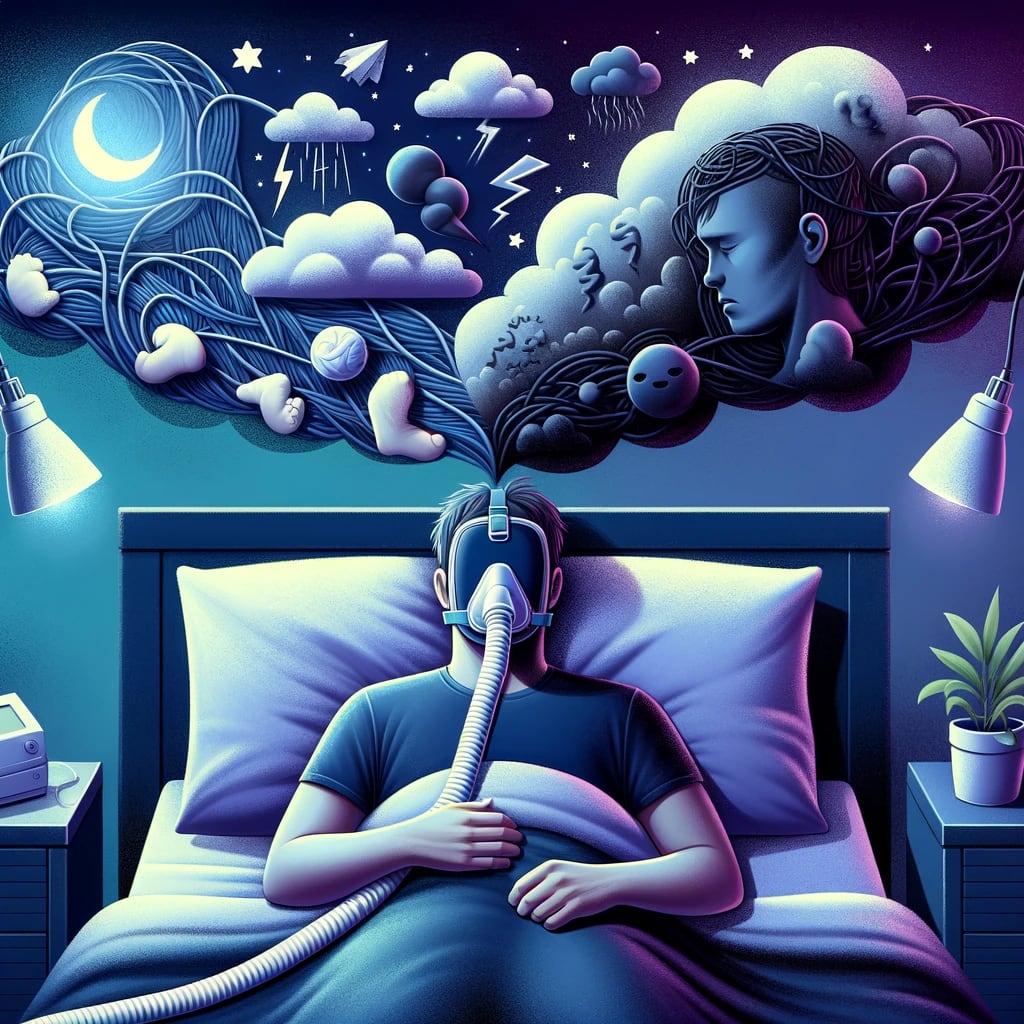
Introduction
Sleep apnea is more than just loud snoring or disrupted sleep. It can have serious effects on both physical and mental health. People with untreated sleep apnea often experience anxiety, depression, and mood disorders. Poor sleep quality affects brain function, emotional regulation, and stress levels, making mental health issues worse. Understanding the link between sleep apnea and mental health is crucial for effective treatment and overall well-being.
How Sleep Apnea Affects the Brain
Sleep apnea causes repeated interruptions in breathing during sleep, reducing oxygen supply to the brain. These pauses in breathing, known as apneas, lead to frequent awakenings and fragmented sleep. Over time, this sleep disruption affects the brain’s ability to manage emotions and stress, increasing the risk of mental health issues.
Oxygen Deprivation: The brain needs oxygen to function properly. When oxygen levels drop during apnea episodes, brain cells may suffer damage, affecting mood regulation.
Sleep Fragmentation: Constant waking prevents deep sleep, which is essential for emotional stability and cognitive function.
Hormonal Imbalance: Sleep deprivation affects the production of cortisol (the stress hormone) and serotonin (the mood-regulating hormone), leading to higher stress levels and mood disorders.
Sleep Apnea and Anxiety
Anxiety is commonly linked to sleep disorders, including sleep apnea. When sleep is constantly interrupted, the body remains in a heightened state of stress. This triggers the nervous system, making it harder for individuals to relax and feel calm.
Increased Heart Rate and Stress Response: Sleep apnea activates the body's fight-or-flight response, increasing heart rate and blood pressure, contributing to anxiety symptoms.
Lack of Deep Sleep: Poor sleep can make everyday stress feel overwhelming, making it harder to cope with daily challenges.
Hypervigilance: People with sleep apnea often wake up gasping for air. This repeated experience can cause fear of sleep, leading to sleep-related anxiety.
Sleep Apnea and Depression
Depression and sleep apnea often go hand in hand. People with untreated sleep apnea are more likely to experience feelings of sadness, hopelessness, and low energy. Studies show that those with severe sleep apnea are at a higher risk of developing depression.
Chronic Fatigue: A lack of restful sleep causes persistent tiredness, reducing motivation and energy levels.
Disrupted Brain Chemistry: Poor sleep disrupts neurotransmitters that regulate mood, such as dopamine and serotonin.
Social Withdrawal: Depression often leads to social isolation, and excessive daytime sleepiness from sleep apnea makes it harder to engage in social activities, worsening the condition.
The Sleep Apnea-Mental Health Cycle
Sleep apnea and mental health conditions can create a vicious cycle. Sleep apnea worsens anxiety and depression, while anxiety and depression make it harder to sleep.
For example:
Someone with anxiety may struggle to fall asleep, worsening sleep apnea symptoms.
Poor sleep from apnea increases feelings of worry and emotional distress.
Depression-related fatigue can lead to weight gain, which may make sleep apnea worse.
Treatment Options to Improve Sleep and Mental Health
The good news is that treating sleep apnea can significantly improve mental health. Here are some effective solutions:
1. CPAP Therapy
Continuous Positive Airway Pressure (CPAP) therapy is the most effective treatment for sleep apnea. It helps keep the airways open, allowing for uninterrupted sleep, which can improve mood and reduce anxiety.
2. Lifestyle Changes
Weight Management: Losing excess weight can help reduce sleep apnea symptoms and improve overall well-being.
Regular Exercise: Physical activity reduces stress, improves mood, and enhances sleep quality.
Healthy Diet: Avoiding alcohol, caffeine, and heavy meals before bed can promote better sleep.
3. Cognitive Behavioral Therapy (CBT)
CBT helps manage anxiety and depression by addressing negative thought patterns. It can also help with sleep-related anxiety by improving sleep habits and reducing stress.
4. Improving Sleep Hygiene
- Maintain a regular sleep schedule.
- Create a relaxing bedtime routine.
- Avoid screens and bright lights before sleep.
- Sleep in a dark, cool, and quiet environment.
Conclusion
Sleep apnea is not just a sleep disorder; it has a profound impact on mental health. Anxiety and depression can worsen with untreated sleep apnea, creating a cycle of poor sleep and emotional distress. Fortunately, effective treatments like CPAP therapy, lifestyle changes, and mental health support can help break this cycle. If you or a loved one experiences sleep apnea symptoms, seeking professional help can lead to better sleep and improved mental well-being.
About the Creator
Keep reading
More stories from Dr manvir bhatia and writers in Journal and other communities.
The Ultimate Guide to Sleep Apnea Treatment: Best Options & Home Remedies
Sleep apnea is a serious sleep disorder that affects breathing during sleep, causing repeated pauses that can impact overall health. If left untreated, it may lead to high blood pressure, heart problems, daytime fatigue, and other complications. The good news is that various treatments, from medical therapies to simple home remedies, can help manage sleep apnea effectively. In this guide, we’ll explore the best treatment options and home remedies to improve sleep quality.
By Dr manvir bhatia11 months ago in Journal
Machado Presented Her Nobel Peace Prize to Trump — But He Didn’t Actually Win It
In a stunning and symbolic moment at the White House, Venezuelan opposition leader María Corina Machado handed President Donald Trump her Nobel Peace Prize medal — a gesture that is now rocking world headlines and social media feeds.
By Omasanjuwa Ogharandukun5 days ago in Journal




Comments
There are no comments for this story
Be the first to respond and start the conversation.