
The Ultimate Guide to Sleep Apnea Treatment: Best Options & Home Remedies
Manvir Bhatia
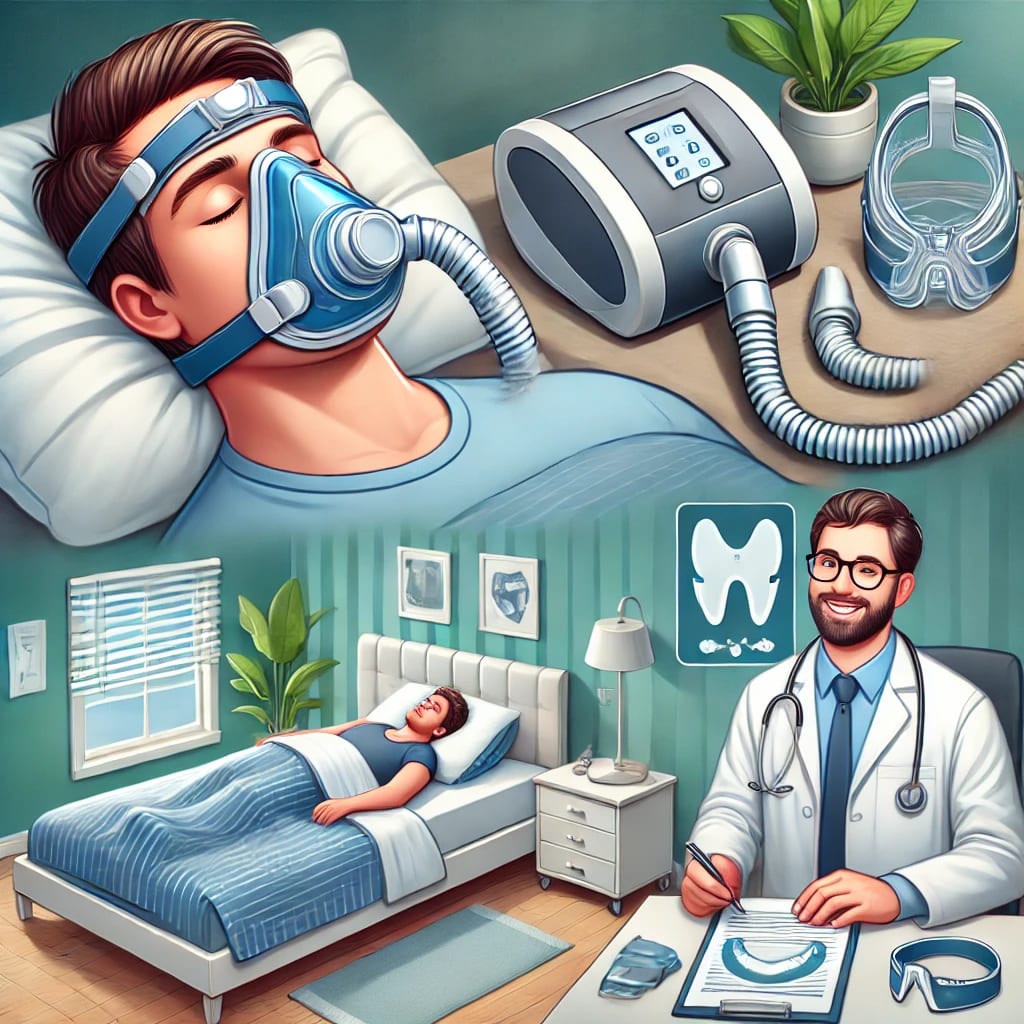
Sleep apnea is a serious sleep disorder that affects breathing during sleep, causing repeated pauses that can impact overall health. If left untreated, it may lead to high blood pressure, heart problems, daytime fatigue, and other complications. The good news is that various treatments, from medical therapies to simple home remedies, can help manage sleep apnea effectively. In this guide, we’ll explore the best treatment options and home remedies to improve sleep quality.
Understanding Sleep Apnea
- Sleep apnea occurs when the airway is blocked or the brain fails to send signals to breathe. There are three main types:
- Obstructive Sleep Apnea (OSA): The most common type, caused by throat muscles relaxing and blocking the airway.
- Central Sleep Apnea (CSA): Occurs when the brain doesn’t send the right signals to control breathing.
Complex Sleep Apnea Syndrome:
If you experience loud snoring, choking during sleep, excessive daytime sleepiness, or morning headaches, you may have sleep apnea. Seeking timely diagnosis and treatment is crucial to prevent health risks.
Best Medical Treatment Options for Sleep Apnea
1. CPAP Therapy (Continuous Positive Airway Pressure)
CPAP therapy is the most effective and widely used treatment for obstructive sleep apnea. A CPAP machine delivers continuous air pressure through a mask to keep the airway open. It helps reduce snoring, improves sleep quality, and prevents apnea episodes.
2. BiPAP Therapy (Bilevel Positive Airway Pressure)
BiPAP is similar to CPAP but provides different pressure levels for inhaling and exhaling. It is recommended for patients who struggle with CPAP or have central sleep apnea.
3. Oral Appliances
A sleep specialist may suggest a dental device that adjusts the position of the tongue or jaw to prevent airway obstruction. These devices are comfortable and suitable for mild to moderate sleep apnea cases.
4. Surgery for Sleep Apnea
For patients who don’t respond to CPAP or oral appliances, surgery may be an option. Common procedures include:
Uvulopalatopharyngoplasty (UPPP): Removes excess tissue from the throat.
Genioglossus Advancement (GA): Adjusts tongue position to prevent blockage.
Inspire Therapy: A small device implanted in the chest that stimulates the airway muscles.
5. Lifestyle Modifications
Making simple changes can significantly reduce sleep apnea symptoms:
Maintain a healthy weight to reduce excess throat fat.
Avoid alcohol and sedatives before bedtime as they relax airway muscles.
Sleep on your side instead of your back to prevent airway blockage.
Effective Home Remedies for Sleep Apnea
1. Use a Humidifier
Dry air can irritate airways and worsen sleep apnea symptoms. A humidifier adds moisture to the air, making breathing easier and reducing congestion.
2. Try Breathing Exercises
Practicing deep breathing and throat exercises strengthens airway muscles, reducing the risk of obstruction. Techniques like yoga breathing (pranayama) can help improve airflow.
3. Adjust Sleeping Position
Sleeping on your side instead of your back prevents the tongue from blocking the airway. Using a wedge pillow or positional therapy device can help maintain a better sleep posture.
4. Essential Oils for Better Sleep
Some essential oils, such as lavender, eucalyptus, and peppermint, may help open nasal passages and promote relaxation. Diffusing them in the bedroom before sleep can create a soothing environment.
5. Improve Nasal Breathing
If nasal congestion contributes to your sleep apnea, using saline nasal sprays, steam inhalation, or nasal strips can improve airflow and reduce symptoms.
When to See a Doctor
If you experience severe snoring, choking during sleep, extreme daytime fatigue, or difficulty concentrating, consult a sleep specialist. A home sleep apnea test or an overnight sleep study at a sleep disorder clinic can help diagnose the condition and determine the best treatment.
Final Thoughts
Sleep apnea can be a serious health condition, but with the right treatment and lifestyle changes, it can be effectively managed. CPAP therapy, oral appliances, surgery, and home remedies all play a role in improving sleep quality. If you suspect you have sleep apnea, don’t ignore the symptoms—seek medical help and start treatment as soon as possible. Prioritizing good sleep health will lead to better energy levels, mood, and overall well-being.
About the Creator
Keep reading
More stories from Dr manvir bhatia and writers in Journal and other communities.
The Connection Between Tension Headaches and Sleep Disorders: Expert Advice
Have you ever woken up with a headache that lingers throughout the day? Or maybe you struggle to fall asleep because of constant tension in your head? If so, you’re not alone. Many people don’t realize that sleep disorders and tension headaches are often connected. When sleep is disrupted, it can trigger headaches, and if headaches become frequent, they can make it even harder to get restful sleep.
By Dr manvir bhatia11 months ago in Journal
SEO Isn’t Dead — It Just Changed: Insights from Ayub Ansary’s Conference Session
Search Engine Optimization (SEO) has been a cornerstone of digital marketing for over two decades, continuously adapting to the shifting sands of search engine algorithms, user behavior, and technological advancements. Despite periodic cries of its demise, SEO remains a vital channel for organic visibility and traffic acquisition. The recent conference session featuring Ayub Ansary provides fresh, data-backed perspectives that challenge the notion of SEO as a fading discipline. Instead, it reveals an industry in flux—one that demands new strategies and higher standards to thrive.
By Muhammad Al Arabia day ago in Journal



Comments
There are no comments for this story
Be the first to respond and start the conversation.