

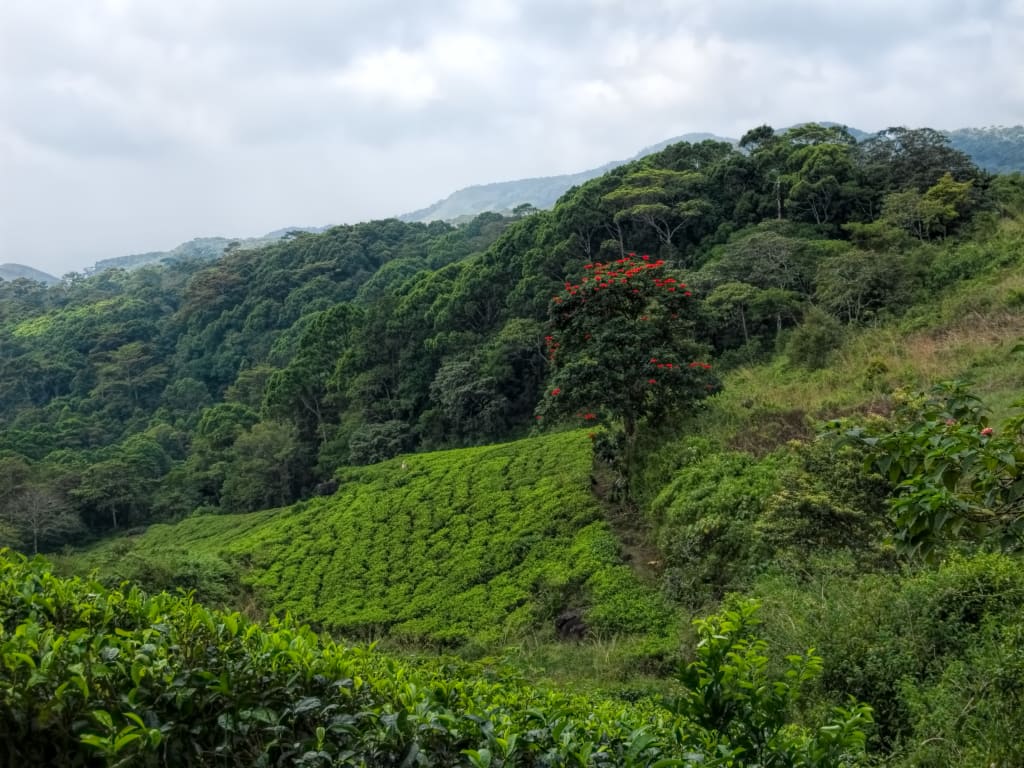
Sinharaja forest
Sinharaja Forest is a magnificent tropical rainforest in southwestern Sri Lanka. It is a UNESCO World Heritage Site and a Biosphere Reserve, famous for its incredible biodiversity and natural beauty. Covering an area of about 11,187 hectares, Sinharaja Forest is a true paradise for nature lovers and wildlife enthusiasts.
- History and Geography
The name "Sinharaja" means "lion king" in Sinhalese, and the forest was named after the Sinhalese legend that a lion ruled the area. The forest has been in existence for millions of years and is believed to be a remnant of a larger forest that once covered the lowland areas of Sri Lanka. Sinharaja Forest was declared a Man and Biosphere Reserve in 1978 and a World Heritage Site in 1989. It is located in the Sabaragamuwa and Southern provinces of Sri Lanka, and is about 120 km from Colombo, the capital city.
- Biodiversity
Sinharaja Forest is a biodiversity hotspot, with a high degree of endemism. It is home to many rare and endemic species of flora and fauna, including 139 species of trees, 85 species of reptiles, 14 species of amphibians, 38 species of fish, and over 400 species of birds. The forest is also home to many mammal species, including the elusive Sri Lankan leopard, purple-faced langur, endemic toque macaque, and rusty-spotted cat. In addition, Sinharaja Forest is home to many species of butterflies, moths, and other insects.
- Activities
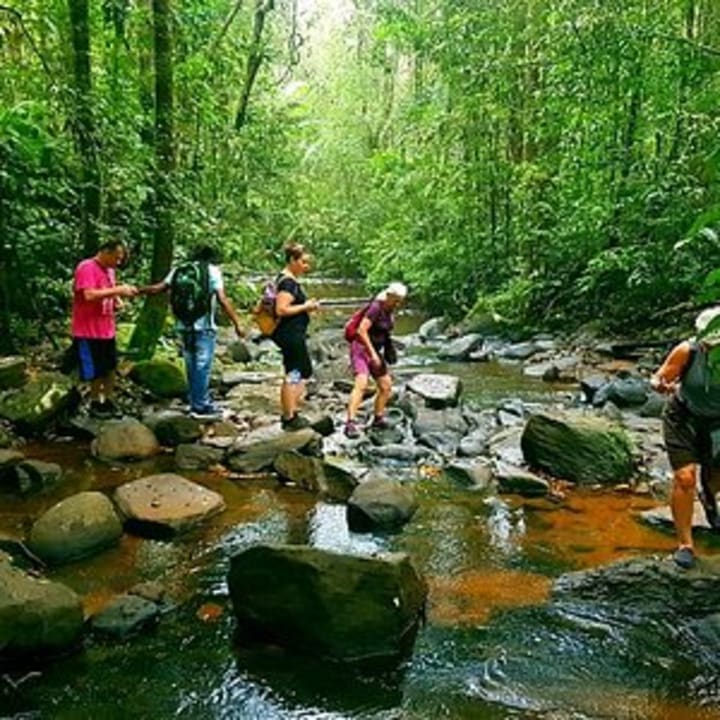
Visitors to Sinharaja Forest can enjoy a range of activities, such as guided nature walks, bird watching, camping, and trekking. There are several trails in the forest, ranging from easy to difficult. The most popular trails are the Kudawa trail, Moulawella trail, and the Rakwana trail. The Kudawa trail is a relatively easy trail and is ideal for families with children. The Moulawella trail is more challenging and offers spectacular views of the surrounding mountains. The Rakwana trail is the longest trail and takes about six hours to complete.
- Conservation
Sinharaja Forest is one of the last remaining rainforests in Sri Lanka, and its conservation is of utmost importance. The forest faces many threats, including deforestation, encroachment, and illegal logging. The Sri Lankan government, along with various conservation organizations, has taken several measures to protect the forest. The forest is now a protected area, and entry is restricted. Visitors are only allowed to enter the forest with a guide, and camping is only allowed in designated areas. The government has also implemented reforestation programs, and several conservation organizations are working to raise awareness about the importance of preserving the forest.
- Conclusion
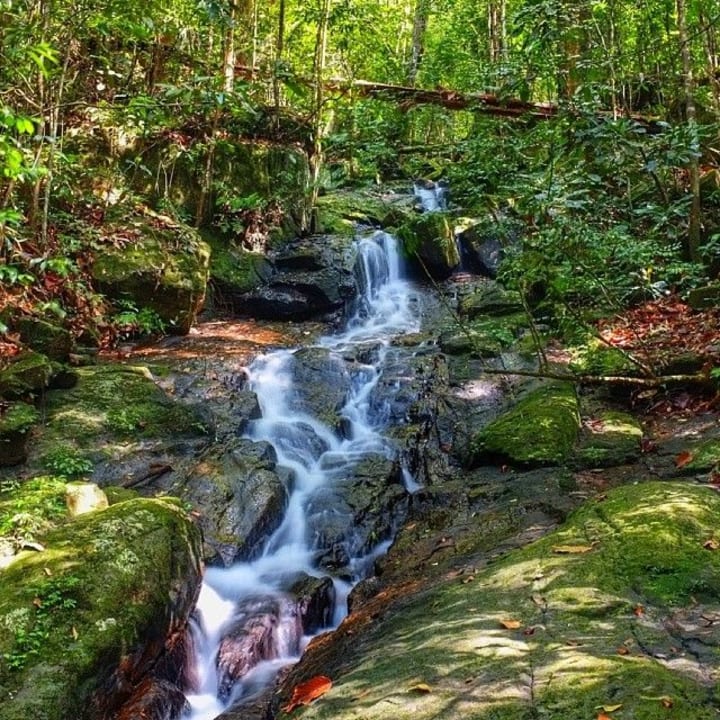
Sinharaja Forest is a unique and precious natural treasure that must be protected for future generations. It is a perfect example of the incredible diversity of life that can be found in tropical rainforests, and it provides important ecological services such as carbon sequestration, water conservation, and habitat for endangered species. As visitors to this beautiful forest, we have a responsibility to protect and preserve it for future generations. By supporting conservation efforts and promoting sustainable tourism, we can help ensure that Sinharaja Forest remains a vibrant and thriving ecosystem for many years to come.
Sinharaja Forest is not just a tourist destination, but also an important research site. Many scientists and researchers from all over the world come to the forest to study its unique flora and fauna. The research carried out in the forest has contributed to the understanding of tropical rainforests and their importance to the global ecosystem.
The forest is also an important source of livelihood for the local communities living around it. The forest provides them with a range of goods and services, such as timber, firewood, medicinal plants, and clean water. Sustainable development programs are being implemented to help the local communities benefit from the forest without harming its biodiversity.
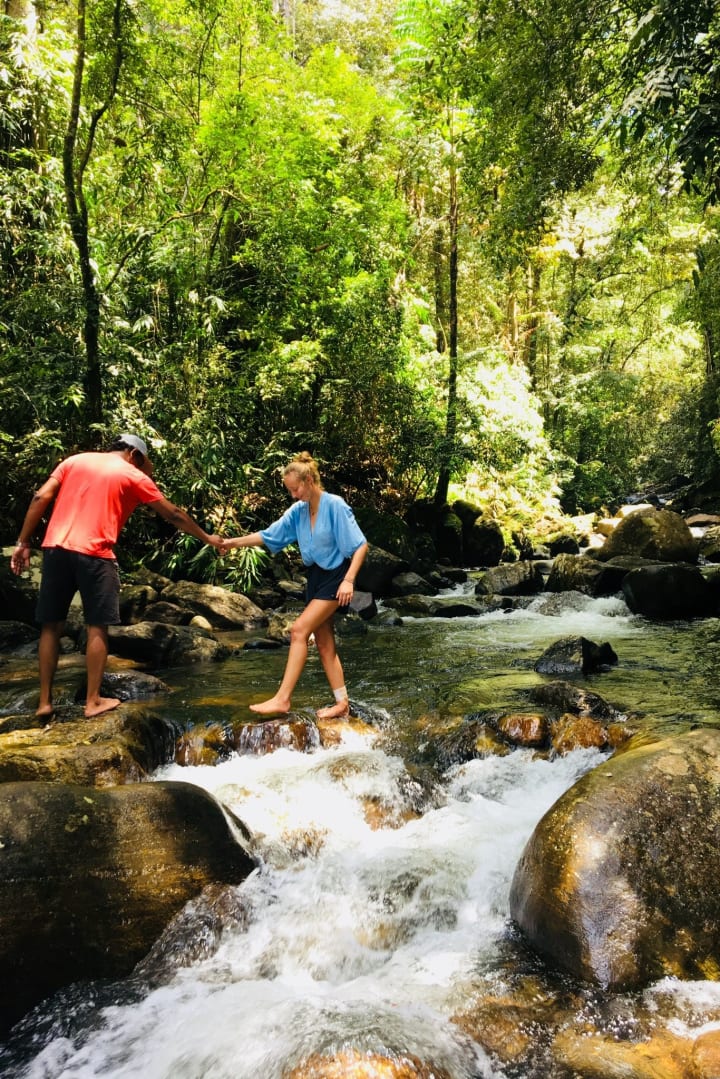
In conclusion, Sinharaja Forest is a treasure trove of biodiversity and natural beauty that must be protected and preserved for future generations. Its conservation is not just a matter of preserving a tourist attraction, but also of protecting an important ecological and cultural heritage. By working together to protect the forest, we can ensure that it continues to provide vital ecological services and benefits to local communities, while also being a source of wonder and inspiration for visitors from around the world.
About the Creator
Alone _ Traveller
One life. One world. Explore it as much as you can.
Keep reading
More stories from Alone _ Traveller and writers in Journal and other communities.
Adam's Peak
Adam's Peak Adam's Peak, also known as Sri Pada, is a 2,243-meter-high mountain located in the central highlands of Sri Lanka. This mountain is a sacred site for four major religions: Buddhism, Hinduism, Islam, and Christianity. It is believed that the peak contains the footprint of Buddha, Shiva, Adam, and St. Thomas. Every year, thousands of pilgrims from all over the world climb the mountain to pay their respects to the gods and to enjoy the breathtaking view from the summit.
By Alone _ Traveller 3 years ago in Journal
Economic and Civilian View – The Hidden Cost of Global Politics
When global geopolitics dominates headlines, the spotlight usually shines on presidents, summits, and military maneuvers. What rarely receives equal attention is the quiet, persistent impact these decisions have on everyday people. Global geopolitics stats reveal that civilians are increasingly absorbing the economic and social shockwaves of international power struggles. For many households, geopolitics is no longer distant or theoretical—it is personal, immediate, and costly.
By Global World News 7 days ago in Journal


Comments
There are no comments for this story
Be the first to respond and start the conversation.