
Economic and Civilian View – The Hidden Cost of Global Politics
Economic and Civilian View – The Hidden Cost of Global Politics

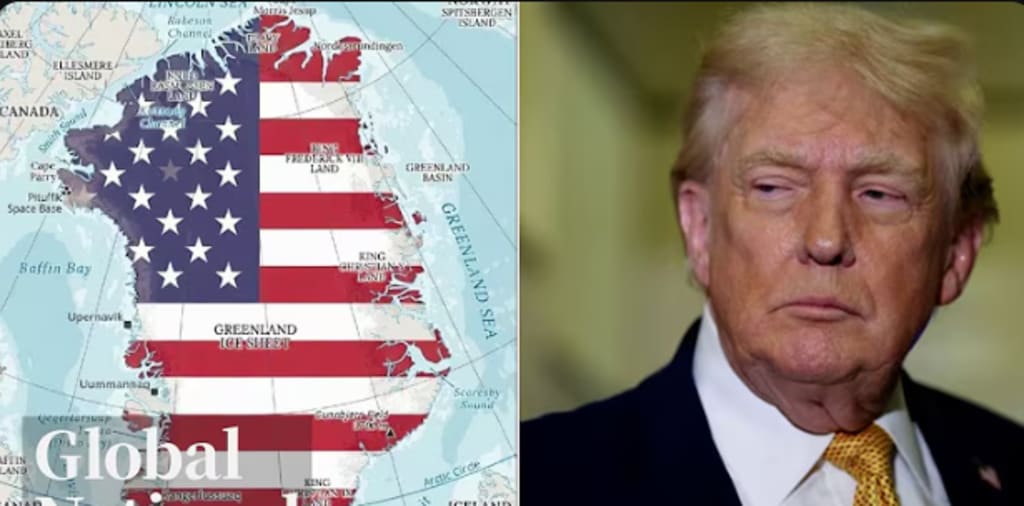
When global geopolitics dominates headlines, the spotlight usually shines on presidents, summits, and military maneuvers. What rarely receives equal attention is the quiet, persistent impact these decisions have on everyday people. Global geopolitics stats reveal that civilians are increasingly absorbing the economic and social shockwaves of international power struggles. For many households, geopolitics is no longer distant or theoretical—it is personal, immediate, and costly.
One of the clearest indicators of this impact is inflation. Nearly half of recent global inflation surges can be directly linked to geopolitical disruptions. Sanctions, trade wars, shipping route blockages, and energy conflicts all feed into rising prices. When oil or gas supplies are threatened, transportation costs rise. When transportation costs rise, everything from food to household goods becomes more expensive. This chain reaction hits lower- and middle-income families the hardest, shrinking purchasing power and increasing financial stress.
Food prices tell an even more concerning story. During periods of heightened geopolitical tension, food prices rise more than 20 percent faster than under stable conditions. Conflicts disrupt farming regions, reduce exports, and interrupt fertilizer supplies. Even countries far from conflict zones feel the impact because global food systems are deeply interconnected. A drought or war in one region can affect supermarket shelves thousands of miles away. For millions of people, this means fewer choices, smaller portions, and growing insecurity.
Employment is another area where global politics quietly reshapes daily life. Statistics show that roughly one in three jobs worldwide is now exposed to geopolitical risk. Industries such as technology, logistics, energy, tourism, and manufacturing depend heavily on stable international relations. When tensions rise, companies delay investments, pause expansion plans, or reduce staff. Workers may not see geopolitics listed as the reason for layoffs, but the connection is often there.
Currency instability adds further pressure, especially in developing and emerging economies. Global geopolitics stats show currency volatility in these regions has increased by more than 60 percent during major geopolitical crises. When currencies weaken, imports become more expensive, savings lose value, and inflation accelerates. Families who worked hard to build financial security can see it erode rapidly through no fault of their own.
Migration trends reflect the human cost of these pressures. Political instability, economic collapse, and armed conflict have driven forced migration to record levels. Over the past decade, displacement linked to geopolitical instability has risen sharply. This fuels intense debates in destination countries about borders, resources, and social cohesion, while migrants themselves face uncertainty, risk, and hardship.
What’s often overlooked is how information asymmetry worsens these outcomes. Civilians usually learn about geopolitical shifts after the consequences have already arrived—when prices rise, jobs disappear, or currencies fall. Those who follow geopolitical indicators earlier tend to adapt faster. They may adjust spending, diversify income, prepare emergency reserves, or rethink long-term plans. Awareness doesn’t eliminate risk, but it reduces vulnerability.
This is why many readers are increasingly drawn to independent global news portals that focus not just on events, but on impact. These platforms break down how geopolitical developments affect inflation, employment, energy costs, and personal security. Some even provide early alerts, scenario analysis, and practical insights that help people prepare rather than panic.
Checking a trusted global news source through a blog link in bio isn’t about fear or speculation. It’s about economic self-protection in a world where political decisions can cross borders faster than ever. In uncertain times, informed civilians are better equipped to protect their families, finances, and future.
The debate remains open and emotionally charged. Should governments be held accountable for shielding civilians from geopolitical fallout, or has globalization shifted more responsibility onto individuals? As global tensions continue, this question will only grow louder in public discourse.
About the Creator
Global World News
Uncover the full story behind the headlines!
🌎 Global News & Insider Insights | 💻
Check Our Global News Portal 👇
Keep reading
More stories from Global World News and writers in Journal and other communities.
Strategic Power View – The Global Balance of Power
The global geopolitical stage today feels heavier, louder, and more uncertain than at any time in recent decades. Statistics coming from defense budgets, alliance structures, and conflict zones tell a clear story: power is shifting, and the rules that once governed international stability are being rewritten. Global geopolitics stats are no longer background noise for diplomats. They are signals that affect markets, borders, and everyday safety.
By Global World News 2 days ago in Journal
Let's Don't Do This
"I just can't do this anymore..." "Do what?" What can't you do? Put gas in your own car? I swear to God you make me take care of everything, don't you? You know I'm on my way to work right now but that never stops you from bothering me, does it?"
By Shirley Belk6 days ago in Fiction


Comments
There are no comments for this story
Be the first to respond and start the conversation.