
Seven Antioxidant-Rich Foods That Will keep you Away From Diabetes, Blood Pressure and Heart Diseases in 2023
Cure For Lifestyle Diseases

Introduction:
Maintaining a healthy diet plays a crucial role in managing chronic conditions such as diabetes and high blood pressure. Antioxidant-rich foods, in particular, have shown immense potential in supporting overall well-being and combating the harmful effects of oxidative stress. This article highlights seven antioxidant foods that can aid in the management of diabetes and blood pressure, promoting a healthier and more balanced lifestyle.
Blueberries
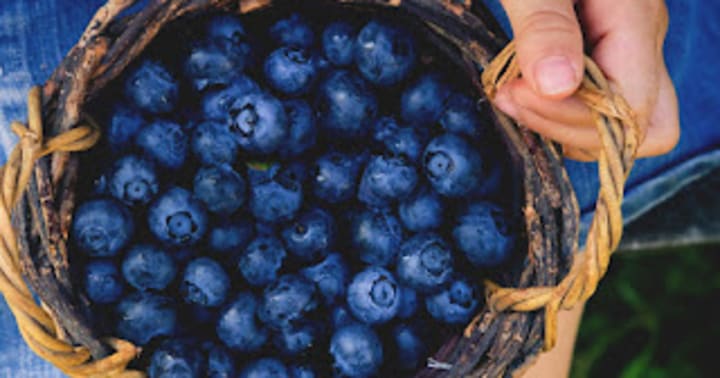
Blueberries are a small, vibrant fruit known for their delightful taste and numerous health benefits. Packed with antioxidants called anthocyanins, these berries offer a wide range of advantages that promote overall well-being. In this article, we will explore the remarkable benefits of blueberries, from their anti-inflammatory properties to their positive effects on blood sugar levels and vascular health.
Blueberries are not only delicious but also incredibly nutritious. They are low in calories and rich in vitamins, minerals, and dietary fiber. The vibrant blue color of blueberries comes from the presence of anthocyanins, which are potent antioxidants.
Anthocyanins found in blueberries have powerful anti-inflammatory properties. These compounds help reduce inflammation in the body, which is a common factor in chronic diseases such as heart disease, diabetes, and certain types of cancer. Regular consumption of blueberries can contribute to a lower risk of developing these conditions.
Blueberries play a crucial role in regulating blood sugar levels. The anthocyanins present in these berries help improve insulin sensitivity, allowing the body to utilize glucose effectively. This is particularly beneficial for individuals with diabetes or those at risk of developing the condition.
The high fiber content in blueberries contributes to better glycemic control. Fiber slows down the digestion and absorption of carbohydrates, preventing sudden spikes in blood sugar levels. Including blueberries in your diet can help stabilize blood glucose levels, making them an excellent choice for individuals seeking to manage their blood sugar.
The consumption of blueberries has been associated with improved vascular health and lower blood pressure. The anthocyanins in blueberries promote the production of nitric oxide, a compound that helps relax and dilate blood vessels. This effect leads to better blood flow and reduced pressure on the arterial walls, ultimately contributing to a healthier cardiovascular system.
Spinach:

Spinach, a leafy green vegetable, is widely recognized for its exceptional nutritional value and numerous health benefits. This powerhouse of a vegetable is packed with essential vitamins, minerals, and antioxidants that contribute to overall well-being. In this article, we will explore the remarkable benefits of spinach in regulating blood sugar levels and managing blood pressure, highlighting its potential to improve the health of individuals facing these concerns.
Spinach is a nutrient-dense vegetable that boasts an impressive array of vitamins, minerals, and antioxidants. It is an excellent source of vitamins A, C, and K, as well as folate, iron, and magnesium. Additionally, spinach is low in calories and carbohydrates, making it an ideal food for those seeking to regulate their blood sugar levels and manage their blood pressure.
Spinach and Blood Sugar Regulation
One of the significant benefits of spinach lies in its ability to regulate blood sugar levels. The presence of an antioxidant called alpha-lipoic acid in spinach has been found to enhance insulin sensitivity and improve glucose utilization. This means that incorporating spinach into your diet can help the body effectively process and regulate blood sugar, making it an excellent choice for individuals with diabetes or prediabetes.
Spinach and Glycemic Control
Spinach's high fiber content plays a crucial role in maintaining healthy blood sugar levels. Fiber slows down the digestion and absorption of carbohydrates, preventing rapid spikes in blood glucose levels. By including spinach in your meals, you can promote better glycemic control and reduce the risk of experiencing blood sugar imbalances.
Spinach and Blood Pressure Management
Another notable benefit of spinach is its positive impact on blood pressure management. The vegetable is rich in potassium, a mineral that helps regulate blood pressure by balancing the effects of sodium in the body. Consuming spinach regularly can support healthy blood pressure levels and decrease the risk of hypertension or high blood pressure.
In conclusion, spinach is a nutritional powerhouse with remarkable benefits for regulating blood sugar levels and managing blood pressure. Its abundance of vitamins, minerals, and antioxidants, coupled with its low-calorie and low-carbohydrate nature, makes it an excellent choice for individuals seeking to improve their overall health. By incorporating spinach into your diet, you can harness its potential to support healthy blood sugar levels and promote optimal blood pressure.
Nuts and Seeds:
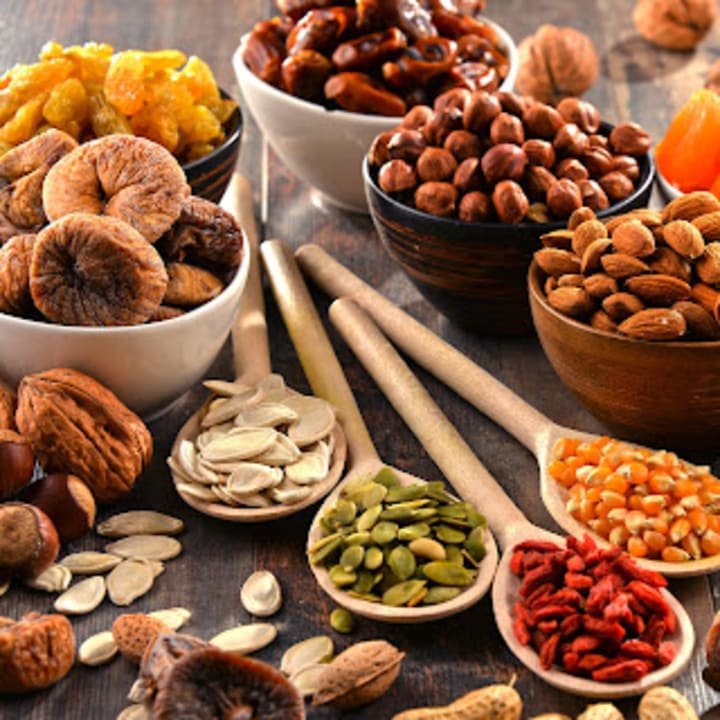
Nuts and seeds are nutritional powerhouses that offer a multitude of benefits when it comes to managing blood sugar levels and blood pressure. These tiny yet mighty snacks are packed with essential nutrients, including healthy fats, fiber, protein, vitamins, and minerals. When it comes to blood sugar regulation, nuts and seeds have a low glycemic index, meaning they cause a gradual rise in blood sugar levels. This slow release of carbohydrates helps prevent spikes in blood sugar, making them suitable for individuals with diabetes or those aiming to maintain stable blood sugar levels. Additionally, the fiber and healthy fats found in nuts and seeds contribute to improved glycemic control and insulin sensitivity.
In terms of blood pressure management, nuts and seeds are excellent sources of potassium and magnesium, two minerals known for their ability to regulate blood pressure. Potassium helps balance the effects of sodium in the body, promoting healthy blood pressure levels. Magnesium, on the other hand, relaxes blood vessels, facilitating better blood flow and reducing pressure on arterial walls. By incorporating a variety of nuts and seeds into your diet, such as almonds, walnuts, flaxseeds, and chia seeds, you can reap the benefits of their nutrient-rich profile and support both blood sugar regulation and blood pressure management.
Tomatoes:
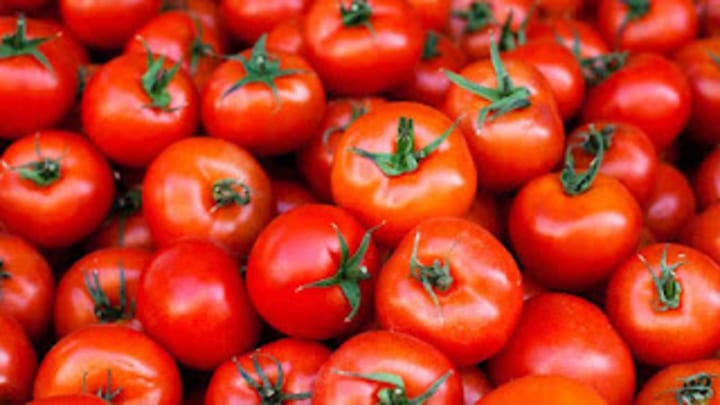
Tomatoes, those vibrant and juicy fruits, offer a range of health benefits, particularly when it comes to regulating blood sugar levels and managing blood pressure. Packed with essential nutrients, including vitamins A, C, and E, as well as potassium and antioxidants, tomatoes play a significant role in promoting overall well-being. In terms of blood sugar regulation, tomatoes have a low glycemic index, meaning they have a minimal impact on blood sugar levels when consumed. This makes them an excellent choice for individuals with diabetes or those looking to maintain stable blood sugar. Furthermore, tomatoes contain compounds like lycopene, which has been linked to lower blood pressure levels. Lycopene works as a potent antioxidant, reducing inflammation and oxidative stress, thus supporting healthy blood vessels and aiding in blood pressure management. By incorporating tomatoes into your diet through salads, sauces, or even enjoying them raw, you can harness their benefits and contribute to better blood sugar control and blood pressure management.
Dark Chocolate:

Dark chocolate, with its rich and indulgent flavor, offers a range of health benefits, particularly when it comes to regulating blood sugar levels and managing blood pressure. Dark chocolate is made from cocoa beans, which are packed with powerful antioxidants called flavonoids. These flavonoids have been shown to improve insulin sensitivity, contributing to better blood sugar control. Consuming dark chocolate in moderation can help prevent sudden spikes in blood sugar levels, making it a favorable choice for individuals with diabetes or those aiming to maintain stable blood sugar.
In terms of blood pressure management, the flavonoids in dark chocolate promote the production of nitric oxide, a compound that helps relax and dilate blood vessels. This dilation improves blood flow and reduces resistance, leading to lower blood pressure levels. Moreover, dark chocolate contains minerals like magnesium and potassium, which play vital roles in maintaining healthy blood pressure.
It is important to note that the benefits of dark chocolate are derived from its high cocoa content, so it is recommended to choose dark chocolate with a cocoa percentage of 70% or higher. However, moderation is key, as dark chocolate is still calorie-dense. Enjoying a small portion of dark chocolate as part of a balanced diet can provide a delightful treat while contributing to better blood sugar regulation and blood pressure management.
Green Tea:

Green tea, renowned for its soothing aroma and distinct flavor, offers numerous health benefits, including its potential to regulate blood sugar levels and manage blood pressure. Packed with powerful antioxidants called catechins, green tea can have a positive impact on these health markers.
When it comes to blood sugar regulation, green tea has been found to enhance insulin sensitivity and improve glucose metabolism. Catechins in green tea help lower fasting blood sugar levels and inhibit the enzymes responsible for breaking down complex carbohydrates. By doing so, green tea can contribute to better glycemic control and reduce the risk of sudden spikes in blood sugar levels.
In terms of blood pressure management, green tea has shown promising effects. The catechins present in green tea have been associated with improved endothelial function, which helps regulate blood pressure. Regular consumption of green tea has been linked to a modest reduction in both systolic and diastolic blood pressure, contributing to a healthier cardiovascular system.
It is important to note that while green tea can be beneficial, individual responses may vary, and it should not be considered a substitute for medical advice or prescribed treatments. Incorporating green tea into a balanced diet and adopting a healthy lifestyle can provide additional support in maintaining optimal blood sugar levels and blood pressure.
Garlic:
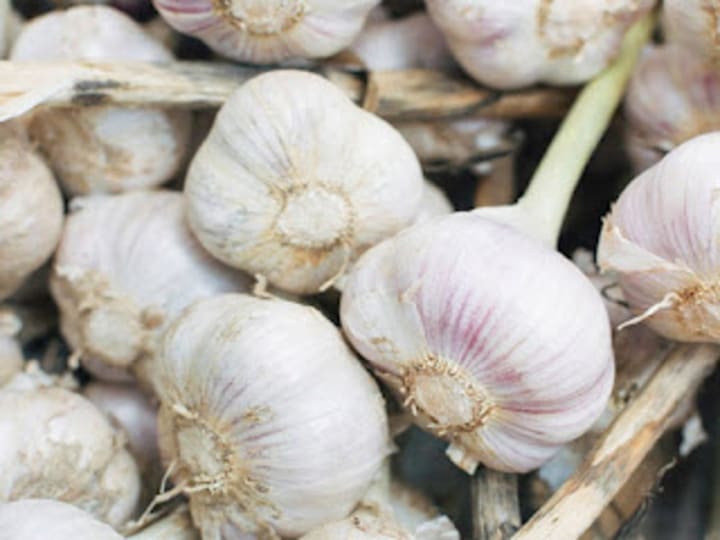
Garlic, known for its pungent aroma and distinct flavor, offers a range of health benefits, including its potential to regulate blood sugar levels and manage blood pressure. This versatile ingredient has been used for centuries for its medicinal properties.
When it comes to blood sugar regulation, garlic has been shown to have a positive impact. It contains compounds that can improve insulin sensitivity and enhance glucose metabolism. These compounds help the body utilize insulin more effectively, leading to better control of blood sugar levels. Incorporating garlic into your diet may be particularly beneficial for individuals with diabetes or those at risk of developing the condition.
In terms of blood pressure management, garlic has been recognized for its ability to promote cardiovascular health. It contains sulfur compounds, such as allicin, which have been associated with vasodilatory effects. These compounds help relax and widen blood vessels, thereby reducing resistance to blood flow and lowering blood pressure. Regular consumption of garlic has been linked to modest decreases in both systolic and diastolic blood pressure.
While garlic can be a helpful addition to a healthy diet, it is important to note that individual responses may vary. It is always advisable to consult with a healthcare professional, especially if you have specific health conditions or are taking medications. Additionally, garlic should not replace prescribed treatments or medical advice. Incorporating garlic into your meals, along with other healthy lifestyle choices, can contribute to better blood sugar control and blood pressure management.
Conclusion:
Incorporating antioxidant-rich foods into your diet can be a valuable strategy in managing diabetes and blood pressure. The seven foods mentioned above, including blueberries, spinach, nuts and seeds, tomatoes, dark chocolate, green tea, and garlic, offer a myriad of health benefits due to their antioxidant and anti-inflammatory properties. However, it is essential to remember that dietary changes should be made in consultation with a healthcare professional to ensure they align with individual needs and conditions. By embracing a well-balanced diet that includes these antioxidant foods, individuals can take proactive steps toward maintaining their health and improving their overall well-being.
About the Creator
Keep reading
More stories from Manoj Kumar and writers in Journal and other communities.
Best Exercises for Healthy Eyesight: Enhancing Vision Naturally
Are you tired of straining your eyes due to excessive screen time? Do you want to maintain optimal eye health and enhance your vision naturally? Look no further! In this comprehensive article, we will explore the best exercises for healthy eyesight. By incorporating these exercises into your daily routine, you can take proactive steps to safeguard your vision and promote long-term eye health.
By Manoj Kumar3 years ago in Longevity



Comments
There are no comments for this story
Be the first to respond and start the conversation.