
Selecting the Right Rubber Tired Gantry Crane Mechanism for Different Load Capacities
Optimizing Performance and Safety by Matching RTG Crane Mechanisms to Load Requirements
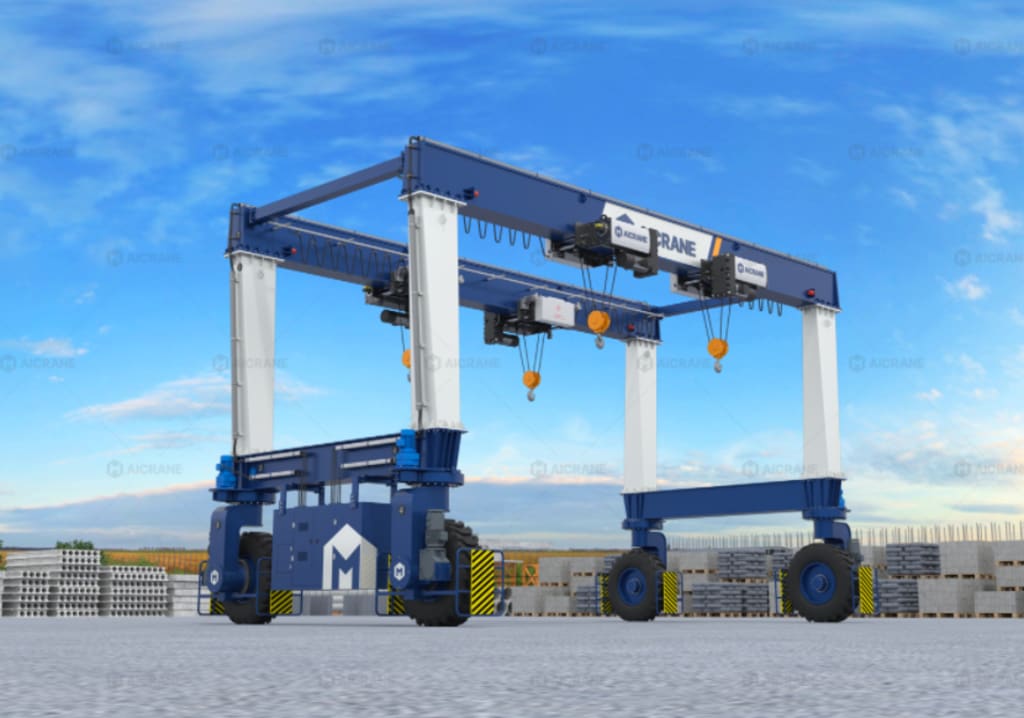
Rubber Tired Gantry (RTG) cranes are among the most critical material handling assets in modern ports, container terminals, and intermodal facilities. Their ability to stack and transfer heavy containers with mobility and flexibility makes them indispensable. However, choosing the right mechanism and structural configuration for an RTG crane — especially with respect to load capacity — is a complex process that directly influences performance, safety, service life, operating cost, and energy efficiency.
In this article, we explore how to select the right RTG crane mechanism for different load capacities — from light‑to‑medium loads (20–30 tons) to heavy‑duty operations (up to 80+ tons). We’ll outline key components of RTG mechanisms, the relationship between load and design choices, real selection criteria, and best practices for matching capacity with performance requirements.
1. Understanding RTG Crane Mechanisms
A Rubber Tired Gantry crane typically consists of:
- Superstructure: Bridge girders, end trucks, and supporting frame.
- Hoisting Mechanism: Wire rope, spreader beam, lift drum, motor, gearbox, and brake system.
- Travel Mechanism: Rubber‑tired wheels, drive motors, steering system.
- Power System: Diesel generator, electric power supply (hybrid, diesel‑electric, or fully electric).
- Operator System & Controls: Cab, automation, anti‑sway systems, and safety devices.
Each of these subsystems must be engineered to match the load handling requirements — which includes not only the maximum load weight but also operational patterns, cycle frequency, and environmental conditions.
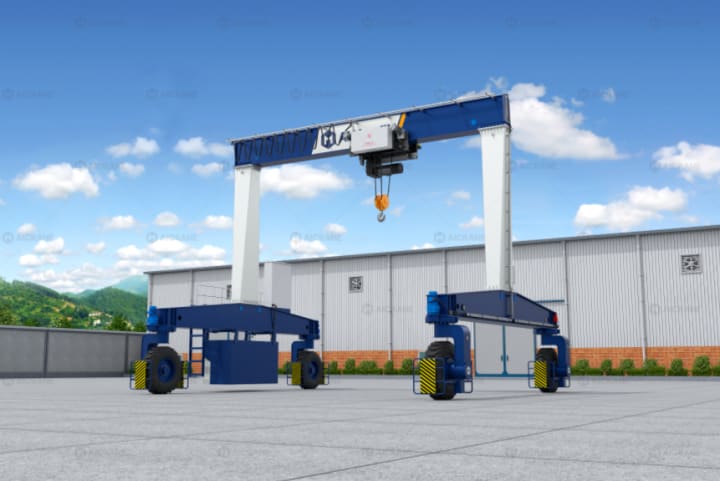
2. Load Capacities and Their Influence on Mechanism Design
2.1 Light‑to‑Medium Capacity (20–30 Tons)
RTGs used for lighter loads — typically 20–30 tons — are common in smaller terminals and facilities that handle standard 20’ and 40’ containers or moderately heavy goods. Here, the key mechanism considerations include:
Hoist and Rope System
Single Motor / Gearbox Arrangement: For lighter capacities, a single hoist motor connected to a gearbox and drum system is generally sufficient.
Wire Rope Diameter: A smaller rope diameter (e.g., 24–32 mm) reduces weight and friction while still providing necessary safety margins.
Brake System: A standard electromagnetic brake with redundancy ensures safe load control without over‑engineering.
Travel and Steering Mechanism
Standard Drive Motors: Moderate power drive motors on rubber tires provide sufficient mobility and positioning precision.
Steering Flexibility: For lighter loads, mechanical steering systems with hydraulic assist are effective.
Control Systems
Basic Anti‑Sway Controls: To avoid load swing during movement.
Standard PLC Controls: Simple programmable logic controller systems are suitable for routine operations.
Suitability: These configurations are optimal for terminals with moderate throughput, cost‑sensitive projects, and operations with predictable load profiles.
2.2 Medium‑to‑Heavy Capacity (30–60 Tons)
As the load capacity rises to 30–60 tons — common in high‑throughput container terminals — the mechanisms become more robust:
Hoist System Enhancements
Dual Hoist Motors: Two motors provide better torque distribution, redundancy, and smoother load handling under heavy weights.
Larger Wire Ropes and Drums: Increased rope diameter (e.g., 32–48 mm) and larger drum capacity handle higher mechanical stresses.
Advanced Brake Systems: Hydraulic brakes with failsafe features enhance safety and control.
Travel and Steering Enhancements
High‑Torque Drive Motors: Powerful drive units support frequent movement and heavy acceleration.
Independent Tire Drive Systems: Each wheel can be motor‑driven for maneuverability and load distribution.
4‑Wheel Steering: Improves precise positioning in tight stacking or congested spaces.
Control and Safety
Intermediate Anti‑Sway Control: More sophisticated control algorithms help manage heavier swings and dynamic loads.
Load Moment Indicators (LMI): Systems that continuously monitor load distribution and alert operators to unsafe conditions.
Suitability: This configuration is ideal for mid‑sized terminals that handle a mix of lighter and heavier containers, often with diverse operational rhythms.
2.3 Heavy‑Duty Capacity (60–80+ Tons)
Heavy‑duty RTGs — designed for demanding terminals handling oversized, heavy‑weight containers, or specialized cargo — require advanced mechanical and control systems:
Robust Hoist Mechanisms
Multiple Motors per Hoist: Typically 3–4 hoist motors, often with variable frequency drives (VFDs) for precise control.
High‑Strength Rope / Fiber Ropes: Depending on application, high‑strength steel wire or synthetic fiber ropes minimize weight without sacrificing safety.
Overload Protection: Real‑time load sensing and dynamic braking systems ensure safe operations even in emergency stops.
Travel & Steering for Heavy Loads
Independent Electric Wheel Drives: Each wheel unit has dedicated electric motors, enabling load‑sharing and responsive steering.
Hydraulic or Electro‑Hydraulic Steering: Provides precise control even on uneven surfaces or gradients.
Reinforced Undercarriage: Heavier capacities require stronger structural members to distribute load to tires without excessive deflection.
Control Systems and Automation
Advanced PLC + CNC Controls: Precision control of hoist speed, acceleration, and deceleration.
Anti‑Collision and GPS/RTK Guidance: For large terminals, automated guidance systems ensure safety and optimized pathing.
Remote/Automated Operation Capabilities: RTG cranes with heavy duty mechanisms often support remote control or even full automation.
Suitability: These configurations are essential for major container hubs, intermodal transfer points, and facilities handling heavy machinery or over‑dimensional cargo.
3. Key Selection Criteria: Matching Mechanism to Capacity
Choosing the right mechanism isn’t just about load capacity figures — it involves a balance of performance needs, environment, footprint, and operational goals.
3.1 Duty Cycle and Utilization
Crane design must reflect how often and how intensely the crane will work. Heavy duty loads with frequent cycles justify larger motors, reinforced components, and better cooling systems.
3.2 Ground Conditions
Rubber‑tired RTGs depend on surface quality. Uneven or weak surfaces demand stronger travel drive units and suspension systems to maintain stability under load.
3.3 Operational Speed
Higher lift and travel speed demands influence gear ratios, motor sizing, and control systems. Automated terminals may require faster, more precise mechanisms.
3.4 Energy Source
Diesel‑Electric Hybrid: Often suitable for medium duty, offering reduced emissions.
Fully Electric: Best for heavy duty, high efficiency, and eco‑friendly operations (especially where shore power is available).
3.5 Safety and Compliance
Heavy loads require higher safety redundancies — dual braking systems, structural health monitoring, overload sensors, and anti‑collision systems.
3.6 Maintenance and Lifecycle Costs
Greater capacity doesn’t always mean better. A crane must be maintainable — so component accessibility, modular parts, and diagnostics matter.
4. Engineering Considerations
Structural Strength
RTG frames must resist bending moments, torsion, and dynamic loads. Finite Element Analysis (FEA) is often used in design stages to ensure the frame and beams are sized correctly.
Wheel Load Distribution
Heavier loads increase the pressure exerted on the ground. Engineers must design the crane to distribute load evenly across tires to prevent rutting or ground failure.
Vibration and Shock Absorption
High capacities and dynamic operations cause stress. Shock absorbers, vibration dampers, and controlled acceleration/deceleration curves improve longevity.
5. Case Scenarios: Decision Guide
Selecting the right RTG crane mechanism should be based on the specific application scenario and load requirements.
For small terminals or storage facilities that primarily handle empty or standard 20-foot containers, with load capacities in the 20–30 ton range, a configuration with a single hoist motor, standard steering system, and basic control setup is suitable. This setup is simple, cost-effective, easy to maintain, and provides sufficient efficiency for lighter operations.
In medium-sized terminals or multi-purpose container yards, where loads typically range from 30–60 tons and may include a mix of standard and heavier containers, a more robust configuration is recommended. This includes a dual-motor hoist system, high-torque travel drives, and intermediate automation controls. These features offer smoother hoisting and handling performance, improve operational safety, and provide the flexibility needed for more frequent or varied operations.
For large ports or high-frequency heavy-load operations, handling loads of 60–80+ tons, advanced mechanisms are essential. Multi-motor hoists, independent electric wheel drives, reinforced structural frames, and sophisticated automation and control systems ensure safe, precise, and efficient handling of oversized containers or heavy-duty cargo. These container cranes are designed for continuous operation in challenging environments and provide maximum reliability, safety, and performance.
By considering these real-world scenarios, operators and engineers can better align the crane mechanism with the facility’s operational demands, ensuring optimal efficiency, safety, and long-term performance.
Conclusion
Selecting the right RTG crane mechanism for different load capacities is a multifaceted engineering decision that balances mechanical design, operational goals, safety, maintenance, and cost. From light‑to‑medium duties, where simplicity and cost‑effectiveness dominate, to heavy‑duty operations, where advanced controls and reinforced mechanisms are essential, each application demands a tailored approach.
A well‑selected mechanism:
- Ensures reliable performance
- Increases uptime and throughput
- Reduces wear and operating expense
- Enhances safety and operator confidence
Understanding your capacity requirements, operational environment, and long‑term goals is the first step toward an optimized RTG crane solution. Whether you're planning asset upgrades, terminal expansion, or new installations, aligning the crane mechanism with load demands will pay dividends in efficiency, safety, and return on investment.
About the Creator
Aicrane01
Welcome to the Aicrane Blog, your practical guide to lifting solutions. Discover articles covering overhead cranes, gantry cranes, winches, steel structures, boat lifts, and more.
Website: https://steelmillcranes.com/
The goals I did not achieve
Every writing goal I made for the year is a wash. It has been this way for a while, but I think it's important to be open about my failures and the reality of how life can get in the way. This is especially true considering the several times I have posted on Vocal about my writing goals, how I was changing my approach, and where I was hoping to be for the upcoming year. I will probably do that again in a couple months, but for now, it is time to acknowledge where I am today.
By Kay Husnick24 days ago in Journal
Average Overhead Expenses for Mental Health Practices
Introduction Overhead expenses are the ongoing operational costs required to keep a mental health practice running. Understanding these expenses is essential for budgeting, pricing services, and maintaining financial sustainability. Unlike direct clinical costs—such as clinician time spent with clients—overhead includes rent, utilities, billing, administrative staff, technology, insurance, and more. Mental health practices vary widely in size and structure, but certain core overhead categories are common across solo practices, group practices, and larger clinics. This article breaks down average overhead categories to help providers plan accurately and improve financial decision-making.
By Abdul Mueed7 days ago in Journal
So You Decided To Become a Nurse Practitioner:
So you decided to become an "Advanced Practice" nurse. Congratulations!... is what I would say if this was a good idea. Grad school? In this economy? What were you thinking? Likely it was something along the lines of either 1) “I've seen these other chucklefucks do it— Why can't I?” or even 2) “I've got a nice career, I should shake it up. I miss feeling like I have no clue what I'm doing.”
By Sandor Szabo3 days ago in Fiction




Comments
There are no comments for this story
Be the first to respond and start the conversation.