
Scalp Massage: Benefits, Techniques, and Tools for Relaxation and Hair Health
Discover the transformative benefits of scalp massage for hair growth and stress relief.

Introduction
Scalp massage is a time-honored practice celebrated for its ability to relax the mind and promote healthier hair. By applying gentle pressure and rhythmic movements to the scalp, this technique stimulates blood circulation, enhances hair follicle health, and provides a soothing escape from daily stressors. Beyond relaxation, scalp massage support hair growth and improve scalp condition. Whether you prefer a self-massage at home or the expertise of a professional, incorporating scalp massage into your routine can deliver tangible benefits. This guide explores the science-backed advantages of scalp massage, offers step-by-step techniques, and reviews the best tools to enhance your experience. Let’s delve into the world of scalp massage and uncover how it can transform both your hair care routine and overall well-being.
What Is a Scalp Massage?
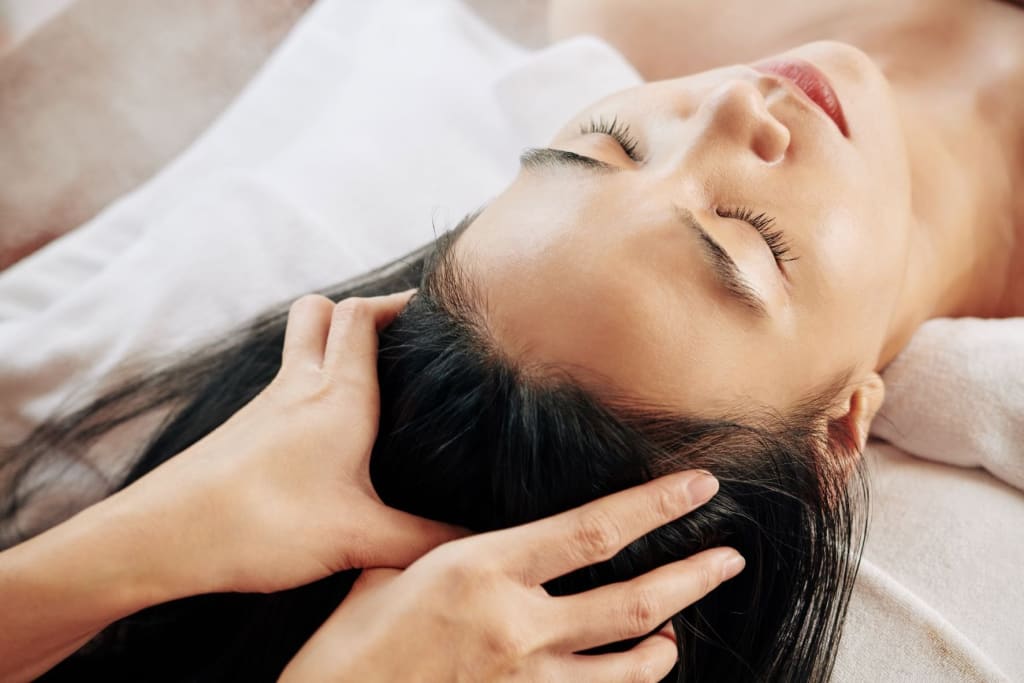
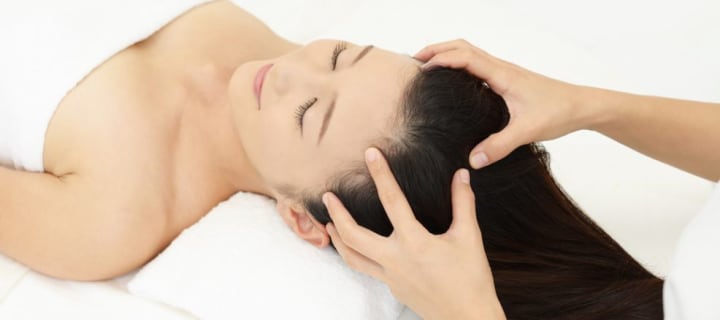
A scalp massage is a therapeutic practice that involves the application of gentle pressure and rhythmic movements across the scalp. Traditionally used to alleviate tension and enhance relaxation, it has evolved into a multifaceted technique with benefits that extend to hair health. By stimulating blood flow to the scalp, a massage delivers essential nutrients and oxygen to hair follicles, supporting stronger and healthier hair growth.
Scalp massages can be performed manually using fingertips or with the help of specialized tools like silicone brushes or electric massagers. Manual techniques involve circular motions and light pressure, focusing on areas where tension often accumulates. Tools, on the other hand, are designed to mimic these movements, often providing added convenience and consistency.
Beyond its physical benefits, a scalp massage also nurtures mental well-being by reducing stress and promoting relaxation. Whether integrated into a professional spa treatment or practiced at home, it’s an accessible and effective way to support both scalp and hair health while offering a moment of tranquility in a busy day.
Benefits of Scalp Massage
Scalp massage offers a range of benefits that go beyond mere relaxation. Here are some of the most compelling advantages supported by research and expert opinions:
1. Promotes Hair Growth
Regular scalp massage stimulates blood circulation, ensuring hair follicles receive an adequate supply of nutrients and oxygen. This improved microcirculation is vital for promoting hair growth and maintaining follicle health.
2. Relieves Stress and Tension
The gentle, repetitive motions of a scalp massage help reduce cortisol levels, a hormone associated with stress. This makes it an excellent tool for relaxation and mental rejuvenation, especially after a long day.
3. Enhances Scalp Health
Scalp massage can help remove dead skin cells, excess oil, and product buildup. This exfoliation process creates a healthier environment for hair growth and reduces the risk of issues like dandruff and irritation.
4. Supports Relaxation
Incorporating essential oils like lavender or peppermint during a scalp massage can amplify its calming effects. These oils provide added benefits, such as soothing the scalp and promoting a sense of overall well-being.
5. May Reduce Headaches
Massaging the scalp can alleviate tension headaches by relaxing the muscles in the head and neck. This makes it a natural remedy for mild headache relief.
By integrating scalp massage into your routine, you’re investing in a practice that nurtures both your physical and mental health, paving the way for healthier hair and a stress-free mind.
How to Perform a Scalp Massage
Performing a scalp massage is a simple yet effective way to enhance your hair care routine and promote relaxation. Here’s a step-by-step guide to help you get started:
Step 1: Prepare Your Tools and Environment
Decide whether you’ll use your hands, a silicone scalp brush, or an electric massager. Choose a comfortable, quiet space to relax during the massage. If desired, have essential oils like peppermint, lavender, or tea tree on hand for added benefits.
Step 2: Start with Clean Hands and Scalp
Ensure your scalp is free of excess product buildup and your hands are clean. This helps prevent irritation and maximizes the massage’s effectiveness.
Step 3: Begin with Gentle Pressure
Using your fingertips, start at the base of your skull and work your way up to the crown. Apply gentle, circular motions to stimulate blood flow. If you’re using a tool, follow the same pattern, letting the device glide smoothly over your scalp.
Step 4: Focus on Problem Areas
Spend extra time on areas where tension tends to accumulate, such as the temples and the nape of the neck. For hair growth, concentrate on areas with thinning hair to encourage follicle stimulation.
Step 5: Incorporate Essential Oils
Add a few drops of essential oil to your fingertips or scalp brush. Lavender oil can promote relaxation, while peppermint oil invigorates the scalp and may support hair growth. Massage the oil evenly into the scalp for added nourishment.
Step 6: Adjust Pressure and Duration
Customize the intensity and duration based on your comfort level. A typical scalp massage lasts 5-10 minutes but can be extended for deeper relaxation.
Regular practice of these techniques can significantly improve scalp health and hair quality, while also serving as a soothing ritual in your daily routine.
Best Tools for Scalp Massage
Using the right tools can enhance your scalp massage experience, making it more effective and enjoyable. Here are some of the best tools to consider:
1. Silicone Scalp Brushes
Silicone brushes are gentle yet effective for massaging the scalp. Their flexible bristles help exfoliate dead skin cells, improve blood circulation, and evenly distribute hair care products. These brushes are ideal for use during shampooing or as part of a dry massage routine.
2. Electric Scalp Massagers
Electric massagers mimic the movements of a professional massage, offering convenience and consistent pressure. Many models come with adjustable settings, allowing you to customize the intensity. These tools are especially helpful for those seeking a hands-free approach to relaxation.
3. Wooden Scalp Massagers
Wooden massagers often feature rounded tips designed to stimulate the scalp gently. They’re a sustainable and natural option that’s easy to use and suitable for all hair types.
4. Essential Oil Applicators
Some tools combine essential oil application with scalp massage. These applicators are designed to distribute oils evenly while massaging the scalp, ensuring both relaxation and nourishment.
When selecting a tool, consider your specific needs and preferences. Whether you prefer the simplicity of a manual brush or the sophistication of an electric device, investing in the right tool can elevate your scalp massage routine, enhancing its benefits for both your hair and overall well-being.
FAQs About Scalp Massage
Q1: How often should I perform a scalp massage?
You can perform a scalp massage 2-3 times a week for optimal results. For those looking to promote hair growth or reduce stress, daily scalp massages with gentle pressure are also beneficial.
Q2: Can scalp massage help with hair loss?
While scalp massage cannot cure hair loss caused by medical conditions, it can stimulate blood flow to the hair follicles and support healthier hair growth in cases of thinning hair.
Q3: Is it better to massage the scalp with or without oil?
Both methods have their benefits. Massaging without oil is convenient and effective for quick relaxation while adding essential oils can nourish the scalp, promote relaxation, and target specific hair concerns.
Q4: How long should a typical scalp massage last?
A scalp massage typically lasts between 5-10 minutes. However, longer sessions of 15-20 minutes can provide deeper relaxation and more pronounced benefits.
Q5: Are there any risks to scalp massage?
Scalp massage is generally safe. However, avoid vigorous pressure if you have sensitive skin, open wounds, or scalp conditions such as psoriasis. Always consult with a dermatologist if you are unsure.
By addressing these common questions, you can gain a better understanding of how to integrate scalp massage into your routine for maximum benefit.
About the Creator
FrederickJones
Hi, I’m Frederick M. Jones, a blogger who loves diving into different topics and sharing my thoughts with the world. I enjoy turning everyday experiences into stories that resonate with my readers.
Keep reading
More stories from FrederickJones and writers in Journal and other communities.
Mastering Maritime Port Management: A Comprehensive Guide
In today's globalized world, the smooth functioning of maritime ports is crucial for international trade and economic growth. Port management plays a pivotal role in ensuring efficient operations, minimizing delays, and maximizing revenue. However, the complexities of modern port management require a strategic approach to address various challenges and capitalize on emerging opportunities.
By FrederickJonesabout a year ago in Journal
World’s Largest Sovereign Wealth Fund Made $247 Billion in 2025, Driven by Tech and Banking Rally
The world’s largest sovereign wealth fund delivered a blockbuster performance in 2025, posting profits of $247 billion as a powerful rally in technology and banking stocks lifted global equity markets. The record gain underscored the growing influence of large state-backed investors in global finance and highlighted how a concentrated rebound in key sectors can reshape national wealth outcomes.
By Salaar Jamaliabout 9 hours ago in Journal


Comments
There are no comments for this story
Be the first to respond and start the conversation.