
Rupee Crashes Against British Pound and Euro, Barely Survives Against US Dollar
Currency pressures intensify as global strength of European units and domestic economic challenges weigh on the rupee

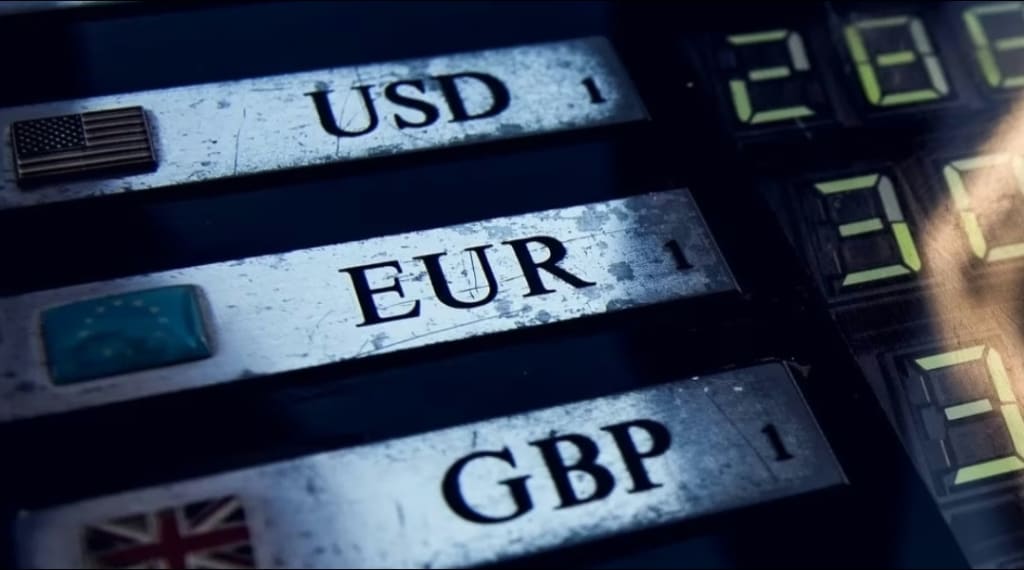
Currency pressure deepens as external imbalances, inflation, and market uncertainty weigh on Pakistan’s economy
The Pakistani rupee has come under renewed pressure in the foreign exchange market, suffering sharp losses against the British pound and the euro, while showing only marginal resilience against the US dollar. The latest slide highlights ongoing vulnerabilities in the country’s economy, where external financing needs, inflationary pressures, and fragile investor confidence continue to shape currency movements.
A Widening Gap Against Major Currencies
Over recent trading sessions, the rupee has weakened notably against the pound sterling and the euro, reflecting both global currency dynamics and domestic economic challenges. The pound and euro have strengthened internationally amid shifting interest rate expectations and improved economic signals in parts of Europe and the United Kingdom. Against this backdrop, the rupee’s depreciation has been more pronounced, pushing up the cost of imports and foreign obligations denominated in these currencies.
Market participants note that the rupee’s losses against the pound and euro have been sharper than against the US dollar, largely because the dollar itself has shown mixed performance globally. Even so, the rupee’s position against the dollar remains fragile, with traders describing its stability as “tenuous” rather than secure.
Dollar Stability Masks Underlying Weakness
While the rupee has not seen a dramatic crash against the US dollar in recent days, this relative calm should not be mistaken for strength. Analysts argue that administrative controls, improved inflows from remittances, and expectations of external financial support have helped slow the pace of depreciation against the dollar.
However, underlying pressures remain. Pakistan’s import bill, external debt repayments, and reliance on dollar-denominated trade mean that even small fluctuations can have outsized effects on prices and reserves. The rupee’s ability to “barely survive” against the dollar reflects a balancing act rather than a fundamental turnaround.
Key Factors Behind the Rupee’s Slide
Several interconnected factors are contributing to the rupee’s weakness:
External account stress: Although the current account deficit has shown signs of improvement at times, it remains vulnerable to changes in global oil prices and import demand. Any increase in energy prices directly impacts dollar outflows, adding pressure on the currency.
Inflation and interest rates: Persistently high inflation has eroded purchasing power and complicated monetary policy. While higher interest rates can support a currency by attracting capital, they also slow economic activity and increase debt servicing costs, creating a difficult trade-off for policymakers.
Investor sentiment: Political uncertainty and concerns over policy consistency continue to weigh on investor confidence. Foreign portfolio investment remains cautious, limiting dollar inflows that could otherwise support the rupee.
Global currency movements: The strength of the pound and euro reflects broader global trends, including expectations about monetary policy in advanced economies. The rupee, like many emerging market currencies, is particularly sensitive to these shifts.
Impact on the Economy and Consumers
The rupee’s depreciation against European currencies has direct implications for trade and consumers. Imports from the UK and eurozone, including machinery, pharmaceuticals, and certain food items, are becoming more expensive. This adds to inflationary pressures at a time when households are already struggling with high living costs.
For students studying abroad, travelers, and businesses with euro- or pound-denominated expenses, the weaker rupee translates into higher costs. On the other hand, exporters earning in these currencies may see some benefit in rupee terms, though this advantage can be offset by higher input costs and energy prices.
Role of Remittances and External Support
One of the key buffers for the rupee has been remittances from overseas Pakistanis, which provide a steady source of foreign exchange. Any slowdown in these inflows could quickly destabilize the market. Similarly, expectations of support from international financial institutions and friendly countries play a crucial role in shaping market sentiment.
Traders point out that even rumors or delays related to external financing can trigger volatility, while positive signals tend to offer only temporary relief unless backed by concrete inflows.
Policy Challenges Ahead
For policymakers, stabilizing the rupee without stifling economic growth remains a major challenge. Structural reforms aimed at boosting exports, widening the tax base, and reducing reliance on imports are often cited as long-term solutions. In the short term, however, the focus remains on managing liquidity, ensuring sufficient foreign exchange reserves, and maintaining confidence in the financial system.
Economists warn that relying too heavily on administrative measures to control the exchange rate can distort the market and delay necessary adjustments. A market-driven but well-managed approach, they argue, is essential for sustainable stability.
Outlook: Volatility Likely to Persist
Looking ahead, analysts expect continued volatility in the rupee’s performance, particularly against the pound and euro. Global economic uncertainty, shifting interest rate expectations, and domestic reform progress will all play a role in determining the currency’s direction.
While the rupee’s ability to hold its ground against the US dollar offers some short-term reassurance, it does not eliminate deeper structural concerns. Without sustained improvements in exports, investment, and fiscal discipline, currency pressures are likely to resurface.
Conclusion
The rupee’s sharp decline against the British pound and euro, combined with its fragile stance against the US dollar, underscores the challenges facing Pakistan’s economy. Exchange rate movements are both a symptom and a signal of broader economic health. As policymakers navigate a complex mix of domestic constraints and global headwinds, the path to currency stability will depend on consistent reforms, credible policies, and renewed confidence from investors and the public alike.onheupe
About the Creator
Keep reading
More stories from Salaar Jamali and writers in Journal and other communities.
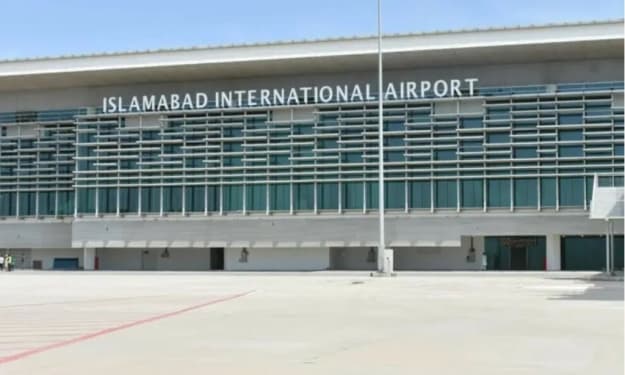
Privatisation Commission Rejects Reports of Islamabad Airport Lease Cancellation
Clarifying misinformation as Pakistan pushes ahead with its airport privatisation agenda Reports suggesting that the government has cancelled plans to lease Islamabad International Airport have been firmly rejected by the Privatisation Commission, which says no such decision has been taken and that the privatisation process remains on track. The clarification comes amid growing public debate and speculation around the future of Pakistan’s major airports and the government’s broader strategy to attract private investment into key infrastructure.
By Salaar Jamaliabout 22 hours ago in Journal
The CEO of Everything
They say "jack of all trades, master of none," but they forgot to mention the part where the jack of all trades is also the camera woman, the makeup artist, and the person currently yelling at a tangled Wii microphone cable in a her own bathroom while recording herself singing and trying to make it look realistic and professional. (As professional as you can make it with nothing but a cell phone camera and a mic that doesn't work)
By Sara Wilson7 days ago in Humans



Comments
There are no comments for this story
Be the first to respond and start the conversation.