
Privatisation Commission Rejects Reports of Islamabad Airport Lease Cancellation
Commission says no formal decision taken, privatisation process remains on track despite speculation

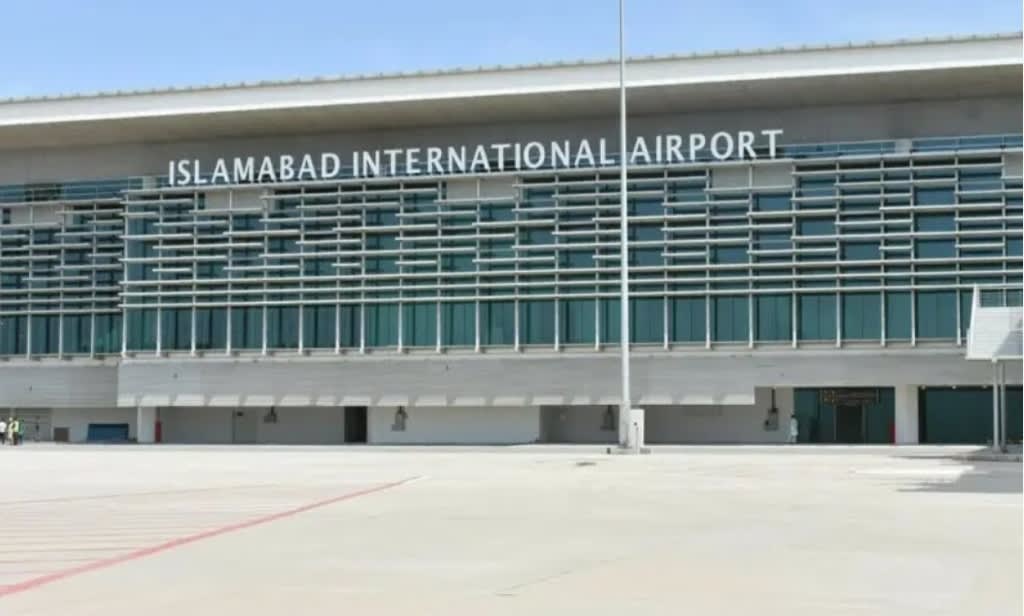
Clarifying misinformation as Pakistan pushes ahead with its airport privatisation agenda
Reports suggesting that the government has cancelled plans to lease Islamabad International Airport have been firmly rejected by the Privatisation Commission, which says no such decision has been taken and that the privatisation process remains on track. The clarification comes amid growing public debate and speculation around the future of Pakistan’s major airports and the government’s broader strategy to attract private investment into key infrastructure.
Background to the Airport Privatisation Plan
Pakistan’s government has, over the past few years, explored the option of leasing major airports to private operators as part of a wider economic reform programme. The plan aims to reduce the financial burden on the state, improve service quality, and bring in much-needed foreign and domestic investment. Islamabad International Airport, along with airports in Karachi and Lahore, has been identified as a prime candidate for such public-private partnership models due to its strategic importance and passenger volume.
However, airport privatisation has remained a sensitive subject. Trade unions, aviation experts, and political commentators have frequently raised concerns about transparency, national security, and the potential impact on jobs. Against this backdrop, any report hinting at a cancellation or policy reversal tends to spark intense discussion.
What the Privatisation Commission Said
In its official response, the Privatisation Commission dismissed recent media reports claiming that the lease of Islamabad International Airport had been cancelled. According to the commission, these reports are “factually incorrect” and based on speculation rather than official decisions. The commission stressed that no formal notification or directive has been issued to halt or reverse the leasing plan.
Officials clarified that the process is still at a preparatory stage, involving feasibility studies, stakeholder consultations, and legal and financial assessments. Delays or reviews at this stage, they noted, should not be misinterpreted as cancellations. Instead, such steps are routine in large-scale infrastructure transactions, especially those involving long-term leases and international investors.
Why the Confusion Arose
The confusion appears to have stemmed from internal discussions within government circles and reports of meetings where concerns about the pace and structure of privatisation were raised. In Pakistan’s policy environment, such discussions are often leaked or selectively reported, leading to headlines that suggest abrupt policy shifts.
Additionally, changes in political leadership and economic priorities have previously resulted in delays or revisions to privatisation plans, making observers quick to assume that the Islamabad airport lease had met a similar fate. The Privatisation Commission’s statement aims to draw a clear line between internal review processes and actual policy reversals.
Economic Context and Government Priorities
Pakistan is currently under significant economic pressure, grappling with fiscal deficits, debt obligations, and the need to stimulate growth. Privatisation and public-private partnerships are seen by policymakers as tools to ease these pressures by unlocking value from state-owned assets.
Airports, in particular, are viewed as commercially viable assets with strong revenue potential from passenger traffic, cargo operations, retail concessions, and real estate development. By leasing rather than selling airports outright, the government hopes to retain ownership while benefiting from private-sector efficiency and investment.
The Privatisation Commission reiterated that this strategy remains unchanged. Officials argue that well-structured leases can improve airport management, enhance passenger experience, and align Pakistan’s aviation infrastructure with international standards.
Stakeholder Concerns and Public Perception
Despite the clarification, skepticism remains among some stakeholders. Aviation unions have repeatedly voiced fears that privatisation could lead to layoffs or reduced job security. Others worry about higher fees for airlines and passengers if profit-driven operators take over airport management.
Security is another recurring concern, particularly for Islamabad International Airport, which serves as the country’s primary gateway for diplomats, foreign delegations, and high-level officials. The government has sought to address these fears by emphasizing that security functions will remain under state control, regardless of any leasing arrangement.
Public perception also plays a role. In the past, controversial privatisation deals have left a legacy of mistrust, making clear communication essential. Analysts note that the Privatisation Commission’s swift denial of cancellation reports reflects an awareness of how damaging misinformation can be to investor confidence.
What Happens Next
According to officials, the next steps involve finalizing the transaction structure, appointing advisors, and inviting expressions of interest from potential investors. These stages can take months and are subject to regulatory approvals and cabinet oversight.
The commission has urged media outlets and commentators to rely on official sources and verified information, warning that speculative reporting can undermine ongoing reforms. It has also indicated that greater transparency will be maintained as the process moves forward, including public disclosure of key decisions.
Conclusion
The Privatisation Commission’s rejection of reports about the cancellation of the Islamabad airport lease underscores the importance of clarity in economic policymaking. While debates over privatisation are likely to continue, the government insists that no reversal has occurred and that plans to lease major airports remain intact.
As Pakistan navigates a challenging economic landscape, the outcome of its airport privatisation efforts will be closely watched by investors, industry stakeholders, and the public alike. For now, at least, Islamabad International Airport remains firmly on the government’s privatisation roadmap, despite rumors to the contrary.
About the Creator
Keep reading
More stories from Salaar Jamali and writers in Journal and other communities.
5 Killed, 10 Injured in Suicide Blast at Peace Committee Member’s Residence in KP’s DI Khan
At least five people were killed and 10 others injured in a suicide blast that rocked the residence of a peace committee leader in Dera Ismail Khan (DI Khan), Khyber Pakhtunkhwa (KP) on Friday night, officials confirmed, marking another grim episode in the region’s ongoing struggle with militancy and targeted violence.
By Salaar Jamaliabout 22 hours ago in Journal
The Blue Ridge Stalker
Tom had left the Ford down the way, its spark plugs finally exhausted and no mechanics for a dozen miles back through the foothills to Strossburg. No matter, he had worn his boots—almost as if he planned for this to happen. The puzzle he sought to solve emanated from the woods clinging to the slopes above; the valley behind held no mysteries.
By Stephen A. Roddewig3 days ago in Fiction




Comments
There are no comments for this story
Be the first to respond and start the conversation.