
Rumors: Speculation suggests the upcoming iPhone Fold might be eSIM-only.
Rumors Say the iPhone Fold Might Go eSIM-Only

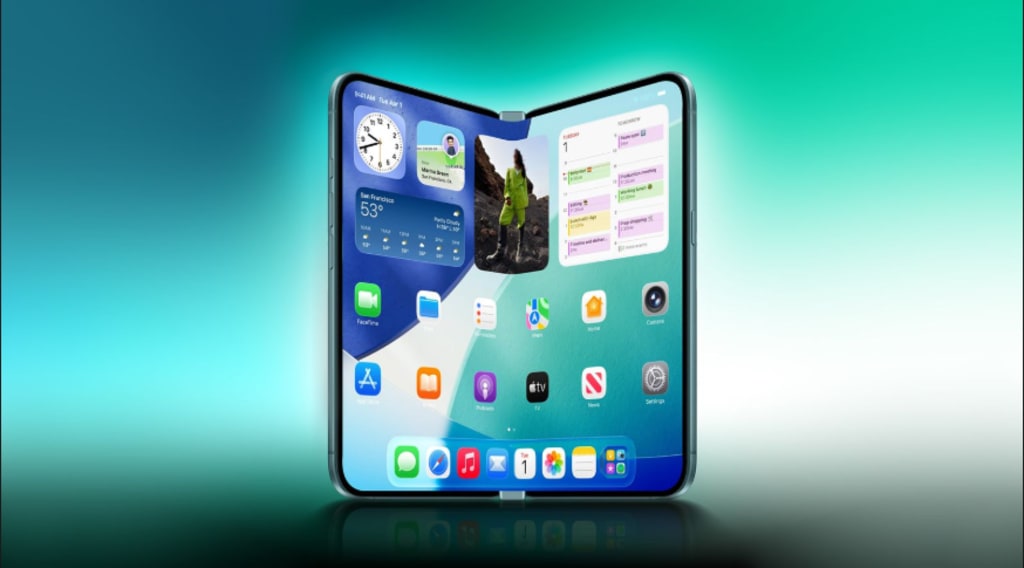
There is growing talk in the tech world that Apple’s first foldable iPhone could arrive without a physical SIM slot, using only eSIM, and the idea is gaining attention because it suggests Apple might push another big change in how we connect our phones to networks.
An eSIM is a digital version of the small plastic card we usually insert in the phone; instead of sliding in a tiny tray, your carrier activates your number through software, so no tools, no slots, and no worry about losing a tiny piece of plastic, which sounds neat but also raises questions for people who still like having something they can hold in their hand.
Apple already tried this approach in the United States, where its iPhone 14 line launched with no SIM tray at all, so this rumor does not feel unrealistic, yet hearing it tied to a foldable phone makes people pay extra attention because foldable phones are already seen as futuristic, and removing the SIM slot adds another layer of newness.
Apple is known for pushing change in bold ways; it removed headphone jacks when people said it was too early, it stopped including chargers in boxes when many complained, and in both cases people adjusted, so the company clearly believes that consumers can adapt if the change delivers benefits such as cleaner design, more space inside the device, or better durability.
A foldable phone already faces engineering challenges like hinge design, screen flexibility, and overall structural strength, so removing another opening from the body could help Apple reinforce the device, protect it from dust and moisture, and give room for a bigger battery or other internal components.
Not everyone loves this rumor; some people are excited because they like fewer moving parts, easy switching between plans, and better water protection, while others worry about travel issues, because buying a local SIM card while landing in another country is convenient, and they fear carriers in some regions do not support eSIM well enough yet.
It is easy to see both sides; people who enjoy convenience and modern tech are ready for digital SIMs, but others say Apple might be moving too fast or ignoring places where eSIM support is weak or unreliable, especially in developing regions or remote areas where physical SIM cards are still the simplest option.
There is also a question about customer freedom; with a physical SIM, users can quickly swap phones or loan a device to someone, but with eSIM, that process depends on carrier systems, activation servers, and sometimes store visits, which can feel slower or less flexible for certain users.
This rumor is interesting not only because it hints at a technical detail but also because it shows Apple might use its foldable device as a pilot project to test how the market reacts to a future where all phones are eSIM-only, just like it slowly introduced wireless charging, face unlock, and other changes through selective models before spreading them across the lineup.
Supporters say an eSIM-only foldable could improve waterproofing, boost security, and simplify manufacturing worldwide because Apple would not need different hardware versions per region, reducing production complexity and making global release easier.
Critics argue that Apple should not remove the physical SIM until carriers everywhere provide smooth, reliable eSIM experiences, and some believe Apple should include both options like other manufacturers do in some markets, giving flexibility while adoption grows naturally.
Of course, we do not know whether this rumor is true; Apple keeps its future devices secret, and many leaks turn out wrong or half-true, but this one feels believable because it aligns with Apple’s past behavior and its push toward digital-first hardware.
If the rumor becomes reality, it will say something about where technology is heading; we are moving toward more wireless activation, fewer openings on devices, and a world where cloud systems replace tiny removable parts, and Apple seems eager to lead that shift even if people complain at first.
The idea of an iPhone Fold already makes people excited because they imagine a phone that opens into a tablet-like screen, folds smoothly, and offers new ways to use apps and multitask, and adding eSIM-only connectivity could make the device feel even more futuristic, whether people like it or not.
In the end, this rumor highlights how one company can start a debate about the future; some see convenience and cleaner design, others fear loss of control or slower adoption by carriers, but everyone pays attention because when Apple pushes a change, the industry often follows.
So for now, people watch, discuss, speculate, and picture a foldable iPhone where network access happens through software instead of a tiny card, and whether that excites or frustrates you, it shows how rapidly smartphones continue to evolve, sometimes faster than we expect or feel ready for.
Whether true or not, the rumor reminds us that Apple rarely stands still, and if an iPhone Fold arrives without a SIM slot, it will not just be a new device — it will be a message about where mobile technology is heading next, and how quickly companies expect us to adapt.
About the Creator
Shakil Sorkar
Welcome to my Vocal Media journal💖
If my content inspires, educates, or helps you in any way —
💖 Please consider leaving a tip to support my writing.
Every tip motivates me to keep researching, writing, sharing, valuable insights with you.
Keep reading
More stories from Shakil Sorkar and writers in Journal and other communities.
Apple Watch: Sleep apnea detection is rolling out for compatible watches in Australia.
The Apple Watch now has a feature that watches for possible signs of sleep apnea, and this update is rolling out to compatible watches in Australia, giving users a new tool to help understand their sleep health. This is important because many people suffer from sleep apnea without knowing it, and early awareness can push them to get help that improves their rest, energy, and long-term health.
By Shakil Sorkar3 months ago in Journal
How to Manage Diabetes with Ayurvedic Wisdom
While modern medicine manages the symptoms of diabetes, Ayurveda treats the whole system. Rather than viewing you as a list of charts, it sees a living ecosystem. Many Ayurveda Hospitals in Sri Lanka utilise this ancient text, which refers to this condition as Prameha, derived from a sluggish Agni, or metabolic fire. Balancing blood sugar naturally is about more than carb counting; it’s about reigniting that inner fire. Here is an evidence-based way to integrate this ancient wisdom into your daily life.
By Jeewanthi Armstrong6 days ago in Journal



Comments
There are no comments for this story
Be the first to respond and start the conversation.