
Apple Watch: Sleep apnea detection is rolling out for compatible watches in Australia.
People in Australia seem curious and hopeful. Some look forward to learning more about their sleep.

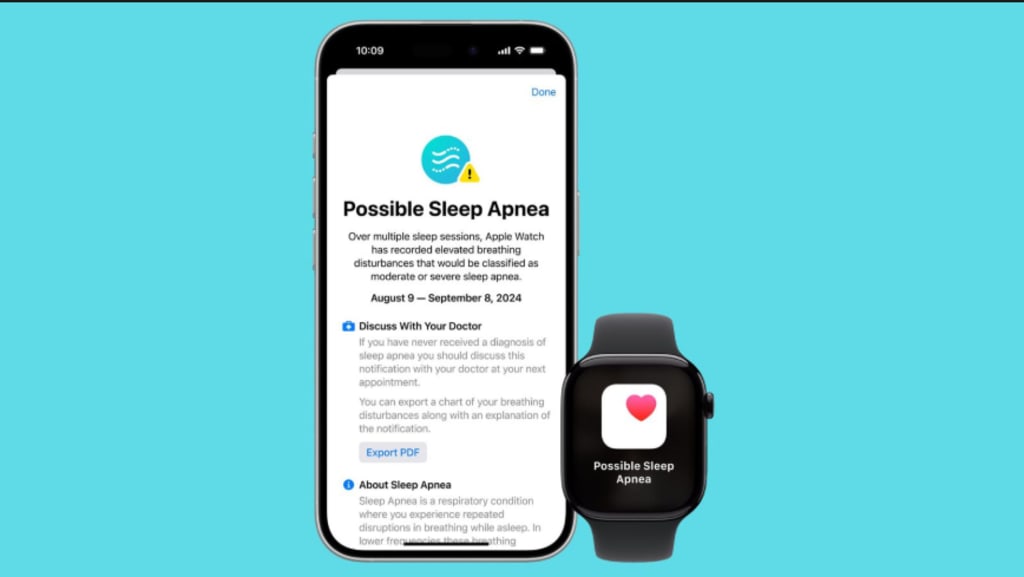
The Apple Watch now has a feature that watches for possible signs of sleep apnea, and this update is rolling out to compatible watches in Australia, giving users a new tool to help understand their sleep health. This is important because many people suffer from sleep apnea without knowing it, and early awareness can push them to get help that improves their rest, energy, and long-term health.
Sleep apnea is a condition that causes breathing to stop and start during sleep, leaving people tired even after a full night in bed, and sometimes they snore loudly without knowing it. Doctors can diagnose it with sleep tests, but many people never get tested because they do not realise anything is wrong. Apple wants its watch to give users a gentle clue. The watch does not diagnose illness, but it shows patterns that might deserve attention.
The new tool works while you sleep. When you wear your Apple Watch at night and enable sleep tracking, the sensors read your breathing rate and movement over many hours. The software looks for irregular breathing or disrupted patterns. If the watch spots possible signs of sleep apnea, it sends a notification to the Health app on your iPhone. You can then read a simple report that suggests you may want to talk to a doctor for real testing.
It feels easy and comfortable to use. You do not need special setup beyond turning on sleep tracking and wearing the watch to bed. The process happens in the background, letting you rest while technology does the watching. Apple aims to make health insight effortless, and this update fits that goal well.
Why does this matter? Because untreated sleep apnea affects more than just sleep. People with apnea may struggle with focus, memory, energy, and mood. Some wake up feeling exhausted even after eight hours in bed. Over time, the condition can raise the risk of heart problems. The trouble is that people often blame work stress, aging, or busy life instead of recognising a medical problem. This feature offers an early hint that encourages users to investigate further.
Doctors welcome tools that raise awareness. Many emphasise that the watch does not replace professional tests, but they see value in the push toward early discussion and treatment. More people might seek help simply because their watch suggested looking into their sleep.
Not every Apple Watch can run the feature. Only newer models with advanced sensors support it, and users need the latest software update. Australians are among the first groups to receive the feature, and other regions may follow later as Apple expands the rollout.
This update signals a larger change in technology. Smartwatches are no longer just for counting steps or checking messages. They increasingly act as health companions. They monitor heart rate, watch sleep trends, and now look for signs of breathing issues at night. Apple appears committed to linking daily lifestyle and wellbeing in a way that feels natural rather than clinical.
People in Australia seem curious and hopeful. Some look forward to learning more about their sleep. Others feel slightly nervous about what they might discover, but most understand that knowing is better than guessing. With more information, they can act sooner and improve their wellbeing.
To use the feature, you update your watch, enable sleep tracking, and wear it regularly at night. The system gathers a few nights of data before giving insight. Because of overnight use, some people may change how and when they charge their devices, charging them during the day or in the evening so they have enough battery to track their sleep.
The spread of sleep apnea awareness through wearable tech highlights a growing idea: health support does not need to be complicated or intimidating. It can sit quietly on your wrist, working patiently while you live your life. The Apple Watch does not claim to diagnose anything, but it adds value by nudging you toward better understanding of your body.
As stress, screens, and lifestyle habits continue to affect sleep quality, tools that encourage awareness feel timely. This update gives Australians an opportunity to pay closer attention. Awareness often leads to action. Action leads to treatment. Treatment leads to better days.
In the end, this new feature turns a watch into a small but meaningful guide. It listens to your sleep, gathers clues, and taps you on the shoulder when something seems off. For many users, that simple nudge could be the start of better rest, more energy, and healthier living.
About the Creator
Shakil Sorkar
Welcome to my Vocal Media journal💖
If my content inspires, educates, or helps you in any way —
💖 Please consider leaving a tip to support my writing.
Every tip motivates me to keep researching, writing, sharing, valuable insights with you.
Keep reading
More stories from Shakil Sorkar and writers in Journal and other communities.
Apple Introduced Digital ID for Safe and Easy Identification in Apple Wallet
Apple is changing how people show their identity. The company has introduced Digital ID inside Apple Wallet. This feature lets you present your ID in a secure, fast, and modern way.
By Shakil Sorkarabout a month ago in Journal
The goals I did not achieve
Every writing goal I made for the year is a wash. It has been this way for a while, but I think it's important to be open about my failures and the reality of how life can get in the way. This is especially true considering the several times I have posted on Vocal about my writing goals, how I was changing my approach, and where I was hoping to be for the upcoming year. I will probably do that again in a couple months, but for now, it is time to acknowledge where I am today.
By Kay Husnick22 days ago in Journal
Why Florida Car Dealers Must Carry a Surety Bond
If you’re planning to open a used car dealership in Florida, one of the first compliance requirements you’ll encounter is the dealer surety bond. Many people assume this is just another formality in the licensing process, but it plays a much bigger role than most applicants realize.
By American US Insurance4 days ago in Journal




Comments
There are no comments for this story
Be the first to respond and start the conversation.