
Rudy Rupak Explains Creating Music That Speaks Without Words
Understanding the Art of Communicating Emotion Without Lyrics
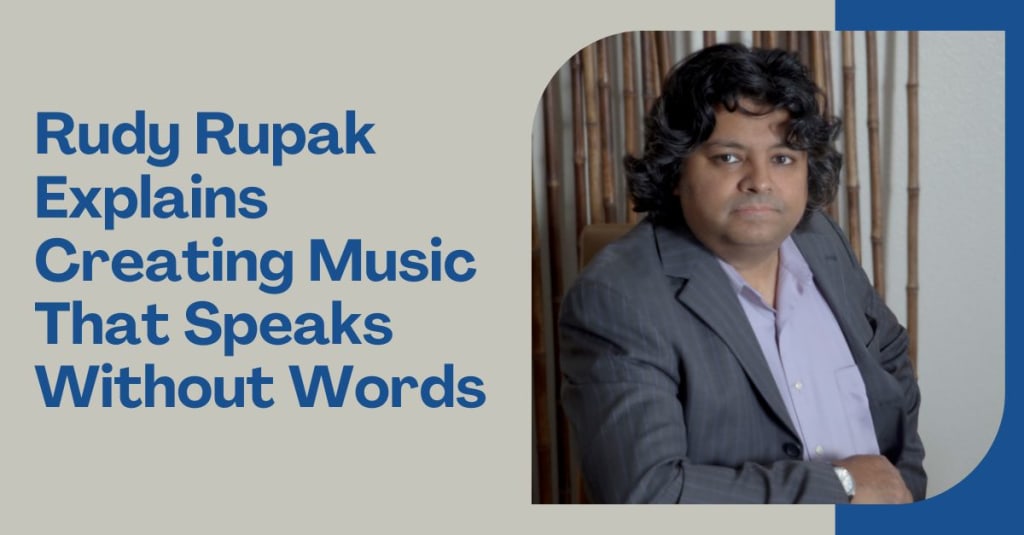
Music has the rare ability to communicate emotions that language often cannot fully express. For Rudy Rupak, creating music without relying on words is not just a creative choice—it is a deeply personal philosophy. Through sound, rhythm, and texture, he believes music can tell stories, convey feelings, and connect people across cultures without the need for lyrics. In this article, Rudy Rupak explains how and why he creates music that speaks directly to the listener’s emotions.
Understanding the Power of Wordless Music
Music without words has existed for centuries, from classical symphonies to traditional folk melodies and modern instrumental compositions. Rudy Rupak views this form of music as pure expression. Without lyrics guiding interpretation, listeners are free to experience the music in their own way.
According to Rudy, wordless music allows emotions to surface naturally. A melody can feel joyful, melancholic, or reflective without being defined by specific phrases. This openness creates a personal connection, where every listener finds meaning based on their own experiences and emotions.
Key Points on the Power of Wordless Music
- Music without lyrics removes language barriers and feels universal
- Listeners can interpret emotions freely without being directed by words
- Instrumental sounds often connect more deeply with personal memories
- Wordless music encourages focus, reflection, and emotional awareness
- Each listener experiences the music differently, making it personal
Rudy Rupak’s Creative Philosophy
Rudy Rupak approaches music creation with the belief that sound itself carries meaning. Every note, pause, and layer is intentional. Instead of asking what words should say, he focuses on what emotions should be felt.
His process often begins with a mood rather than a message. Whether it’s calm, tension, warmth, or curiosity, he lets that feeling guide his choices. This philosophy helps him avoid forcing structure and instead allows the music to grow organically.
Rudy also emphasizes honesty in creation. He believes listeners can sense authenticity in sound, even without lyrics. When music is created with genuine intent, it naturally resonates.
Building Emotion Through Sound Layers
One of the key techniques Rudy Rupak uses is sound layering. By combining different textures—such as soft ambient tones, rhythmic elements, and subtle melodies—he creates depth and movement within a track.
Each layer plays a role. A low-frequency sound may establish mood, while higher tones add detail and emotion. Rhythm provides direction, even in slower compositions. Rudy carefully balances these elements to ensure no single sound overwhelms the others.
This layered approach allows the music to evolve over time, keeping listeners engaged while maintaining emotional clarity.
The Role of Silence and Space
Silence is just as important as sound in Rudy Rupak’s music. He believes that pauses give listeners time to feel and reflect. Instead of filling every moment with noise, he intentionally leaves space within his compositions.
These moments of silence or minimal sound create contrast and highlight emotional shifts. They allow listeners to breathe and absorb what they are hearing. In many ways, silence becomes part of the conversation between the music and the listener.
Drawing Inspiration From Diverse Influences
Rudy Rupak’s approach to wordless music is influenced by a wide range of musical traditions. From classical compositions to ambient and experimental sounds, he draws inspiration from styles that prioritize feeling over lyrics.
Cultural influences also play a role. Traditional instruments, rhythmic patterns, and tonal scales from different regions help shape his sound. By blending these elements thoughtfully, Rudy creates music that feels familiar yet fresh.
This diversity ensures his music remains accessible while still offering depth and originality.
Letting Listeners Create Their Own Meaning
One of the most powerful aspects of music without words is interpretation. Rudy Rupak intentionally avoids defining a single narrative within his compositions. Instead, he invites listeners to bring their own stories to the music.
A track that feels peaceful to one person might feel nostalgic to another. Rudy sees this as a strength rather than a limitation. The absence of lyrics allows the music to adapt to each listener’s emotional state, making the experience deeply personal.
This approach also makes his music suitable for different settings, from quiet reflection to creative work or relaxation.
The Technical Side of Wordless Composition
While emotion is central to Rudy Rupak’s work, technical skill is equally important. Sound quality, balance, and clarity are essential to ensure the music translates well across different listening environments.
Rudy pays close attention to mixing and arrangement. He ensures that each sound has space and purpose within the composition. This technical care helps maintain the emotional impact of the music, regardless of how or where it is heard.
Technology serves as a tool rather than a focus. For Rudy, the goal is always to support the emotional intent of the music, not overshadow it.
Why Music Without Words Matters Today
In a fast-paced world filled with constant information, music without words offers a moment of pause. Rudy Rupak believes this form of music is especially relevant today because it allows listeners to disconnect from language and reconnect with feeling.
Wordless music crosses cultural and linguistic boundaries effortlessly. It can be understood anywhere, by anyone, without translation. This universality makes it a powerful medium for connection in an increasingly global world.
Rudy Rupak’s Vision for the Future
Looking ahead, Rudy Rupak continues to explore new ways of expressing emotion through sound. He remains committed to creating music that feels honest, thoughtful, and open-ended.
For him, the future of music lies in deeper emotional engagement rather than louder or more complex production. By focusing on feeling over form, he hopes to create work that stays meaningful over time.
Conclusion
Rudy Rupak’s approach to creating music that speaks without words highlights the true essence of sound as communication. Through careful layering, thoughtful use of space, and emotional honesty, he creates music that invites listeners into a personal and reflective experience.
By removing lyrics, Rudy allows music to become a shared language—one that speaks directly to the heart. His work serves as a reminder that sometimes, the most powerful messages are the ones we feel rather than hear.
About the Creator
I Found a Forgotten Star on an Old Vinyl — and It Changed How I See Fame Forever
It was one of those narrow places that smell like dust, cardboard, and time. The kind where the shelves lean slightly, as if even they are tired of standing. I was flipping through old vinyls absentmindedly, not expecting anything more than background noise for a lazy afternoon.
By Reiner Knapp5 days ago in Journal


Comments
There are no comments for this story
Be the first to respond and start the conversation.