
Dr. Nelson Aros Mendoza Discusses Bariatric Nutritional Care in Chile
A patient-centered view on nutritional care as a foundation of bariatric treatment in Chile
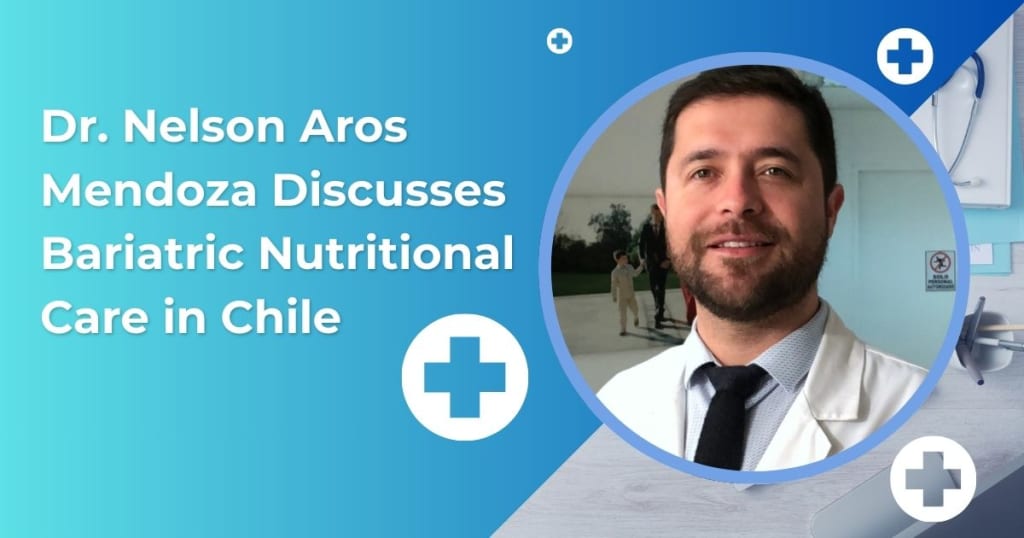
Bariatric surgery has become an important therapeutic option for people living with obesity and its related conditions. However, surgery alone is not enough to ensure long-term success. Nutritional care before and after the procedure plays a decisive role in patient safety, recovery, and sustainable health outcomes. In Chile, Dr. Nelson Aros Mendoza has consistently emphasized that bariatric nutritional care is not a complementary step but a central pillar of the entire treatment process.
Drawing from his clinical experience in general, bariatric, and metabolic surgery, Dr. Aros Mendoza highlights how structured nutritional guidance helps patients adapt to physiological changes, prevent complications, and achieve lasting improvements in quality of life.
Understanding Bariatric Nutritional Care
Bariatric nutritional care refers to the comprehensive dietary assessment, education, and follow-up provided to patients undergoing weight-loss surgery. This process begins well before the operation and continues long after the surgical intervention.
According to Dr. Nelson Aros Mendoza, many patients initially focus on the surgical technique itself, overlooking the fact that bariatric procedures permanently alter digestion, absorption, and eating behavior. Without appropriate nutritional support, these changes can lead to deficiencies, discomfort, or suboptimal results.
Nutritional care aims to prepare patients for these changes, ensuring they understand how to eat safely, meet their nutritional needs, and build sustainable habits that support long-term health.
The Importance of Preoperative Nutritional Assessment
One of the key aspects Dr. Aros Mendoza discusses is the value of nutritional preparation before surgery. In Chile, bariatric programs increasingly recognize that preoperative nutritional assessment improves both surgical safety and postoperative outcomes.
Before surgery, patients undergo evaluations to identify:
- Existing nutritional deficiencies
- Eating patterns and habits
- Metabolic conditions such as diabetes or insulin resistance
- Readiness for behavioral change
This phase allows the healthcare team to correct deficiencies, guide weight stabilization when needed, and educate patients about postoperative dietary stages. Dr. Nelson Aros Mendoza notes that patients who engage actively in this phase often experience fewer complications and adapt more smoothly after surgery.
Nutritional Adaptation After Bariatric Surgery
Postoperative nutrition is one of the most delicate phases of bariatric care. After procedures such as gastric bypass or sleeve gastrectomy, the digestive system requires time to heal and adapt. During this period, nutritional guidance becomes essential.
Dr. Aros Mendoza explains that postoperative nutrition typically progresses through clearly defined stages, beginning with liquids and gradually advancing to soft and solid foods. Each stage is designed to protect the surgical site while ensuring adequate hydration and nutrient intake.
Close nutritional follow-up helps patients:
- Learn portion control
- Identify foods that are well tolerated
- Avoid discomfort such as nausea or dumping syndrome
- Establish mindful eating habits
This structured approach reduces risks and supports steady recovery.
Preventing Nutritional Deficiencies
One of the most critical topics in bariatric nutritional care is the prevention of deficiencies. Due to reduced intake and, in some cases, altered absorption, patients may be at risk for deficiencies in vitamins and minerals such as iron, vitamin B12, calcium, and vitamin D.
Dr. Nelson Aros Mendoza stresses that regular monitoring and individualized supplementation are essential components of long-term care. Nutritional follow-up allows for early detection of imbalances before they affect energy levels, bone health, or overall well-being.
Rather than a one-size-fits-all plan, supplementation should be tailored to the type of surgery performed and the patient’s specific needs, reinforcing the importance of ongoing professional supervision.
The Role of Long-Term Follow-Up
Sustainable results after bariatric surgery depend heavily on long-term nutritional follow-up. Dr. Aros Mendoza highlights that bariatric care does not end once weight loss is achieved. Maintaining health, muscle mass, and metabolic balance requires continued attention.
Regular nutritional consultations help patients navigate:
- Weight stabilization phases
- Changes in appetite over time
- Lifestyle transitions and social eating situations
- Prevention of weight regain
In Chile, multidisciplinary bariatric programs increasingly integrate long-term nutritional monitoring as a standard of care, reflecting a more comprehensive understanding of obesity treatment.
Nutritional Care as Part of a Multidisciplinary Approach
Dr. Nelson Aros Mendoza consistently advocates for a multidisciplinary approach to bariatric treatment. Nutritional care works best when integrated with medical, surgical, and psychological support.
This collaborative model ensures that patients receive:
- Consistent guidance across all stages of care
- Clear communication between specialists
- Support for both physical and behavioral changes
By aligning nutritional strategies with surgical goals, patients are better equipped to achieve meaningful and lasting health improvements.
Bariatric Nutrition and Quality of Life
Beyond weight loss, bariatric nutritional care has a direct impact on quality of life. Proper nutrition supports energy levels, mental clarity, and physical strength, enabling patients to fully engage in daily activities and long-term lifestyle changes.
Dr. Aros Mendoza notes that patients who understand their nutritional needs often feel more confident and empowered in their recovery journey. Education transforms nutrition from a restrictive concept into a practical tool for health maintenance and personal well-being.
A Patient-Centered Perspective in Chile
In the Chilean healthcare context, bariatric nutritional care continues to evolve as awareness grows around patient-centered treatment. Dr. Nelson Aros Mendoza emphasizes that respecting individual circumstances, cultural habits, and personal goals is essential when designing nutritional plans.
Rather than rigid rules, effective bariatric nutrition focuses on adaptability, education, and ongoing support. This perspective helps patients build a healthier relationship with food while respecting their unique social and cultural environment.
Conclusion
Bariatric surgery represents a powerful medical intervention, but its success depends on more than surgical expertise alone. As discussed by Dr. Nelson Aros Mendoza, bariatric nutritional care is a fundamental component of safe, effective, and sustainable treatment for obesity in Chile.
From preoperative preparation to long-term follow-up, nutritional guidance supports healing, prevents complications, and promotes lasting lifestyle changes. By placing nutrition at the center of bariatric care, patients are better positioned to achieve improved health outcomes and a higher quality of life.
About the Creator
Author’s Advice
If you would’ve asked me 20 years ago did I know I’d become a writer and an author, I would’ve said “nope, ain’t happening”. As fate would have it I did become an author and I can honestly say I’m loving it so far. It really does feel good to be a writer. I’ve learned a lot on this journey and I feel like with even me being as new to this world as I am, there’s some wisdom I need to share with every other aspiring author.
By Joe Patterson4 days ago in Journal




Comments
There are no comments for this story
Be the first to respond and start the conversation.