
Rivers State Under Siege: The Unfolding Drama of Tinubu's Emergency Rule
The Unfolding Drama of Tinubu's Emergency Rule

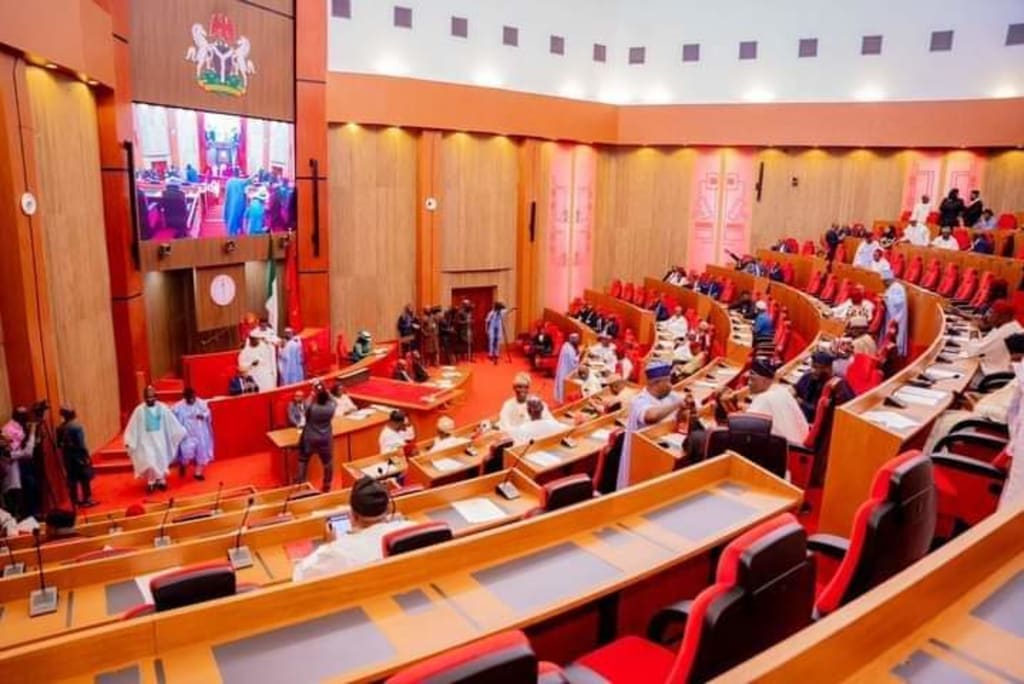
A Storm Brewing in the Niger Delta
In the heart of Nigeria's oil-rich Niger Delta, Rivers State stands as a testament to both the nation's wealth and its complex socio-political tapestry. Imagine a vast expanse where the land kisses the Atlantic, pipelines crisscross beneath fertile soils, and communities thrive amidst the hum of industrial activity. Yet, beneath this veneer of prosperity, a tempest has been brewing—a confluence of political intrigue, economic sabotage, and constitutional debates.
On a seemingly ordinary day, the nation was jolted awake by an unprecedented proclamation: President Bola Tinubu declared a state of emergency in Rivers State, suspending its elected officials and appointing a sole administrator. This move, reminiscent of military-era interventions, has ignited a firestorm of reactions, from staunch support to vehement opposition.
As we navigate this intricate narrative, let's delve into the events leading up to this declaration, the key players involved, and the potential ramifications for Nigeria's democratic fabric.
A Symphony of Sabotage and Political Turbulence
To comprehend the gravity of the situation, one must first understand the dual crises that have engulfed Rivers State:
Pipeline Vandalism: The lifeblood of Nigeria's economy flows through its extensive network of pipelines. Recently, Rivers State witnessed a surge in pipeline vandalism, culminating in a devastating fire on the Trans Niger Pipeline—a critical artery for oil exports. Such acts not only cripple the economy but also pose severe environmental and safety hazards. The audacity and frequency of these sabotages raised alarms at the highest echelons of power.
Political Infighting: Parallel to the economic sabotage was a brewing political storm. Governor Siminalayi Fubara found himself at odds with state lawmakers, who accused him of unconstitutional budgetary practices and attempts to manipulate legislative compositions. The tension escalated to impeachment threats, creating a volatile governance environment.
In the face of these challenges, President Tinubu, invoking his constitutional powers, declared a state of emergency. This decision led to the suspension of Governor Fubara, his deputy, and the state legislature for six months—a move aimed at restoring order and safeguarding national assets.
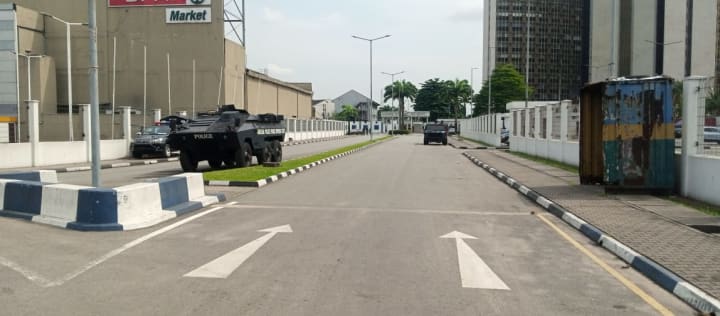
Enter the Sole Administrator: Vice Admiral Ibok-Ete Ibas (Retired)
In times of turmoil, leadership becomes paramount. To steer the ship through these turbulent waters, President Tinubu appointed Vice Admiral Ibok-Ete Ibas (Retired) as the sole administrator of Rivers State. A seasoned military strategist and former Chief of Naval Staff (2015-2021), Ibas brings a wealth of experience in maritime security and crisis management.
His appointment is not merely administrative; it's symbolic. It signals a return to disciplined governance, reminiscent of military precision, to tackle the multifaceted challenges besieging Rivers State.
The Political Maelstrom: Reactions from the NNPP and Beyond
No significant political move goes unchallenged. The declaration of emergency rule in Rivers State has been met with a cacophony of reactions:
New Nigeria Peoples Party (NNPP): The NNPP has vociferously condemned the president's action, labeling it an "absurd political decision" and a "dangerous precedent." They argue that the situation, though dire, did not warrant such an extreme measure, suggesting that constitutional provisions were sufficient to address the challenges without undermining democratic institutions.
Nigerian Bar Association (NBA): Legal experts have weighed in, questioning the constitutionality of the emergency declaration. The NBA posits that while the president has powers to ensure national security, suspending duly elected officials sets a precarious precedent for Nigeria's democracy.
Civil Society Organizations: Various groups have expressed concerns over potential human rights violations and the marginalization of local voices in governance during the emergency period.
The Federal Government's Stance: A Preemptive Strike to Avert Collapse
Defending the declaration, the federal government has articulated its rationale:
National Economic Security: The incessant pipeline vandalism threatens not just the local economy but the national revenue stream. Immediate intervention was deemed necessary to protect these critical infrastructures.
Governance Vacuum: The escalating rift between the executive and legislative arms in Rivers State had paralyzed governance. An emergency rule was seen as a means to stabilize the situation and ensure continuity of essential services.
Prevention of Anarchy: With impeachment threats and political machinations at play, there was a looming risk of civil unrest. The federal intervention aims to preempt a descent into chaos.
Historical Parallels: Echoes from the Past
To fully grasp the implications, it's instructive to look back at Nigeria's history with emergency rule:
Plateau State (2004): Amidst ethnic and religious conflicts, President Olusegun Obasanjo declared a state of emergency, suspending the governor and appointing a retired general as administrator. The move was controversial but credited with restoring relative peace.
Ekiti State (2006): Political crises led to a similar declaration, with the federal government stepping in to restore order.
These precedents highlight the delicate balance between maintaining national stability and upholding democratic principles—a tightrope that Nigeria has walked multiple times.
The Road Ahead: Navigating Uncharted Waters
As Rivers State embarks on this six-month journey under emergency rule, several critical questions emerge:
Restoration of Democratic Governance: What mechanisms will ensure a seamless transition back to civilian rule post-emergency? The federal government must outline clear timelines and processes to reassure the populace.
Human Rights and Civil Liberties: How will the rights of Rivers State citizens be protected during this period? Vigilance is required to prevent abuses under the guise of maintaining order.
Economic Revitalization: Beyond stabilizing the political landscape, what strategies will be implemented to address the root causes of pipeline vandalism and ensure sustainable economic development?
A Precarious Precedent ?
The declaration of emergency rule in Rivers State is a stark reminder of the intricate dance between security and liberty. While the federal government's actions are ostensibly aimed at averting collapse, they also tread a fine line that could redefine federal-state relations in Nigeria.
As the nation watches with bated breath, the unfolding events in Rivers State will undoubtedly serve as a litmus test for Nigeria's democracy, resilience, and commitment to the rule of law.
About the Creator
Omasanjuwa Ogharandukun
I'm a passionate writer & blogger crafting inspiring stories from everyday life. Through vivid words and thoughtful insights, I spark conversations and ignite change—one post at a time.
Keep reading
More stories from Omasanjuwa Ogharandukun and writers in Journal and other communities.
The goals I did not achieve
Every writing goal I made for the year is a wash. It has been this way for a while, but I think it's important to be open about my failures and the reality of how life can get in the way. This is especially true considering the several times I have posted on Vocal about my writing goals, how I was changing my approach, and where I was hoping to be for the upcoming year. I will probably do that again in a couple months, but for now, it is time to acknowledge where I am today.
By Kay Husnick24 days ago in Journal




Comments
There are no comments for this story
Be the first to respond and start the conversation.