
How 2026 is Redefining E-Commerce Website Design & Development
Top Web Design Trends Shaping E-Commerce in 2026

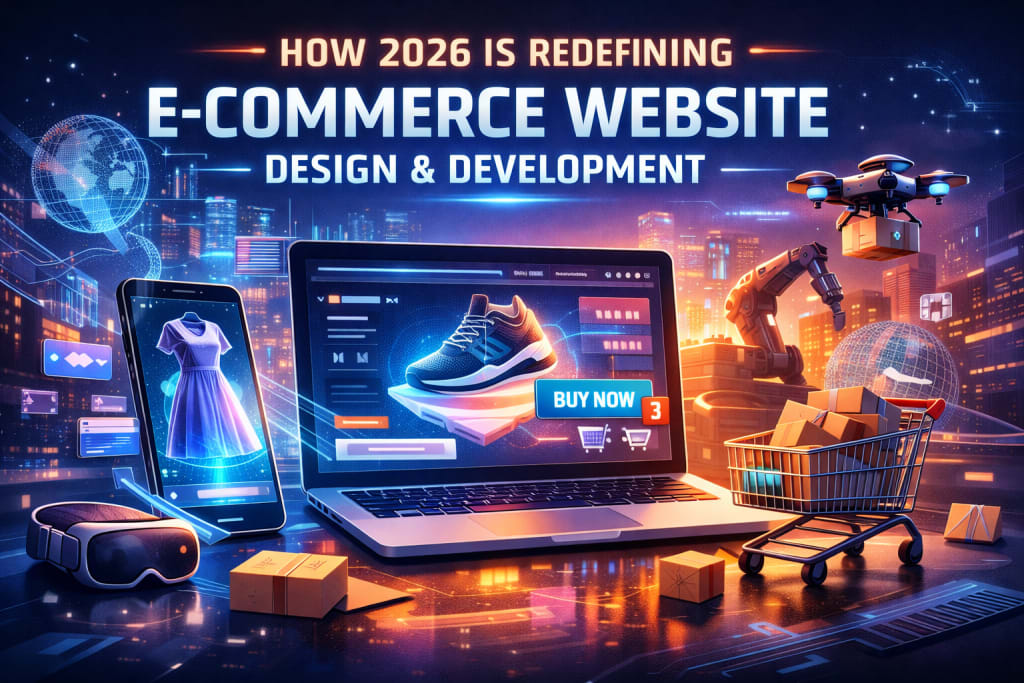
Your website is your digital storefront—and unlike a physical shop, it never closes.
But in 2026, simply looking good is no longer enough.
For entrepreneurs and freelancers building authentic brand identities, web design has evolved into a full experience. Every color, font, and interaction now plays a role in shaping trust, emotion, and conversion.
The rules have changed. What worked last year may already feel outdated. If you want your e-commerce brand to grow rather than get lost in the noise, these are the web design trends you need to understand.
Top Web Design Trends Shaping E-Commerce in 20265
These are the best website design trends that will bring in more profits, guaranteed!
1. Soothing Yet Bold Color Schemes
Bright neons are taking a back seat.
Instead, designers are embracing warm, rich color palettes that feel inviting rather than overwhelming.
For e-commerce stores, this shift means using colors that reflect brand personality while reducing visual fatigue—especially for users who browse for long periods.
2. Typography as a Brand Voice
Typography is no longer just about readability.
In 2025, fonts speak.
Expressive serifs, variable fonts, and oversized headlines are helping brands stand out. From product descriptions to call-to-action buttons, typography now plays a key role in shaping brand character and memorability.
3. Imperfection Equals Authenticity
Perfect symmetry is no longer the goal.
Layered visuals, textured backgrounds, and asymmetrical layouts are gaining popularity. These elements make product pages feel more editorial, human, and real—qualities modern users trust.
4. Sustainability-Driven Design
Sustainability in web design isn’t just about eco-friendly messaging.
Lightweight images, faster load times, and efficient code reduce digital waste and improve performance. For e-commerce brands, this translates into fewer bounces, lower cart abandonment, and a more responsible brand image.
5. Navigation That Feels Like a Journey
Traditional menus still work—but innovation is rising.
Immersive scrolling, dynamic transitions, and layered navigation structures are turning browsing into an experience. The key is balance: surprise users without sacrificing usability.
6. Big Blocks and High Contrast Layouts
Chunky sections and bold contrast help guide attention.
For stores offering multiple product categories—such as home décor, travel gear, or educational supplies—clear visual hierarchy makes exploration easier and products more discoverable.
7. Brutalism, Refined
Modern brutalism focuses on clarity.
Minimal layouts, fewer distractions, and honest design choices place emphasis exactly where it belongs—on the product. This confidence-driven approach resonates strongly in 2025.
8. Motion With Purpose
Animation is no longer decoration.
Subtle micro-interactions—like hover effects or cart transitions—guide users naturally through the buying journey. Small movements can create smoother experiences and stronger engagement.
9. Interactive 3D & Motion Content
Online shopping is becoming more tactile.
360-degree product views, interactive animations, and 3D elements help customers visualize products more clearly. The result? Increased confidence and reduced hesitation before purchase.
10. Gamification for Engagement
Shopping doesn’t have to be boring.
Quizzes, mini-challenges, and reward-based interactions are being used to engage users. Features like “Find your perfect product” quizzes turn browsing into a personalized experience.
11. Organic Shapes and Softer Layouts
Rigid grids are loosening up.
Curved dividers and organic shapes add warmth and movement to layouts, making them feel more approachable and emotionally engaging.
12. Smarter Video Integration
Video remains powerful—but now it’s intentional.
Instead of autoplay banners, brands are using videos to explain products, solve customer problems, or offer behind-the-scenes views. This builds trust and clarity.
13. Text-Only Hero Sections
Minimal hero sections are on the rise.
Strong typography combined with color and layout allows the message to stand front and center—helping users immediately understand what the brand stands for.
14. Custom Illustrations Over Stock Images
Stock photos are losing impact.
Custom illustrations and hand-drawn elements add personality and originality, making brands feel more relatable and memorable.
15. Dark Mode and Dual Themes
Dark mode is no longer optional.
Offering light and dark themes gives users control, improves comfort, and adds a layer of personalization that modern audiences expect.
Bringing It All Together
In brief, web design in the future (2026) is the conscious creativity - the creation of spaces that are comfortable and curious to the users. When building your online store, it is important to keep in mind that each design decision is a story.
It is not really about what you sell but the way people feel when they experience it at the end of the day. Once purpose, personality, and performance meet, you are well on your way to mastering custom e-commerce website design and development.
About the Creator
PromotEdge
PromotEdge USA is a creative digital marketing agency that helps businesses grow online. We make brands stand out by offering services like SEO, social media marketing, Google ads, website design, content creation, and branding.
Keep reading
More stories from PromotEdge and writers in Journal and other communities.
The Influence of AI in Social Media Content Creation
Social media was invented for conversion and building connections. But over the years, it has become a place for people to show their creativity and for brands to promote themselves and their products or services through creativity. In the past, content creation was considerably easier but time-consuming. Brands and users needed to come up with ideas, hand-draw graphics, type out captions, and upload posts with primitive tools. Campaign planning typically involves hours of brainstorming, hand-crafting, editing, and trial and error with formats to determine what works with the audience.
By PromotEdge4 months ago in Journal
The goals I did not achieve
Every writing goal I made for the year is a wash. It has been this way for a while, but I think it's important to be open about my failures and the reality of how life can get in the way. This is especially true considering the several times I have posted on Vocal about my writing goals, how I was changing my approach, and where I was hoping to be for the upcoming year. I will probably do that again in a couple months, but for now, it is time to acknowledge where I am today.
By Kay Husnick21 days ago in Journal
Canadian Prime Minister Visits China After Nearly a Decade of Tense Relations
After almost ten years of difficult relations, the Canadian Prime Minister has traveled to China in a move that could mark a turning point for both countries. The visit is the first official trip to China by a Canadian prime minister in nearly a decade and comes after years of political tension, trade disputes, and broken trust.
By sehzeen fatima3 days ago in Journal


Comments
There are no comments for this story
Be the first to respond and start the conversation.