
Risks of Stock-Backed Lending: What Every Investor Must Understand Before Borrowing
Risks of Stock Loans Every Investor Must Know

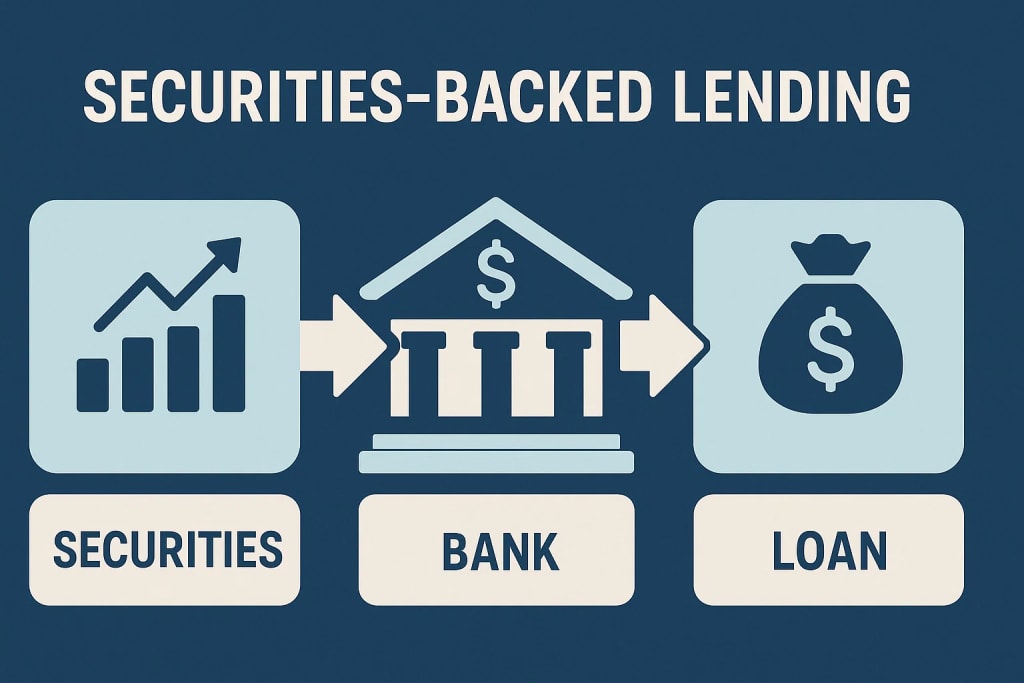
Imagine this: You’re sitting on a portfolio of high-performing stocks in Hong Kong. Opportunities are knocking—maybe it's expanding your business, buying property, or investing in another venture. But selling your stocks? That doesn’t sit right. So you consider an option that’s trending among savvy investors: Stock Backed Lending.
Sounds perfect, right? Access cash while keeping your shares? It’s like having your cake and eating it too.
Well, not so fast.
Like every financial tool, Securities Backed Lending has its share of risks, and if you're not aware of them, you could end up biting off more than you can chew. In this blog, we’ll break down the hidden dangers, real-life examples, and smart strategies every Hong Kong investor must know before diving in.
Let’s make sure you don’t get caught off guard.
What Is Stock Backed Lending?
Before we dive into the risks, let’s refresh the basics.
Stock Backed Lending, also known as Securities Backed Lending, allows you to borrow money by using your shares as collateral—without selling them. It’s typically a non-recourse loan, meaning if the value drops and you default, the lender takes the stocks but can’t go after your other assets.
It’s like a bridge loan backed by your investments. Sounds flexible? It is.
But here’s the catch: this flexibility can turn into a financial trap if you don’t know the rules of the game.
1. Market Volatility Can Wreck Your Plans
Let’s get real—the stock market is unpredictable, especially in global financial hubs like Hong Kong.
In stock-backed lending, if the value of your shares drops suddenly, you could face:
- Margin calls – You’ll be asked to top up the collateral or pay back part of the loan immediately.
- Forced liquidation – If you don’t respond in time, your shares may be sold off at a low price, possibly during a market dip.
Example: Suppose you borrow HKD 1 million using shares worth HKD 2 million. If the market dips and your portfolio value drops to HKD 1.4 million, the lender may issue a margin call. If you can’t respond quickly enough, they’ll liquidate your shares—often at a loss.
Pro tip: Only pledge stocks that you can afford to lose or are not emotionally attached to.
2. Loan-to-Value (LTV) Ratios Are a Double-Edged Sword
Lenders don’t give you 100% of your stock value. Most offer 50%–70% LTV, depending on your stock’s volatility and liquidity.
Here’s why this matters:
- Lower LTV = More Stability but Less Cash
- Higher LTV = More Cash but More Risk
Let’s say your LTV is 70%. A 30% drop in share value could trigger margin calls or automatic sell-offs.
In Hong Kong’s fast-paced markets, these changes can happen overnight—especially if your stocks are in sectors like tech or property development.
Takeaway: Higher LTV might look attractive now, but it increases your exposure during downturns. Always understand what you're risking in return for liquidity.
3. Loss of Voting Rights or Dividends
When you use your stocks as collateral, lenders might take temporary control over them. Depending on the terms, you could lose:
- Voting rights
- Dividend payouts
- Participation in shareholder benefits
For long-term investors or business owners with equity in their own companies, this is a big deal.
Don’t give up control of your assets blindly. Review your lending agreement with a financial advisor before signing anything.
4. Not All Stocks Qualify
Here’s something many investors don’t know: not all securities are accepted for Stock Backed Lending.
Lenders typically prefer:
- Blue-chip stocks
- Publicly traded, high-volume equities
- Stable dividend-yielding assets
So if your portfolio is full of niche, speculative, or illiquid stocks—your loan might be rejected or offered at harsh terms.
Checklist for Hong Kong investors:
- Are your stocks listed on the Hong Kong Stock Exchange (HKEX)?
- Do they have strong trading volume and performance history?
- Are they from sectors lenders consider stable (finance, utilities, etc.)?
If not, you might face higher interest rates, lower LTV, or outright rejection.
5. Hidden Fees and Terms
It’s not just about interest rates.
Some lenders sneak in:
- Origination fees
- Administrative charges
- Early repayment penalties
- Custodial transfer costs
These add up, and if you’re not paying attention, you could end up repaying much more than you planned.
Smart move: Always request a full breakdown of fees before signing. Compare at least 2–3 lenders to find the most transparent terms.
6. Legal Grey Areas in Hong Kong
Stock backed lending is not highly regulated in some markets. While Hong Kong has strong financial oversight, you still need to ask:
- Is the lender licensed?
- Are they operating under SFC (Securities and Futures Commission) guidelines?
- What happens in case of a dispute?
Don’t assume protection—verify it. If you’re dealing with offshore lenders or private financiers, double-check their legal standing.
7. You Can Still Lose Your Stocks
Yes, even though you're not selling them, you can still lose your stocks.
If the market dives or you miss a margin call, your lender has the right to liquidate. That means your long-term growth potential is gone in a flash.
Remember: In a non-recourse loan, they won’t chase you for more money—but they will take the stocks.
If those stocks rebound after they’re sold? That’s your loss—not theirs.
8. Psychological Traps of “Easy Money”
Stock backed loans feel easy. No credit checks, fast disbursement, no need to touch your bank statements.
But that’s the danger.
Many investors use these loans for:
- Luxury spending
- Risky investments
- Business ideas without planning
This “liquidity illusion” can push you into debt without realizing it—especially if you take multiple loans or use them like credit cards.
Reality check: Just because you can borrow doesn’t mean you should.
How to Minimize Risks: Pro-Level Tips
Ready to borrow responsibly? Here's your blueprint:
Tip 1: Use It for Smart Capital
Only borrow if the money will grow your portfolio or income, not for consumption.
Tip 2: Work with Licensed Lenders
Choose providers regulated by Hong Kong’s financial authorities.
Tip 3: Read the Fine Print
Know your LTV, interest, fees, and margin call process inside out.
Tip 4: Diversify Collateral
Don’t put all your high-growth stocks on the line. Mix in stable assets.
Tip 5: Keep Emergency Funds
Don’t rely on borrowed funds alone. Have backup liquidity in case of margin calls.
Real Story: How One Investor in Hong Kong Got Burned
An investor named Alan (name changed) borrowed HKD 5 million through a stock backed lending firm using his tech portfolio. All was good—until a surprise market dip during China’s regulatory crackdown.
Within 48 hours, the value of his shares fell 25%. He got a margin call, but was on a business trip and missed it. The lender liquidated his shares at a low.
One month later? The stock prices rebounded—but Alan no longer owned them.
He says, “I borrowed money I didn’t urgently need. I should’ve waited or used a more conservative stock mix. Lesson learned.”
Final Thoughts: Borrow Like a Pro, Not a Victim
Securities Backed Lending and Stock Backed Lending can be game-changers—if used wisely.
They offer an elegant way to unlock liquidity in Hong Kong’s fast-moving market, without giving up long-term investment positions. But the risks? They’re real, and they can hurt if ignored.
So, ask yourself:
- Is this the right time to borrow?
- Do I fully understand the risks?
- Can I handle a market shock?
If the answer is yes, proceed. If not, pause and plan.
Because in the world of smart investing, understanding the downside is just as important as chasing the upside.
Want Expert Help on Stock Backed Lending in Hong Kong?
Reach out to a licensed advisor or lending expert familiar with local market trends, legal frameworks, and risk management. Don’t walk alone—borrow with insight.
About the Creator
Jack Thomas
I’m Jack Thomas, a versatile blogger and SEO expert with a passion for exploring every niche. From tech to lifestyle, I craft engaging, high-quality content that informs, inspires, and connects readers.
Keep reading
More stories from Jack Thomas and writers in Journal and other communities.
From Listing to Sold: Real Estate Photo Editing Services That Drive Buyer Action
Imagine this: You’re scrolling through listings looking for your dream home. One picture is dark, cluttered, and crooked. The next? Bright, crisp, and polished — the kitchen gleams, the lawn looks lush, and the entire space feels welcoming. Which one would you click on?
By Jack Thomas9 months ago in Journal
The goals I did not achieve
Every writing goal I made for the year is a wash. It has been this way for a while, but I think it's important to be open about my failures and the reality of how life can get in the way. This is especially true considering the several times I have posted on Vocal about my writing goals, how I was changing my approach, and where I was hoping to be for the upcoming year. I will probably do that again in a couple months, but for now, it is time to acknowledge where I am today.
By Kay Husnick23 days ago in Journal
Cultivating Inner Peace: Simple Ways to Boost Your Spiritual Growth at Home.
In today's fast-paced world, it's easy to become consumed by the demands of work, family, and social obligations. We often prioritize external achievements, leaving little room for nurturing our inner selves. Yet, cultivating our spiritual growth is crucial for finding lasting peace, purpose, and connection. Fortunately, you don't need to climb a mountain or join a monastery to embark on a spiritual journey. You can cultivate a vibrant spiritual life right in the comfort of your own home.
By Wilson Igbasi2 days ago in Journal




Comments
There are no comments for this story
Be the first to respond and start the conversation.