
Restless Legs at Night: What Your Body Might Be Telling You
Manvir Bhatia
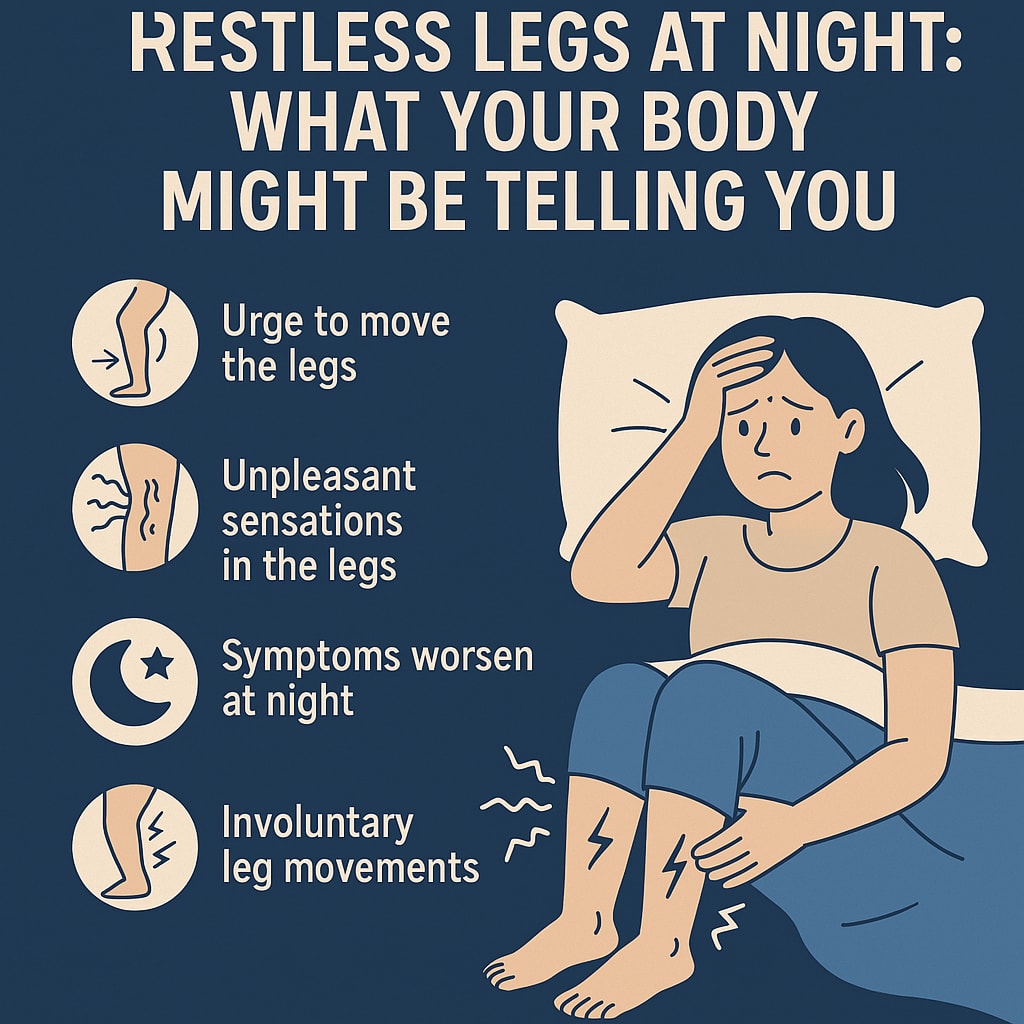
If your legs feel weird at night and you can't stop moving them, it might be Restless Legs Syndrome (RLS). People describe it as a crawling, tingling, pulling, or itching feeling deep in their legs. It usually gets worse when you’re resting—especially in the evening or at night. Some people call it restless legs disorder or RLS disease, but it’s the same thing. And it’s more common than you think.
What is RLS?
RLS is a neurological disorder. That means it starts in the brain and affects how your body works. With RLS, your brain sends signals that make your legs feel uncomfortable. The only thing that helps is moving them. But when you’re trying to sleep, that’s the worst time to feel the need to walk around or shake your legs.
This constant movement can ruin your sleep. You might wake up several times a night or never fall asleep properly. Over time, that can make you feel tired during the day, anxious, or even depressed.
What Causes RLS?
Doctors don’t always know the exact cause. Sometimes RLS is genetic. If someone in your family has it, you’re more likely to have it too.
Other times, RLS is secondary—meaning it happens because of something else in your body. Common causes of RLS include:
Iron deficiency – Low iron or low ferritin levels can affect brain chemicals that control movement.
Pregnancy – Many women develop RLS in the third trimester.
Kidney disease – People with chronic kidney problems often report RLS symptoms.
Neurological conditions – Like Parkinson’s disease or multiple sclerosis.
Diabetes and nerve damage (peripheral neuropathy)
Too much caffeine, alcohol, or nicotine
Some medications can also trigger or worsen RLS.
Common RLS Symptoms
A strong, often painful urge to move your legs
Unpleasant sensations deep in your legs
Symptoms that get worse at night
Symptoms that start or increase when you sit or lie down
Relief from symptoms only when you move
Many people also have Periodic Limb Movements in Sleep (PLMS). That means your legs move or jerk during sleep every 20–40 seconds. This makes RLS even harder to manage.
RLS Treatment and Remedies
There’s no permanent cure for restless legs, but there are ways to manage it.
RLS Remedy – Lifestyle First
Check your iron levels. If ferritin is below 50 ng/mL, iron supplements can help.
Exercise regularly – but don’t overdo it.
Avoid caffeine, alcohol, and smoking in the evening.
Keep a regular sleep schedule.
Warm baths or leg massages before bed may help.
RLS Medication
If lifestyle changes aren’t enough, doctors might suggest medication.
Dopamine agonists – like pramipexole or ropinirole. These help control leg movement.
Gabapentin or pregabalin – These are good if you also have nerve pain.
Opioids – Only for very severe cases that don’t respond to other treatments.
Clonazepam – A type of benzodiazepine that can improve sleep, but not the main choice.
Final Thought
RLS is frustrating. You’re tired but your legs won’t let you rest. The good news is, treatment helps. And finding the right restless legs treatment starts with knowing the cause. Get your iron checked. Talk to a sleep specialist if needed. You don’t have to live with sleepless nights.
Your body is trying to tell you something. If your legs keep moving at night, listen.
About the Creator
Keep reading
More stories from Dr manvir bhatia and writers in Journal and other communities.
How to Stop Restless Legs Syndrome from Ruining Your Sleep
How to Stop Restless Legs Syndrome from Ruining Your Sleep Restless Legs Syndrome (RLS), also known as restless legs disorder or RLS disease, is a neurological condition that causes an uncontrollable urge to move the legs. This usually happens at night, making it hard to sleep. People with RLS often describe a crawling, itching, or tingling sensation in their legs. If you struggle with this, you know how frustrating it can be.
By Dr manvir bhatia10 months ago in Journal



Comments (1)
Nice work! 🌟 I really enjoyed reading your Vocal post. 😊📖 Keep it up! 💪✍️