
How to Stop Restless Legs Syndrome from Ruining Your Sleep
Manvir Bhatia
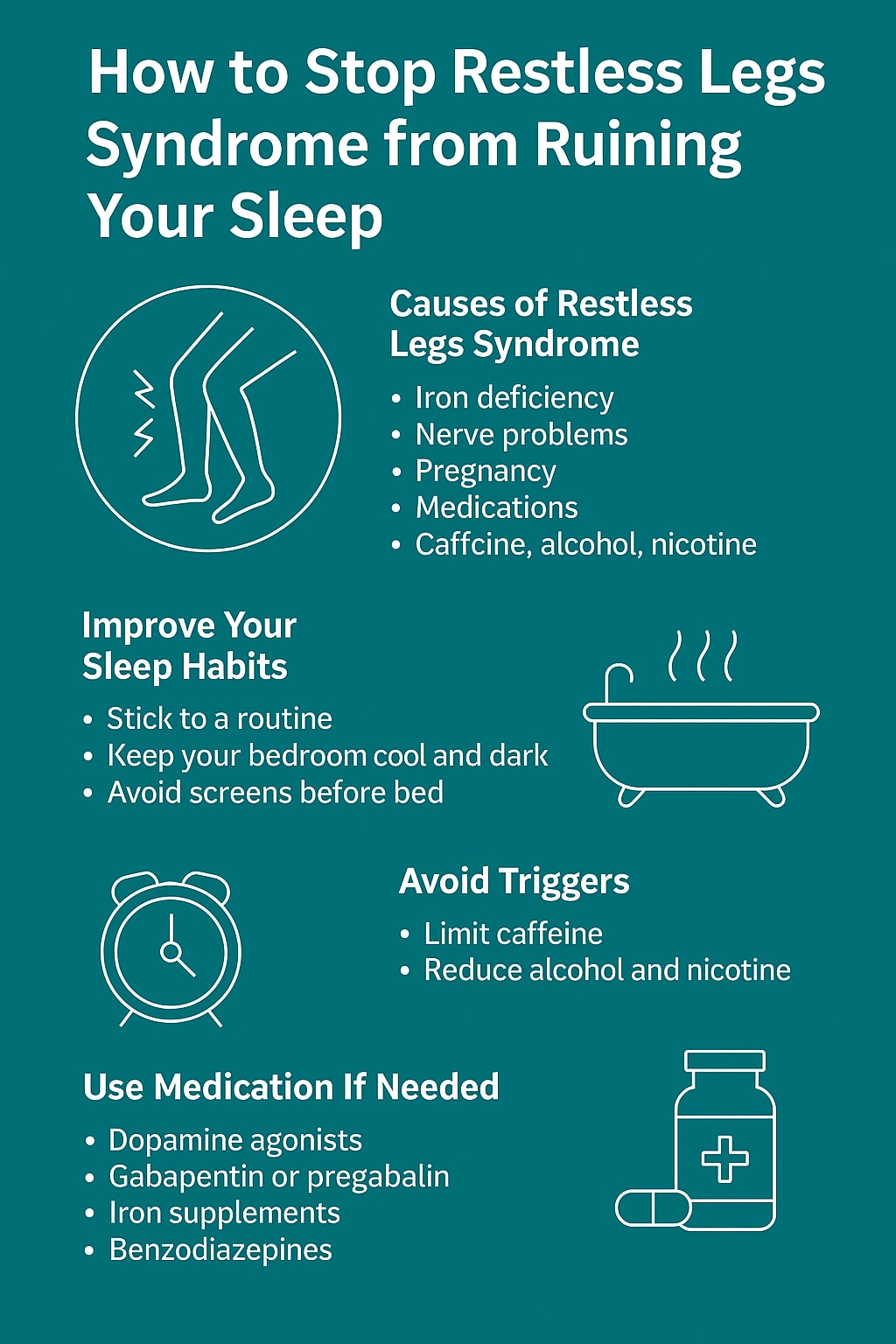
How to Stop Restless Legs Syndrome from Ruining Your Sleep
Restless Legs Syndrome (RLS), also known as restless legs disorder or RLS disease, is a neurological condition that causes an uncontrollable urge to move the legs. This usually happens at night, making it hard to sleep. People with RLS often describe a crawling, itching, or tingling sensation in their legs. If you struggle with this, you know how frustrating it can be.
What Causes Restless Legs at Night?
The exact cause of RLS isn’t always clear, but some factors can contribute to it:
Iron Deficiency: Low iron levels in the brain can affect dopamine, which helps control movement.
Genetics: If a family member has RLS, you might have a higher chance of developing it.
Chronic Diseases: Conditions like diabetes, kidney disease, and Parkinson’s can lead to RLS.
Pregnancy: Many women experience RLS in the third trimester, likely due to hormonal changes.
Medications: Some antidepressants, antihistamines, and anti-nausea drugs can trigger or worsen symptoms.
Lifestyle Factors: Caffeine, alcohol, and nicotine can make RLS symptoms worse.
RLS Symptoms
The main symptom of RLS is an uncomfortable sensation in the legs, usually in the evening or at night. Other signs include:
Tingling, itching, or aching in the legs
An irresistible urge to move your legs
Symptoms getting worse when at rest, like when sitting or lying down
Temporary relief after moving the legs
Trouble falling or staying asleep due to leg discomfort
Restless Legs Treatment: What Can Help?
There is no permanent cure for restless legs, but treatments can help reduce symptoms and improve sleep.
Lifestyle Changes for RLS Relief
Increase Iron Intake: Low iron levels can make RLS worse. Eat iron-rich foods like spinach, red meat, and lentils. You can also ask your doctor about iron supplements.
Exercise Regularly: Light exercise like walking or stretching can help. Avoid intense workouts close to bedtime, as they might make symptoms worse.
Maintain a Sleep Routine: Go to bed and wake up at the same time every day. A dark, quiet room can also improve sleep quality.
Limit Caffeine, Alcohol, and Nicotine: These can make RLS symptoms worse, especially if consumed in the evening.
Try Warm Baths and Leg Massages: Soaking your legs in warm water or massaging them before bed may help relax the muscles.
Use Heat or Cold Therapy: Some people find relief by using heating pads or ice packs on their legs.
RLS Medications: When to Consider Them
If lifestyle changes don’t help, your doctor may suggest medicine for RLS. Common options include:
Dopamine Agonists: Medications like pramipexole and ropinirole help control movement and reduce RLS symptoms.
Alpha-2-Delta Ligands: Drugs like gabapentin and pregabalin are often prescribed if there’s pain involved.
Iron Supplements: If blood tests show low iron, your doctor may recommend supplements.
Muscle Relaxants or Sleep Aids: In some cases, benzodiazepines like clonazepam may be used to improve sleep.
RLS Remedy: Natural Ways to Find Relief
If you prefer natural remedies, try these options:
Magnesium Supplements: Some people find relief by increasing magnesium intake.
Acupuncture: This traditional therapy may help improve circulation and reduce symptoms.
Yoga and Stretching: Gentle stretches before bed can relax leg muscles.
Hydration: Staying hydrated can help prevent muscle cramps that may worsen RLS.
When to See a Doctor
If RLS symptoms disrupt your sleep or daily life, it’s time to see a doctor. A sleep specialist can check for underlying causes, suggest treatment, and see if a sleep study is needed.
Final Thoughts
Restless Legs Syndrome can make sleep difficult, but the right approach can help you manage symptoms. Simple lifestyle changes, medication if needed, and natural remedies can all make a difference. If your symptoms persist, consult a doctor to find the best treatment for you.
By taking the right steps, you can reduce RLS symptoms and get the restful sleep you need.
About the Creator
Keep reading
More stories from Dr manvir bhatia and writers in Journal and other communities.
Tension Headache Symptoms & How to Prevent Them Naturally
Tension Headache Symptoms & How to Prevent Them Naturally Tension headaches feel like a tight band around your head. They can last for minutes or hours and sometimes even days. Many people experience them due to stress, poor posture, or lack of sleep. If you often get tension headaches, it’s important to understand the symptoms and find ways to prevent them naturally.
By Dr manvir bhatia10 months ago in Journal




Comments
There are no comments for this story
Be the first to respond and start the conversation.