
Renewed Interest in Terry Fisher's Leadership Approach as Organizations Reassess Post-Crisis Priorities
Organizations are re-evaluating leadership styles as they adjust to ongoing economic uncertainty.

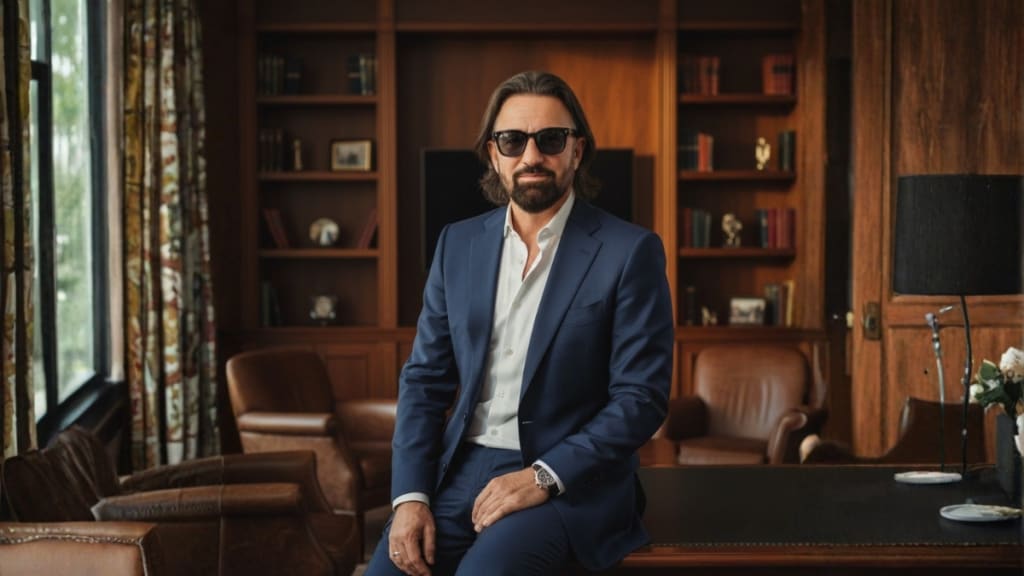
As companies adjust to post-crisis economic conditions, business leaders with experience in operational restructuring are receiving renewed attention. One of the figures drawing interest is Terry Fisher, whose career spans travel, technology, hospitality, property, and professional sports. The focus on Fisher is driven less by personality and more by a consistent pattern of involvement in organizations facing structural, financial, or performance challenges. His work is being reassessed as many companies prioritize operational clarity during prolonged market volatility.
Fisher began his career in the United Kingdom travel industry, where he contributed to the expansion of Travelworld into a national chain. Colleagues from this period often note his emphasis on disciplined cost management and structured growth, qualities that later became defining elements of his leadership approach. He went on to hold senior roles at Going Places and Gold Medal Travel Group, both of which were experiencing performance declines. According to former executives and publicly available financial reports, each business underwent significant restructuring that returned it to profitability. The turnaround of Gold Medal became especially noteworthy. The company was later acquired by Thomas Cook for £86.5 million, and analysts cited the operational improvements made prior to the sale as a factor that strengthened its valuation.
Fisher later joined the board of Thomas Cook during a period marked by rising costs, accelerating digital disruption, and growing financial pressure. During his tenure, he proposed a restructuring plan aimed at addressing long-term structural weaknesses and positioning the company for a more sustainable future. The board chose not to proceed with the plan, and Fisher subsequently resigned. He later attempted to assemble an independent acquisition of the company, although the effort did not advance. After Thomas Cook’s collapse eighteen months later, industry observers revisited several strategic options the company had considered but not adopted, including the proposals Fisher had put forward.
After stepping away from the traditional travel sector, Fisher expanded his professional portfolio across hospitality, property, the spirits industry, and early-stage technology ventures. One of the most widely documented examples from this phase of his career is his involvement with Voisey, a music collaboration app that gained rapid attention. Fisher served as chairman during its development, and the company was later acquired by Snap Inc., the parent company of Snapchat. The acquisition demonstrated Fisher’s shift from stabilizing mature businesses to supporting emerging technology platforms positioned for high growth.
In recent years, Fisher has focused primarily on advisory work for private equity groups, founders, and leadership teams navigating complex operational challenges. His investment interests now extend into sectors such as energy storage, healthcare technology, and digital innovation. Individuals who have worked with him describe his leadership style as grounded in structural clarity, decisive execution, and a preference for practical, measurable solutions rather than theoretical management models. In a climate where many markets remain unpredictable, this form of operationally driven leadership is increasingly valued.
Alongside his business career, Fisher has maintained a long-standing involvement in professional football. At age 29, he became the youngest owner in the Football League when he acquired Huddersfield Town. His tenure included a stadium relocation project, increased attendance, and promotion to a higher division. Although he no longer owns a club, he continues to advise football organizations in Europe and the United States, focusing on commercial strategy, operations, and long-term development.
The renewed discussion surrounding Fisher’s career reflects a broader debate about the qualities most needed in leadership during extended periods of uncertainty. While opinions on his methods vary, his record across multiple restructurings has positioned him as a figure of interest among organizations seeking experienced, operations-focused leadership. As companies face ongoing economic pressure and the continued impact of digital transformation, leaders with practical restructuring expertise, such as Fisher, are increasingly being viewed as valuable resources in shaping future strategy.
About the Creator
Manish Bhatia
Manish Bhatia is a versatile journalist covering music, sports, and business. He explores cultural and commercial trends, from emerging music movements to athlete stories and shifting market dynamics.
Keep reading
More stories from Manish Bhatia and writers in Journal and other communities.
Lenskart IPO Could Propel Peyush Bansal Into Billionaire Status: What We Know About His Wealth
Eyewear retailer Lenskart is preparing for a public market debut as early as November, according to a Bloomberg report citing people familiar with the process. The company is seeking a valuation of around $9 billion, based on the expected size of the IPO on Dalal Street. If the listing meets that target, co-founder Peyush Bansal could see his personal net worth approach the billionaire mark.
By Manish Bhatiaabout a month ago in Journal
What I Learned About Being Seen Online in 2025
What I Learned From Starting Something New Hey, let me tell you something. A couple of years ago, I decided to start a small personal project. And honestly? I thought just putting it out there would be enough. I imagined people discovering it, enjoying it, maybe even sharing it. Easy, right?
By Time N Space Media3 days ago in Journal



Comments