
Rebuilding Trust After a Failed MPU: Steps, Psychology, and Legal Perspective
A failed MPU is not the end — it’s the beginning of your comeback journey. Understand what went wrong, what needs to change, and how to rebuild your case.
Introduction: The Stigma of a Failed MPU
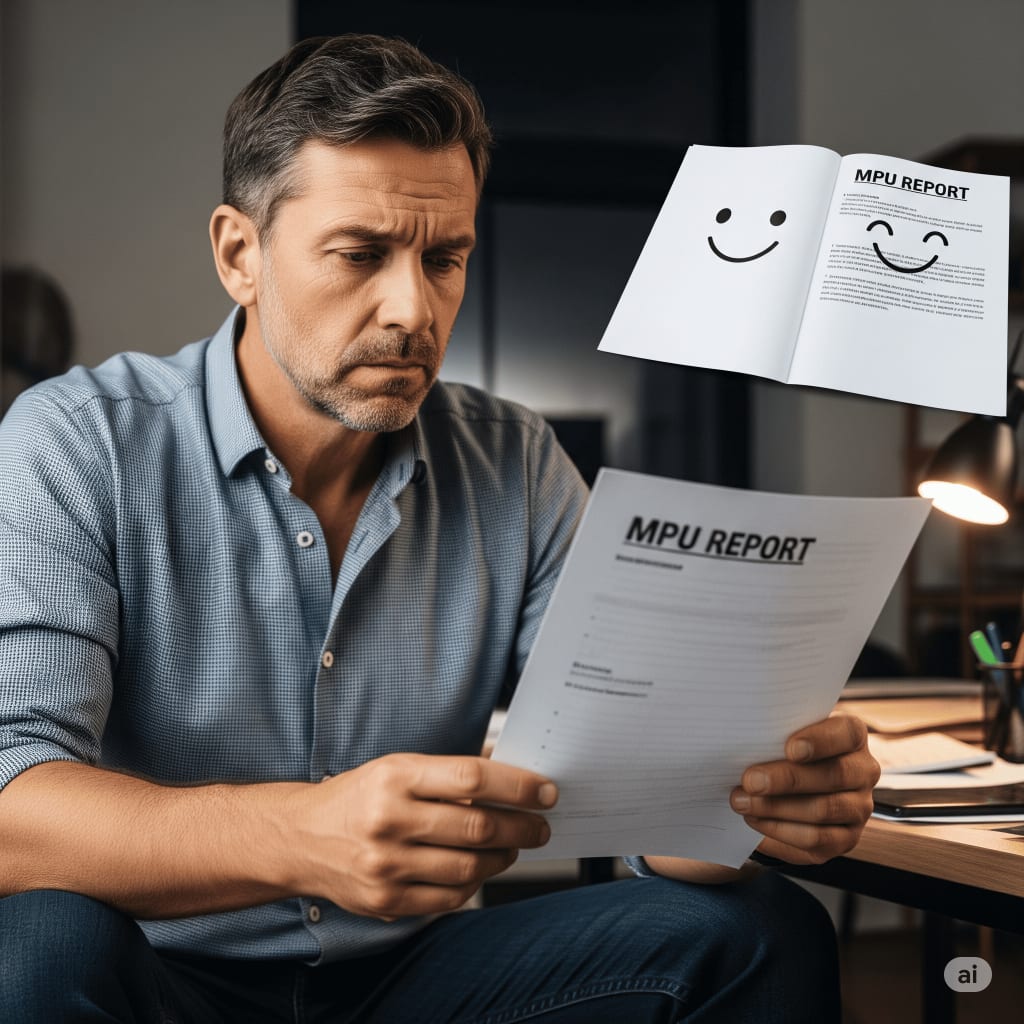
Being told you failed the MPU — the medical-psychological assessment required in Germany for certain serious driving offenses — can be devastating. Many who undergo the MPU process do so under pressure, hoping for a swift return of their license. When the result is negative, it often brings shame, frustration, confusion, and a sense of helplessness.
But here’s the truth: a failed MPU is not the end of the road.
Instead, it's a signal that more reflection, change, and preparation are needed. German authorities are not trying to punish you endlessly — they're seeking reassurance that you're now safe and responsible behind the wheel. If your first attempt didn’t provide that reassurance, your next one absolutely can.
Let’s break down how to make that happen.
What a Negative MPU Report Really Means
A negative MPU doesn’t just mean “you didn’t pass.” It means the experts evaluating you — psychologists, doctors, and possibly toxicologists — weren’t convinced that you’re ready to resume safe driving behavior.
The reasons behind this vary:
- You may not have shown enough insight into your past mistakes.
- Your abstinence period (from alcohol or drugs) may have been too short or poorly documented.
- You might have downplayed the seriousness of your offense.
- Your behavioral change wasn’t clearly demonstrated.
- You gave the impression that you were only saying what the experts wanted to hear — not what you truly believe.
Understanding these psychological and communicative nuances is key to improving your next result.
The Psychological Core: Insight and Change
The MPU is based on psychological evaluation — not on technical driving knowledge or simple yes/no questions. Its core lies in understanding your past and proving real change.
If you failed, ask yourself honestly:
- Did I truly understand why my behavior was dangerous or irresponsible?
- Did I explain convincingly how I’ve changed since the incident?
- Did I connect my behavior with personal factors like stress, lifestyle, peer pressure, or poor coping skills?
- Was I open about any ongoing risks or challenges?
Insight means recognizing what led to your mistake — not just the event itself, but the inner mechanisms behind it. Change means explaining how you’ve addressed those issues, through therapy, abstinence, life changes, or psychological growth.
If these weren’t clear to the evaluator, the report will reflect it — usually in a negative form.
Typical Reasons for Failing the MPU
To move forward, it helps to identify common patterns of failure. Many failed MPUs fall into a few recurring categories:
1. Lack of Authenticity
People memorize standard answers they find online or in forums. But examiners can quickly tell when someone is giving scripted responses. Authenticity matters.
2. Poor Preparation
Some candidates think they can “wing it.” Without professional preparation or a proper understanding of what’s expected, it’s almost impossible to pass.
3. Incomplete Abstinence
If you're trying to prove sobriety — especially after drug or alcohol offenses — your abstinence must be long enough (6–12 months), medically documented, and consistent.
4. Minimal Behavior Change
Just stopping a behavior isn't enough. The evaluator needs to see why you stopped, how you stay committed, and what you've learned from it.
5. Failure to Reflect Emotionally
The MPU is not only about logic — it's also emotional. Saying “I understand” is not enough. You must show how you felt about the incident, how you feel now, and how that influences your actions.
What Happens After Failing the MPU?
Failing the MPU doesn’t mean an automatic ban from trying again. However, it delays the process and often resets certain timelines, especially abstinence periods.
Here’s what typically follows:
- You receive a negative written report (after approx. 2–3 weeks).
- The driver's license authority (Fahrerlaubnisbehörde) is informed.
- You remain unfit to drive.
- You must start new preparations, often with a longer abstinence period and deeper evaluation.
- A second MPU can only be attempted after meeting all conditions again.
Next Steps After a Failed MPU: Your Comeback Plan
To successfully pass the next MPU, you need a systematic and honest strategy. Here are the major steps involved:
1. Analyze the MPU Report Thoroughly
The first thing you must do is read your MPU report in detail — or better, have it reviewed by a specialized lawyer or MPU coach. Look for the specific reasons for the failure.
Ask:
- Was it lack of abstinence?
- Psychological inconsistencies?
- Emotional detachment?
- Vague future planning?
This will help you pinpoint exactly what to improve.
2. Begin or Restart Abstinence
If the negative report mentions insufficient abstinence, start over. Depending on the substance and situation, you may need:
- 6 months for moderate alcohol/drug issues
- 12 months for heavier or repeated usage
- Hair testing or urine screening, with proper certification (EtG, Drogen-Screening)
Start this process under medical supervision to ensure it's accepted at your next MPU.
3. Start Psychotherapeutic Counseling or Coaching
Real change often requires help. A psychotherapist or certified MPU coach can guide you through self-reflection, habit tracking, stress management, and preparing your emotional narrative.
This not only increases your chance of passing but also supports your overall mental well-being.
4. Keep a Reflective Journal
Start keeping a personal record of:
- How you think and feel about your past offense
- What changes you’ve made in your life
- What triggers you've identified and how you handle them
- How you approach driving today vs. before
This material helps you speak more clearly and honestly in the next MPU — and helps you develop emotional authenticity.
5. Rebuild Your Daily Life
If the incident was part of a broader problem (alcohol abuse, lifestyle issues, peer pressure), you must show environmental change:
- New social circles
- Healthier routines
- Stable employment or training
- Time management and personal goals
Examiners want to see a long-term shift, not just temporary improvement.
How Long Should You Wait Before a Second MPU?
There’s no fixed rule, but most people wait at least 6–12 months to reapply. This depends on:
- The nature of the failure
- The length of abstinence required
- Recommendations made in the MPU report
Use this time to build a rock-solid foundation for your next evaluation. Rushing the second MPU almost always leads to another failure.
Can a Lawyer Help After a Failed MPU?
Yes — especially when it comes to:
- Requesting your full MPU documentation
- Evaluating legal options for challenging administrative errors
- Advising you on how to approach the second MPU
- Coordinating with the Fahrerlaubnisbehörde
- Helping reduce communication gaps with institutions
In borderline cases, an experienced verkehrsrecht anwalt (traffic law attorney) may help prevent unnecessary delays or miscommunication with authorities.
The Emotional Toll: Don’t Underestimate It
Failing an MPU takes a toll — not just on your mobility, but on your self-worth, social relationships, and often your employment. Many people experience:
- Guilt and shame
- Depression or anxiety
- Isolation or rejection
- Fear of repeated failure
This is why psychological support — not just legal — is critical. You’re not alone in this journey, and many others have come back stronger.
Conclusion: From Rejection to Redemption
Failing the MPU may feel like society is rejecting you. But the truth is: it’s a chance to rebuild, reflect, and return — as a stronger, more responsible driver and individual.
By honestly addressing your past, investing in real change, and preparing with the right support, you can turn this setback into a powerful turning point.




Comments (1)
Failing the MPU is rough, but it's not the end. Understanding why you failed is key. Maybe you didn't show enough insight into your mistakes. How can you better explain your change? Also, were you honest about your past behavior? We need to figure this out for a better result next time.