
Ratul Puri's Long-Term Vision Aligns Sustainability with Economic Growth in India's Rapidly Evolving Energy Sector
Ratul Puri's Long-Term Vision Aligns Sustainability with Economic Growth in India's Rapidly Evolving Energy Sector

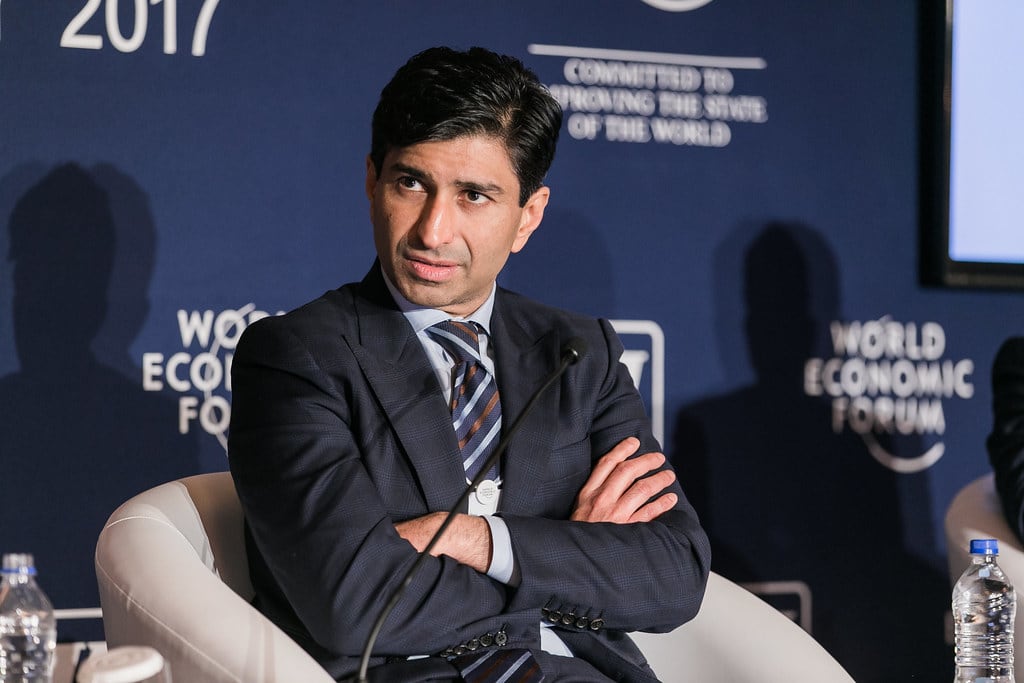
India, a nation of over 1.4 billion people, is undergoing a rapid transformation. With urbanization, industrialization, and a growing middle class, the country faces a dual challenge: to sustain economic momentum while addressing climate change. At the center of this pivotal shift is Ratul Puri, the Chairman of Hindustan Power, whose strategic vision and innovative mindset are setting a new benchmark for integrating sustainable energy practices with economic advancement.
In this article, we explore how Ratul Puri's long-term vision is not only reshaping India's energy infrastructure but also setting the groundwork for a cleaner, more inclusive, and economically robust future. We'll unpack the strategies, milestones, and real-world impacts of his leadership, and examine how his values align with India’s national and global energy goals.
Who Is Ratul Puri? A Glimpse Into His Journey
Early Life and Education
Ratul Puri is a seasoned entrepreneur with an academic foundation from Carnegie Mellon University, where he majored in computer engineering, mathematics, and economics. His multidisciplinary education laid the groundwork for a tech-driven, analytical approach to business and sustainability.
Rise to Leadership
Ratul began his career in the finance sector before turning toward infrastructure and power. Founding Hindustan Powerprojects Pvt. Ltd., he quickly established the company as one of India's leading independent power producers. His firm is recognized for its diversified portfolio, including thermal, hydro, and renewable energy projects across India and abroad.
Visionary Recognition
As a Young Global Leader by the World Economic Forum and a recipient of multiple national and international awards, Ratul Puri's influence extends beyond boardrooms. He is frequently invited to speak at energy summits, policy roundtables, and forums focused on sustainability and infrastructure development.
The State of India's Energy Sector
India ranks third globally in electricity consumption. While the country has made strides in electrification and capacity expansion, challenges such as carbon emissions, energy access, and aging infrastructure remain.
- Current Energy Mix (as of 2024):
- Thermal (coal and gas): ~55%
- Renewable Energy (solar, wind, hydro, biomass): ~42%
- Nuclear: ~3%
- Target by 2030:
- 500 GW of non-fossil fuel capacity
- Net-zero emissions by 2070 (as pledged at COP26)
In this landscape, leaders like Ratul Puri are vital for bridging gaps between policy ambitions and on-ground execution.
Ratul Puri’s Sustainable Business Philosophy
Innovation-Driven Growth
Under Puri's leadership, Hindustan Power has consistently emphasized technological innovation. The company was among the first in India to deploy large-scale solar farms using advanced tracking systems and high-efficiency panels.
Clean Energy at Scale
Ratul Puri has spearheaded the commissioning of over 1,000 MW of solar power capacity, both in India and internationally, including in countries like Germany, Italy, and the U.S. This not only underscores the company's engineering prowess but also its commitment to carbon neutrality.
Economic Multiplier Effect
Ratul Puri firmly believes in the economic benefits of green energy:
- Job Creation: Solar and infrastructure projects employ thousands, especially in rural and semi-urban areas.
- Local Development: Hindustan Power integrates community development, education, and healthcare in project zones.
- Supply Chain Boost: Solar and thermal plants stimulate local industries, from manufacturing to logistics.
Hindustan Power: A Case Study in Balanced Growth
The Murethi Thermal Plant (Madhya Pradesh)
A 1,200 MW coal-based plant, this project was developed with state-of-the-art environmental safeguards. Despite being a thermal project, it meets rigorous pollution control norms and integrates sustainable practices.
Solar Parks in Tamil Nadu & Chhattisgarh
These solar projects are examples of high-efficiency, fast-paced execution, often commissioned ahead of schedule. They serve as templates for upcoming developers in India’s solar sector.
International Presence
Hindustan Power’s solar forays in Europe and North America helped the company absorb global best practices and apply them in Indian contexts.
Sustainability as a Competitive Advantage
Environmental Responsibility
Beyond regulatory compliance, Hindustan Power has adopted voluntary ESG benchmarks. The company is investing in:
- Smart grid systems
- Energy storage solutions
- Water-efficient cooling technologies
Social Inclusiveness
From skill development centers to scholarships for underprivileged students near project sites, Ratul Puri’s vision extends to holistic upliftment.
Transparent Governance
As part of global reporting frameworks, the company publishes detailed ESG reports, reinforcing stakeholder trust and investment attractiveness.
Expert Opinions on Ratul Puri's Impact
Industry Leaders
"Ratul Puri's approach exemplifies how infrastructure can be both profitable and sustainable. He’s setting the gold standard for Indian developers."— Dr. Sunita Narain, Director General, Centre for Science and Environment
Policy Makers
"Entrepreneurs like Ratul Puri are essential partners in achieving India’s 500 GW renewable energy target. They bring capital, talent, and speed." — Shri R.K. Singh, Minister of Power and New & Renewable Energy
The Economic Upside of Sustainability
Lower Operational Costs
Renewable projects, once capital-intensive, now offer low operational costs with predictable ROI.
Investor Interest
Institutional investors increasingly favor green portfolios. Hindustan Power has attracted global green funds due to its clean asset base.
Export Potential
With growing global interest in Indian solar and renewable tech, Hindustan Power’s IP and execution model are seen as exportable assets.
Pros & Cons of the Sustainability-Driven Energy Model
Pros:
- Long-term environmental benefits
- Economic growth through green jobs
- Global investor confidence
- Brand credibility
Cons:
- High initial investment
- Land acquisition challenges
- Regulatory delays in project approvals
Frequently Asked Questions (FAQs)
- Is Ratul Puri focused only on solar energy?
No. While solar is a key focus, his company also works on thermal and hydro projects with sustainable enhancements.
- How is Hindustan Power different from other energy companies?
It combines sustainable engineering, global best practices, and social development, making it a balanced growth model.
- What makes Ratul Puri an influential leader?
His ability to integrate policy, technology, and community needs into a cohesive and scalable energy strategy.
Conclusion: Vision with Impact
Ratul Puri, through his role as Chairman of Hindustan Power, exemplifies how visionary leadership can align with national priorities and global sustainability goals. His ability to balance environmental responsibility with economic growth makes him one of the most forward-thinking leaders in India’s energy space.
From large-scale solar farms to high-efficiency thermal plants, his work is a testament to what modern infrastructure should look like: smart, sustainable, and inclusive.
About the Creator
Chinmaya Singh
Chinmaya Singh is a professional blogger with 6+ years of experience, writing on entrepreneurship, business, and industry, helping readers gain insights into success and growth strategies.
Keep reading
More stories from Chinmaya Singh and writers in Journal and other communities.
Top Businessman Ratul Puri Breaks Silence on the Future of Clean Energy—Here’s What He Said
When it comes to India's clean energy revolution, few names carry the weight of Ratul Puri. As the Chairman of Hindustan Power, one of India’s largest integrated power companies, Puri has long been a silent force behind the nation’s energy transformation. But now, in a candid and forward-looking address, this top businessman is finally opening up about what he believes is the future of clean energy in India.
By Chinmaya Singh6 months ago in Journal
Why Antennas Are Quietly Powering the Connected Future
You never see the moment connectivity almost fails. There’s no warning when a signal weakens, no headline when a network holds instead of collapses. Yet behind every seamless scroll, instant upload, and perfectly timed navigation cue, a hidden system is working relentlessly to keep the world stitched together. At the heart of that system is a technology so overlooked it’s practically invisible until it isn’t.
By Andrew Hamilton6 days ago in Journal


Comments
There are no comments for this story
Be the first to respond and start the conversation.