
Rafael Caro Quintero Extradited: A Turning Point in the U.S.-Mexico Drug War
The Notorious Drug Lord Faces Justice in the U.S. Decades After the Murder of DEA Agent Kiki Camarena

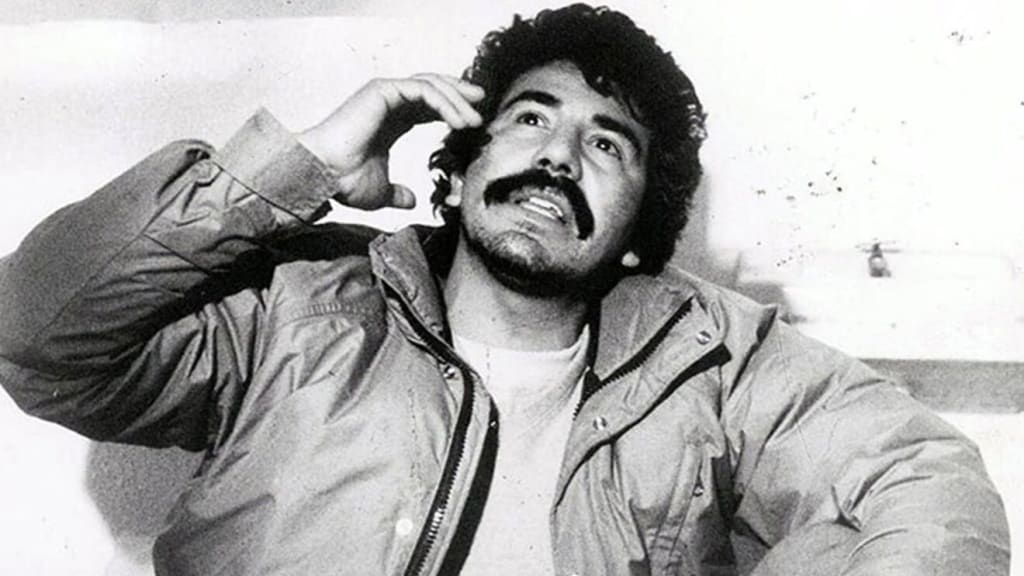
Rafael Caro Quintero, often referred to as the "Narco of Narcos," is one of the most notorious figures in the history of organized crime. As a co-founder of the Guadalajara Cartel, Caro Quintero played a pivotal role in shaping Mexico's modern drug trade. From his humble beginnings in Sinaloa to his rise as a cartel kingpin and his eventual capture and extradition to the United States, his story is one of ambition, violence, and the relentless pursuit of justice. This article delves into his life, criminal empire, and the lasting impact of his actions on Mexico and beyond.
Early Life: A Struggle for Survival
Rafael Caro Quintero was born on October 24, 1952, in La Noria, Badiraguato, Sinaloa—a region known for producing some of Mexico's most infamous drug lords. Caro Quintero was the eldest of 12 children in a family that struggled to make ends meet. His father passed away when he was just 14 years old, leaving him with the responsibility of supporting his mother and siblings.
In his early years, Caro Quintero worked as a cattle rancher and laborer on corn and bean plantations. However, he soon realized that cultivating marijuana was far more lucrative than traditional farming. By his late teens, he began growing marijuana on a small scale at his brother’s ranch. This marked the beginning of his journey into the world of drug trafficking12.
The Guadalajara Cartel: A Criminal Empire
In the late 1970s, Caro Quintero co-founded the Guadalajara Cartel alongside Miguel Ángel Félix Gallardo and Ernesto Fonseca Carrillo. The cartel quickly became one of Mexico’s most powerful criminal organizations, dominating the marijuana and cocaine trade between Mexico and the United States. Caro Quintero’s leadership and innovation were instrumental in its success.
Rancho Búfalo: The Marijuana Empire
One of Caro Quintero’s most infamous ventures was Rancho Búfalo, a massive marijuana plantation in Chihuahua spanning over 2,500 acres—equivalent to 1,000 football fields. The plantation produced thousands of tons of marijuana annually and brought in millions of dollars for the cartel. However, its discovery by U.S. Drug Enforcement Administration (DEA) agent Enrique “Kiki” Camarena led to its destruction by Mexican authorities in 1984. This event set off a chain reaction that would ultimately lead to Caro Quintero’s downfall.
The Murder of Kiki Camarena: A Turning Point
The destruction of Rancho Búfalo enraged Caro Quintero and other cartel leaders. Believing that Kiki Camarena had provided intelligence to U.S. authorities, they sought revenge. On February 7, 1985, Camarena was kidnapped in broad daylight by cartel operatives with the help of corrupt Mexican officials.
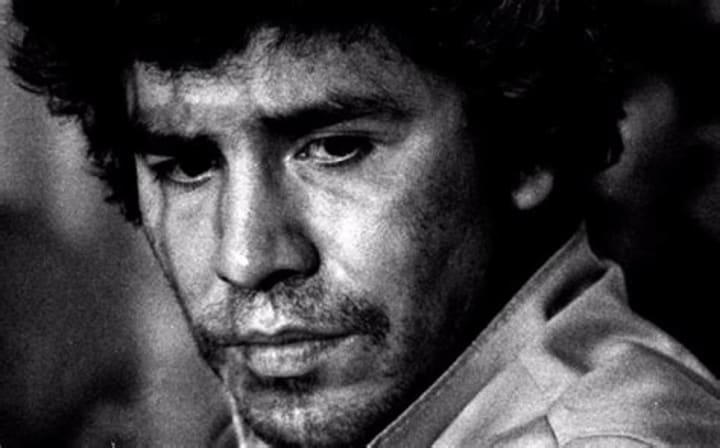
Camarena was taken to a property owned by Caro Quintero in Guadalajara, where he was brutally tortured for over 30 hours before being killed. His body was later found dumped in a roadside ditch alongside that of his pilot, Alfredo Zavala Avelar. The murder shocked the world and intensified U.S.-Mexico cooperation against drug cartels.
Arrest, Imprisonment, and Release
Caro Quintero fled to Costa Rica after Camarena’s murder but was arrested later that year and extradited to Mexico. In 1985, he was convicted of multiple crimes, including Camarena’s murder, and sentenced to 40 years in prison.
While incarcerated, Caro Quintero continued to wield influence over drug trafficking operations through family members and associates. However, in 2013—after serving 28 years—he was unexpectedly released from prison due to a legal technicality. His release sparked outrage in both Mexico and the United States.
Life on the Run
Following his release, Caro Quintero went into hiding but remained active in organized crime. He allegedly re-established connections with drug trafficking networks and became involved with factions of the Sinaloa Cartel. In 2018, he was added to the FBI's Ten Most Wanted Fugitives list with a $20 million reward for information leading to his capture—the highest bounty ever offered for a fugitive at that time.
Capture and Extradition
After nearly a decade on the run, Caro Quintero was arrested again in July 2022 by Mexican authorities during an operation in Sinaloa. On February 27, 2025, he was extradited to the United States along with 28 other individuals wanted for various crimes related to drug trafficking.
His extradition marks a significant victory for U.S. law enforcement agencies seeking justice for Kiki Camarena’s murder. Acting DEA Administrator Derek Maltz stated that it sends a clear message to cartel leaders: “No matter how long it takes or how far you run, justice will find you”.
Legacy: The Impact on Mexico’s Drug Trade
Caro Quintero’s actions had far-reaching consequences for Mexico’s criminal landscape:
- Fragmentation of Cartels: After his arrest in 1985, the Guadalajara Cartel disintegrated into smaller factions that evolved into today’s major cartels—such as the Sinaloa Cartel and Juárez Cartel.
- Increased Violence: The power vacuum left by his capture contributed to escalating violence among rival cartels vying for control.
- U.S.-Mexico Relations: His case highlighted corruption within Mexican law enforcement and judicial systems while strengthening bilateral efforts against organized crime.
Conclusion
Rafael Caro Quintero’s story is emblematic of the complexities surrounding Mexico’s war on drugs. From his rise as a pioneering drug lord to his eventual capture and extradition decades later, he remains one of the most infamous figures in narco history.
While justice may have finally caught up with him, the legacy of violence and corruption he helped create continues to haunt Mexico today. His life serves as both a cautionary tale and a grim reminder of the human cost associated with organized crime.
About the Creator
Jack Brel
At Vocal Media, I am excited to be a part of a platform that values creativity and original content. I am confident that my skills and experience will enable me to create impactful campaigns and bring value to the Vocal Media community
The goals I did not achieve
Every writing goal I made for the year is a wash. It has been this way for a while, but I think it's important to be open about my failures and the reality of how life can get in the way. This is especially true considering the several times I have posted on Vocal about my writing goals, how I was changing my approach, and where I was hoping to be for the upcoming year. I will probably do that again in a couple months, but for now, it is time to acknowledge where I am today.
By Kay Husnick24 days ago in Journal
Which Tasks Benefit Most From a 1080p Desktop Monitor?
Screens guide how people work, learn, and relax every day. A clear screen reduces eye stress and keeps the mind fresh. Recent data show that 1920×1080 (Full HD) remains the most common desktop screen resolution worldwide, with a share of around 20 to 22 percent of all desktop displays in 2025.
By Gabriella Browne5 days ago in Journal




Comments
There are no comments for this story
Be the first to respond and start the conversation.