
Racism in the Work Place
A Summer Camp Experience
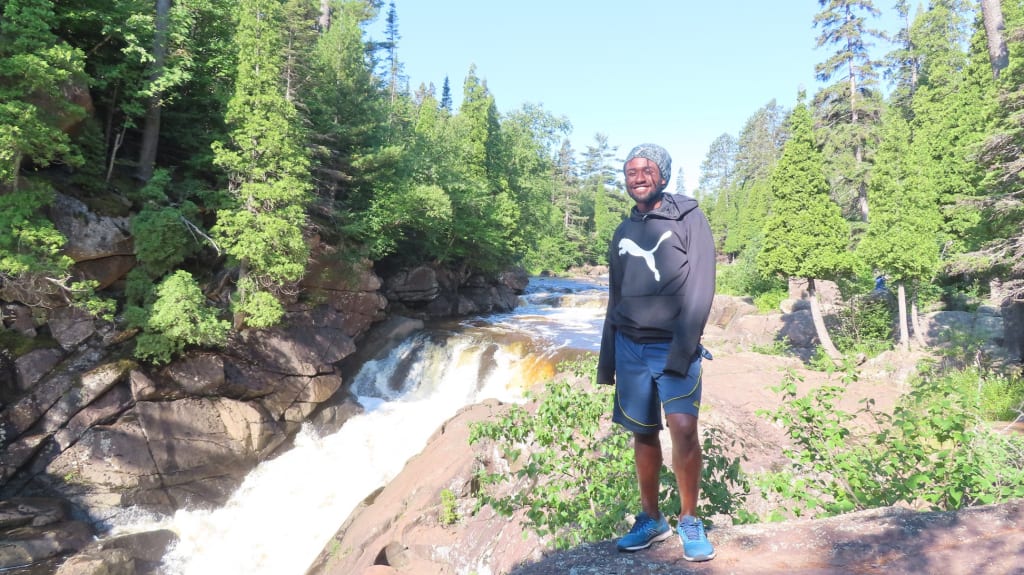
It all started last summer when I was finding work opportunities that applied to what I wanted to gain for experience occupationally. After utilizing handshake, I found a summer camp work opportunity I thought I would get a great experience from. It was a overnight 8 week long camp in Northern Wisconsin. The camp was fairly expensive. I mean parents would pay about 5000.00 a session to bring their kid to camp for 4 weeks. Never would have imagined going to work at a summer camp in Northern Wisconsin. After interviewing with the summer camp staff, I instantly thought, wow this will be an awesome experience for me! After realizing I had the job, I was so anxious about all the campers I could impact and the new people I could meet. 24 hours after hearing I got the summer job, I packed my bags and moved to Wisconsin for the summer to be a counselor for awesome campers.
However, it was during the interview session when I realized that there may be one small challenge that I would struggle with which, was the lack of diversity. I realized this during the interview when the interviewer mentioned, "I will warn you. This is a very white camp". So first off, I greatly appreciated the interviewer warning me about the lack of diversity at the camp but, so many thoughts came to me during that statement. Is this something that the interviewer may tell other prospective counselors with minority background? Is there a sense of pride in that statement that it is a white camp and will always be a white camp? Is this something rooted off of the background of the camp? I don't know. I will be truthful. Those thoughts were going through my head on the way to Wisconsin.
Let's fast forward upon arriving to camp. When I arrived to camp, I was excited to arrive to an overnight camp for the first time. Growing up, I never knew what it was like. Everyone was nice and the scenery was amazing. When observing the camp staff, I realized there weren't many black people. I looked at the walls of the dining area and all of the previous camp pictures were primarily white people. At this camp, a camper's great great grandfather could have attended this camp.
Yes, we can say that diversity isn't just about race but, this writing is about racial diversity. Let me make this clear. There were people from different countries but, most of the staff was from the US. Much of the staff was white identifying and there were very few that weren't white identifying except for the kitchen staff which, were latino identifying. We could get into a whole different story about workers from other countries and little monetary benefits received due to VISA process and the challenges they experienced but, that isn't what this reading is about.
Fast forward to camper moving in. During the first session, I had the pleasure of meeting such amazing campers in my cabin. All of them were so unique in their own ways. But, the atmosphere within the cabin was where it started. Yes, these are 9-10 year olds I was working with in the first session but, words hurt a person. One day, I walked in on a conversation the campers were having about saying the word Nigga. Now, we can say kids know better but, when you hear a couple other campers in the cabin standing up for what's right, you start to question that. As a counselor, I stepped in and set the rules that we don't have those types of conversations. Counselor staff I gained good relationships with talked to me about how campers said racists things about other campers. For example, there was this camper that called another black camper a monkey. Now, of course, maybe the camper that did the name calling didn't realize how offensive it was because white privilege which, is a whole other conversation. Campers then apologized. As a black man, when I hear that language, it's hard to forgive because these kids don't get this type of language from themselves. They get it from others in their life.
Fast forward to the camping trip we went on. Going into the second day of kayaking, we made a stop at a camping area and had some snacks. When going to my tent and then coming back to the campfire, my campers were saying things like "Delaydia, why do you where your hair like that?" or "Delaydia, can I touch your hair?" or "OMG why are you doing that? that's sooooo gay". Counselors then came in and corrected the conversation so that the campers would stop.
Hearing conversations between campers that worried me wasn't the only thing that didn't put me at ease. It was also the dialogue exchanged between staff members as well. Like one of the camp administrators said, "this is the honeymoon phase". The honeymoon phase is a term that refers to everyone getting along but, then overtime eventually challenges increase within those relationships made. I will be honest. I enjoyed many people at the camp but, after hearing the conversations in the staff lounge, it hurt me. From conversations about logic being able to say the word nigga, uncaringly saying black jokes, to even having uncomfortable conversations about race in general. We can say, Delaydia, you can't take a joke but, when black jokes are said so often it starts to get uncomfortable. It was quite apparent that a room full of white men in the camp staff lounge was so unaware of how a couple black staff members felt that were in that room. After hearing these conversations, it made me uncomfortable. It made me uncomfortable to build relationships in the workplace with other staff. I began to build a bit of social anxiety.
Then, near the end of camp, was the experience that really hurt me the most. I was playing a game with the older campers which, were 14-15 years of age. The game was pretty fun and I had an enjoyable time with the campers. It was a point to where there was some down time during the game and the teens started to gather up and have conversation. I was one of the few counselors standing in the field we were in so it was quite silent. You could clearly hear what the campers were talking about. As I listened closer I heard "Hey. Im black you guys. I am a real blood". One of the kids even mentioned how "white people are so much better than black people". After hearing that I wasn't happy at all. I went to one of the camp administrators and told him to pull aside the group. The group of boys that were involved simply apologized and he dismissed them to go to their cabins. At that moment, there was no recording of names or anything to keep track of who the boys were. A day later, they pulled aside one camper and made him apologize. When the camper came to me, he was crying. I didn't get why one camper out of of all of those campers came to apologize to me. Also, after mentioning this to the the lead camp administrator, he proceeded to say to me "Delaydia, I am very sorry for all of this that has happened". I told him thanks for apologizing but, after all that had happened I needed more than just an apology. I needed change. I wanted apologies from the parents of these campers. I wanted to letters from the camp expressing sincere apologies about this bad action.
In the exit meeting, with the camp administrator, we evaluated my performance. I mentioned the racism situation. I felt sort of bad afterwards because I felt like if I advocated more, I would have been advised to leave and go home if I wasn't happy at camp. I was told in the exit meeting that "I am always looking over my shoulder". As if I always feel like someone is doing something wrong to me. However, when you are put in a workplace as one of the few black males, how can that not affect your confidence, work performance, and happiness at your job when your background is tossed around in conversation like a joke.
In conclusion, workplace wellness should be taken seriously. Because I didn't feel well in my workplace, I became stressed, bitter, and anxious due to my surroundings. If your workplace isn't allowing a growth mindset, don't feel like you are the one wrong. Advocate for what you want right within your workplace.
About the Creator
Keep reading
More stories from writers in Journal and other communities.


Comments
There are no comments for this story
Be the first to respond and start the conversation.