
"President Putin's Latest Immigration Decree: Key Changes You Need to Know"
"Discover the Impact of Russia's New Immigration Policy on Foreign Nationals and Global Relations"

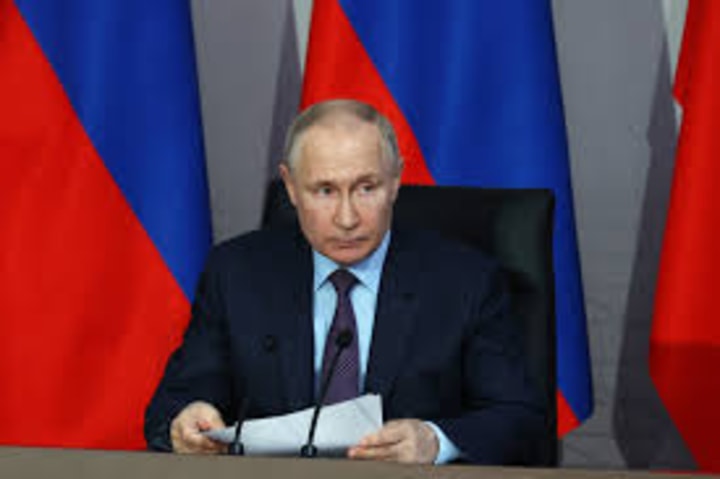
Vladimir Putin's latest immigration directive signifies a transformative adjustment in Russia's stance towards foreign nationals seeking residence. Signed on August 19, 2024, this directive allows non-citizens and stateless individuals to apply for temporary residency in Russia on "moral grounds." The policy specifically appeals to those who renounce what the Russian government labels as "destructive neoliberal ideological attitudes" prevalent in their homelands. Framed as a countermeasure to the persistent tensions with Western powers, the decree aims to attract those whose values resonate with Russia’s traditional ethos.
Key Revisions in the Immigration Directive
Streamlined Application Procedure
A prominent modification introduced by this decree is the streamlining of the application process for temporary residency. Prospective residents are no longer mandated to exhibit fluency in the Russian language or demonstrate a comprehensive understanding of Russian history and legal frameworks. Historically, these stipulations presented substantial hurdles for many potential immigrants. The elimination of these prerequisites is anticipated to facilitate easier relocation for individuals from diverse backgrounds, particularly those dissatisfied with the policies of their native countries.
Abolishment of Annual Quotas
The directive also eradicates the yearly quotas that previously capped the issuance of temporary residence permits. This adjustment permits a more adaptable immigration system, allowing a greater number of applicants to pursue residency without being restricted by government-imposed ceilings. This change is especially noteworthy as it creates opportunities for individuals from countries whose ideologies the Russian government deems contrary to its own.

Humanitarian Justifications for Application
Under the revised policy, applicants are required to submit a letter articulating their reasons for relocation, explicitly citing their disapproval of the neoliberal ideologies of their countries of origin. This element of the decree underscores a humanitarian perspective, framing the move as a sanctuary from perceived moral degeneration in the West. The Russian government has instructed its Foreign Ministry to compile a roster of countries with policies that conflict with "traditional Russian spiritual and moral values," which will further refine the immigration process.
Implications for International Applicants
Intended Audience
The new immigration policy is distinctly crafted for individuals who subscribe to what the Russian government delineates as "traditional Russian spiritual and moral values." This demographic includes those who feel alienated or oppressed by progressive policies in their home nations. Reports indicate that the decree could particularly attract conservative individuals from Western nations, including families seeking a lifestyle aligned with more traditional values, distancing themselves from what they perceive as a moral decline in their countries.

Route to Permanent Residency
The directive outlines a transparent pathway for temporary residents to transition to permanent residency. After maintaining a temporary residence permit for two years, individuals are eligible to apply for permanent status, granting additional privileges such as the right to work without requiring further permits and the ability to travel without the need for new visas. This route eventually opens the possibility of acquiring Russian citizenship, representing a substantial evolution in how Russia engages with foreign nationals.

Economic Incentives
For many prospective immigrants, the cost of living in Russia presents a significant economic incentive. Estimates suggest that the monthly living expenses for a family of four in Russia, excluding rent, average around $1,758—substantially lower than in numerous Western countries. This economic consideration, coupled with the newly revised immigration policies, may entice individuals seeking both a shift in lifestyle and financial reprieve.
International Response and Future Outlook
Global Diplomatic Reactions
Putin's decree has elicited varied reactions on the global stage. Some perceive it as a calculated strategy to attract individuals opposed to Western ideologies, while critics argue it represents an effort to further isolate Russia and advance a conservative agenda. The directive aligns with broader Russian policy trends emphasizing a revival of traditional values and a rejection of Western liberalism.
Possible Hurdles
Despite the appealing features of the new immigration policy, potential applicants should remain cognizant of the challenges that may arise throughout the application process. Although the decree simplifies several aspects, applicants must still furnish a range of documents, including medical certifications and evidence of a clean criminal record. Furthermore, navigating the Russian bureaucratic system can be intricate, and seeking professional guidance may prove beneficial.
Conclusion
In conclusion, President Putin's latest immigration decree represents a considerable shift in Russia's immigration framework, aimed at drawing foreign nationals who resonate with traditional Russian values. By streamlining the application process, abolishing quotas, and positioning the policy as a humanitarian endeavor, Russia seeks to portray itself as a sanctuary for those disillusioned with Western ideologies. As the policy unfolds, its influence on both international applicants and the broader geopolitical environment will warrant close observation. The long-term ramifications of this directive on Russia's global relationships and domestic strategies remain uncertain, yet it undoubtedly marks a pivotal juncture in the nation's approach to immigration.
About the Creator
David Snam
Greetings, I'm David Snam, a passionate storyteller weaving narratives that resonate with the heart and mind. My tales blend the surreal with the everyday, inviting you to explore worlds where the ordinary transforms into the extraordinary.
Keep reading
More stories from David Snam and writers in Journal and other communities.
"How a Ride-Hailing Prank War Between Nigeria and South Africa Exposed Gig Economy Vulnerabilities"
The entrenched rivalry between Nigeria and South Africa has taken an unexpected and peculiar turn, morphing into a prank war that involves the misuse of ride-hailing platforms such as Bolt and Uber. This unusual skirmish has not only spotlighted the underlying animosities between the two countries but also revealed the vulnerabilities faced by gig economy workers, who have found themselves unwittingly caught in this cross-border dispute.
By David Snamabout a year ago in Journal
The goals I did not achieve
Every writing goal I made for the year is a wash. It has been this way for a while, but I think it's important to be open about my failures and the reality of how life can get in the way. This is especially true considering the several times I have posted on Vocal about my writing goals, how I was changing my approach, and where I was hoping to be for the upcoming year. I will probably do that again in a couple months, but for now, it is time to acknowledge where I am today.
By Kay Husnick21 days ago in Journal
The Phoenix from the Ashes:
Toxic relationships, in their myriad forms, are insidious vines that can slowly strangle the life out of individuals, leaving them emotionally depleted, psychologically bruised, and often struggling to understand how they ended up entangled in such a destructive web. Whether romantic, familial, or platonic, these relationships are characterized by patterns of manipulation, control, disrespect, and a consistent lack of empathy. Escaping their grasp can be a grueling process, but it's a journey that ultimately leads to profound self-discovery and lasting personal growth. The lessons learned from overcoming toxic relationships are invaluable, shaping our understanding of ourselves, our boundaries, and what we truly deserve in life.
By Wilson Igbasiabout 7 hours ago in Journal




Comments
There are no comments for this story
Be the first to respond and start the conversation.