

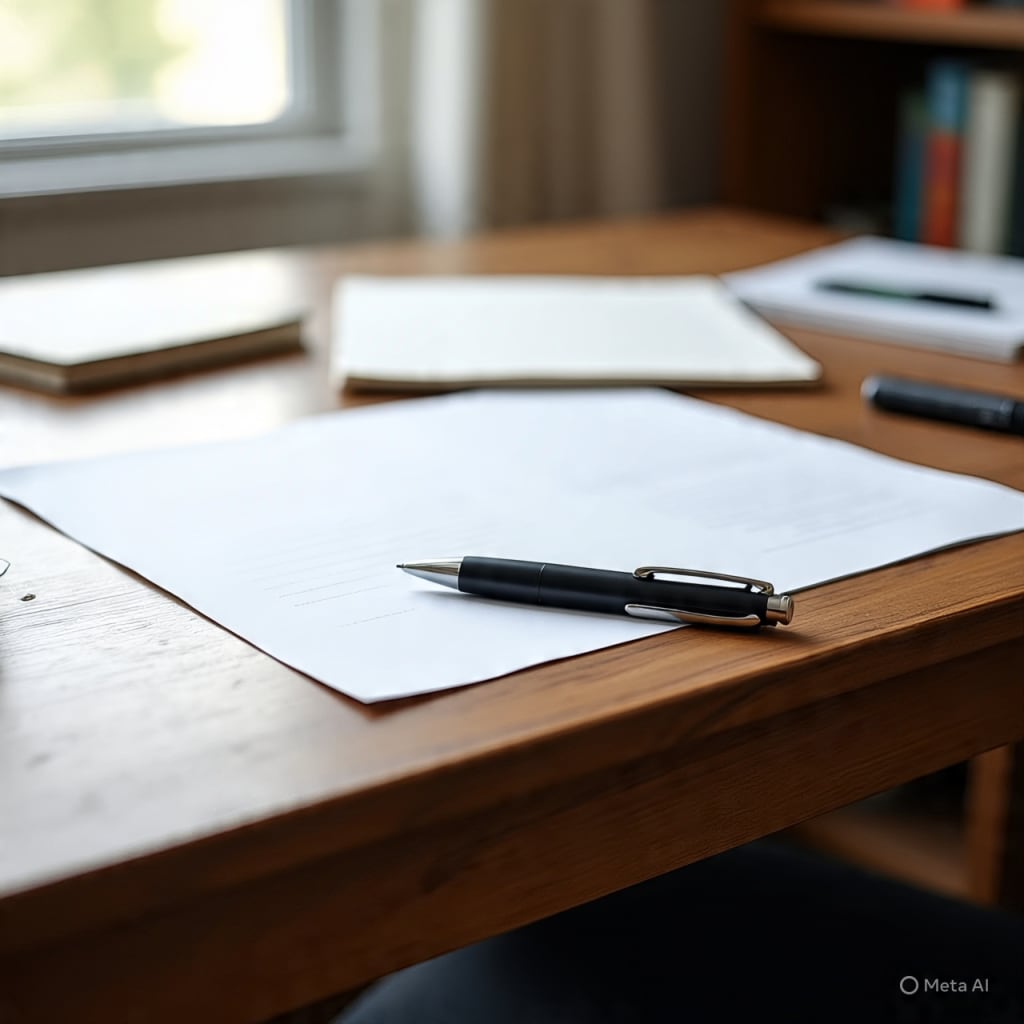
Power of the Pen: Silent Strokes, Loud Echoes
Throughout history, revolutions have been born not only from the clashing of swords or the roar of gunfire, but from the quiet scratch of a pen across paper. The phrase "Power of the Pen" encapsulates an eternal truth: that words—when carefully crafted, courageously expressed, and widely shared—possess a power greater than brute force. The subtitle “Silent Strokes, Loud Echoes” captures this paradox beautifully. Though writing may begin in solitude, its effects can ripple across time, shaping ideologies, toppling regimes, and stirring generations into action.
The Pen as a Tool of Transformation
At its core, the pen symbolizes thought, communication, and the ability to record and transmit ideas. Unlike weapons, which silence and destroy, the pen enables creation, connection, and reflection. It allows us to articulate experiences, express dissent, and preserve culture. Words can soothe or stir, clarify or confuse, heal or harm—but above all, they endure. A dictator’s rule may fall, but a written word can live on, inspiring people long after the ink has dried.
Take for example the writings of Mahatma Gandhi. His philosophy of nonviolent resistance—articulated in letters, essays, and speeches—ignited a movement that liberated millions without firing a bullet. Martin Luther King Jr. was likewise a master of the pen; his “Letter from Birmingham Jail” remains one of the most compelling defenses of civil disobedience ever written. These were men who understood that true power lies not only in physical might, but in the clarity and conviction of ideas.
Literature and the Human Spirit
The power of the pen is also evident in literature’s capacity to awaken empathy and broaden understanding. A novel or poem can bring us face-to-face with unfamiliar lives, cultures, and truths. In doing so, literature breaks down barriers and fosters a shared sense of humanity.
Consider the impact of books like To Kill a Mockingbird by Harper Lee, which challenged racial prejudice through the eyes of a child, or 1984 by George Orwell, a chilling exploration of totalitarian control. These works didn’t just entertain—they provoked thought, sparked dialogue, and shaped public consciousness. They are examples of how fiction, though rooted in imagination, can wield profound social influence.
The pen is a mirror to the human soul, and in reflecting society, it can also help reshape it.
Journalism: The Watchdog of Democracy
In the hands of journalists, the pen becomes a sword of truth. Investigative reporting has played a crucial role in exposing corruption, holding leaders accountable, and giving voice to the voiceless. Without the freedom of the press, democracy withers.
Historical events like the Watergate scandal remind us of the vital role of journalism. Bob Woodward and Carl Bernstein, through persistent reporting, helped unveil one of the greatest political scandals in U.S. history—ultimately leading to the resignation of President Nixon. More recently, the release of the Panama Papers, a collaborative journalistic effort, exposed global tax evasion and forced political reckonings around the world.
Yet, this power comes with risk. Writers and journalists have often paid the ultimate price for their words. From Jamal Khashoggi to Anna Politkovskaya, many have been silenced for telling inconvenient truths. Their sacrifices underscore the danger—and necessity—of speaking out.
The Pen in the Digital Age
In today’s world, the traditional pen has evolved into keystrokes and pixels, but its influence remains potent. Social media posts, blogs, and online journalism now have the capacity to reach millions in seconds. A tweet can mobilize protests; a blog post can topple a corporation’s reputation. The digital pen is faster, louder, and more far-reaching than ever before.
However, this power must be wielded responsibly. The same tools that can spread truth can also propagate misinformation and hate. The ease of publishing has democratized expression, but it has also blurred the lines between fact and fiction. As readers and writers, we must approach this new terrain with a critical mind and an ethical compass.
Education and Empowerment
Perhaps the most empowering use of the pen is in education. Writing enables learning—not just by transferring knowledge, but by deepening understanding. When students are taught to write, they are taught to think. Writing sharpens the intellect, encourages reflection, and cultivates the ability to argue, persuade, and imagine.
The pen gives every individual the chance to contribute to the human story. From school essays to personal journals, from scientific papers to political manifestos, the act of writing helps us process the world and our place in it. It transforms passive observers into active participants.
For marginalized communities especially, the pen becomes a means of reclaiming voice and agency. Women, minorities, and the oppressed have used writing as a way to assert their identity and challenge dominant narratives. The words of Malala Yousafzai, Chimamanda Ngozi Adichie, Maya Angelou, and countless others have reshaped cultural landscapes and inspired movements.
The Echoes of the Silent Strokes
Every great movement, every shift in human consciousness, begins with an idea—and that idea is often first captured in writing. The U.S. Declaration of Independence, the Universal Declaration of Human Rights, the Quran, the Bible, the Communist Manifesto—all are collections of words that changed the course of history.
What makes writing so powerful is that it allows ideas to travel across time and space. A letter penned centuries ago can still stir the heart today. A manifesto written in hiding can become the spark of revolution. The strokes may be silent, made in solitude, but their echoes resound loudly through history.
Conclusion
In a world increasingly defined by noise and distraction, the pen remains a quiet but potent force. It doesn’t shout or strike—but it speaks, and it shapes. It captures the invisible—thoughts, emotions, dreams—and makes them tangible. It allows us to question, to remember, to dream, and to act.
The power of the pen lies not just in its ability to document, but to transform. Its silent strokes may begin in solitude, but their echoes can ring through time, influencing hearts, minds, and nations. So let us never underestimate it. Let us write bravely, read wisely, and remember: the mightiest weapons are not always forged in fire—but in ink.
About the Creator
shah afridi
I have completed my bachelor’s degree in English, which has strengthened my language and communication skills. I am an excellent content writer with a keen eye for detail and creativity.
Keep reading
More stories from shah afridi and writers in Journal and other communities.
The Ultimate Guide to Staying Healthy Every Day
The Ultimate Guide to Staying Healthy Every Day Staying healthy is a lifelong journey that requires attention to both your body and mind. In our fast-paced world, it can be challenging to maintain habits that promote wellness consistently. However, with a few simple steps and mindful choices, you can create a balanced lifestyle that supports your health every single day. Whether you want to boost your energy, improve your mood, or strengthen your immune system, this guide offers practical advice to help you thrive.
By shah afridi6 months ago in Journal
The goals I did not achieve
Every writing goal I made for the year is a wash. It has been this way for a while, but I think it's important to be open about my failures and the reality of how life can get in the way. This is especially true considering the several times I have posted on Vocal about my writing goals, how I was changing my approach, and where I was hoping to be for the upcoming year. I will probably do that again in a couple months, but for now, it is time to acknowledge where I am today.
By Kay Husnick21 days ago in Journal
Do You have a Support Network?
Life is harder when you’re on your own. Human beings are social creatures, and we usually feel better when we have support from a strong social network around us. For most people, it’s our families that hold us together like glue.
By Elizabeth Woodsabout 5 hours ago in Psyche


Comments
There are no comments for this story
Be the first to respond and start the conversation.