
Plastic to Oil Plant: Are Many Investors Interested?
Plastic to Oil Conversion
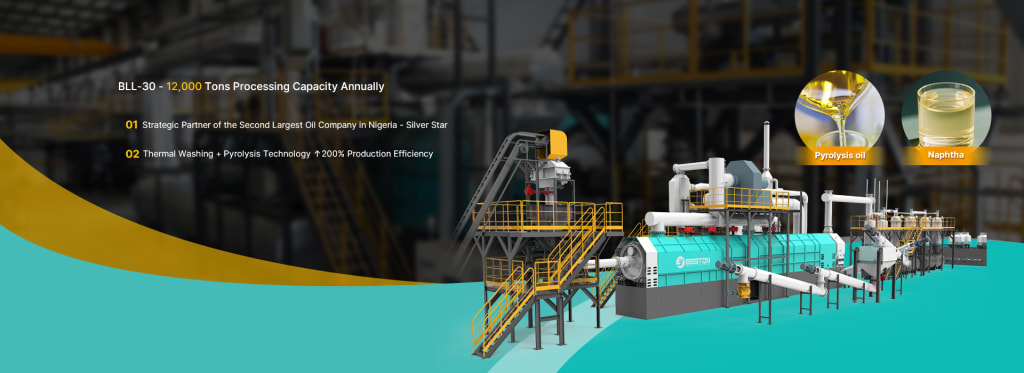
As global concerns about plastic pollution and the need for sustainable waste management grow, innovative technologies are emerging to tackle the issue. One such innovation is the plastic-to-oil plant, a technology that converts plastic waste into usable fuel. But the question remains: are many investors really interested in this type of business?
What is a Plastic to Oil Plant?
Plastic to oil plants are facilities designed to recycle plastic waste and convert it into oil-based products, such as diesel, gasoline, or kerosene. The process typically uses a technology called pyrolysis, which heats plastic in the absence of oxygen to break it down into liquid hydrocarbons. These hydrocarbons can then be refined into usable fuels.
This process promises a sustainable solution to two of the world’s most pressing issues:
- Plastic Waste: Millions of tons of plastic end up in landfills or the oceans each year, taking hundreds of years to decompose.
- Fossil Fuel Dependency: With the increasing demand for alternative energy sources, the ability to generate fuel from waste could reduce our dependence on oil.
Why Are Investors Interested?
Investors are always looking for opportunities that combine strong returns with positive environmental impacts. Plastic-to-oil technology seems to offer both, making it an attractive prospect for various stakeholders. Here's why:
1. Rising Demand for Waste-to-Energy Solutions
The concept of turning waste into valuable resources is gaining traction across the world. Governments are implementing stricter recycling regulations, and many industries are actively seeking ways to mitigate their environmental footprints. By converting plastic waste into oil, companies can both address the growing waste crisis and meet energy demands.
2. Circular Economy Potential
Plastic-to-oil technology supports the idea of a circular economy, where waste is continually recycled into new products. This sustainability model is especially appealing to investors who want to support long-term, eco-friendly business practices. As investors become more conscious of environmental, social, and governance (ESG) criteria, businesses with circular economy potential are increasingly in demand.
3. Government Support
Many governments worldwide are promoting green technologies and sustainability initiatives. Subsidies, tax incentives, and grants for waste-to-energy plants or green tech startups can make investments in plastic-to-oil plants more financially attractive.
4. Profitability
While the initial capital investment for setting up a plastic-to-oil plant can be high, the potential for profitability is significant. By turning plastic waste into fuel, companies can tap into the global energy market, where oil and gas are still highly lucrative industries. Moreover, as oil prices fluctuate, the price of the fuel derived from plastic waste could become more competitive, further driving demand.
Are Many Investors Interested?
The short answer is: yes, but with caution.
The plastic-to-oil sector has attracted increasing interest from investors, particularly those focused on clean energy and waste-to-energy solutions. However, the industry is still relatively new, and many investors are cautious about diving into the market due to the aforementioned challenges.
Private equity firms, venture capitalists, and impact investors are among the primary backers, with some focusing specifically on sustainable technologies. Large corporations, particularly those in the energy or waste management sectors, are also beginning to explore the potential of plastic-to-oil plants as part of their broader sustainability strategies.
That being said, the level of interest and investment varies widely depending on the region, the scale of the project, and the specific technologies used. Some investors may be more inclined to support smaller, pilot-scale operations, while others are betting on larger, industrial-scale plants with the potential for significant returns.
The Future of Plastic-to-Oil Plants
As the world continues to grapple with the dual challenges of plastic pollution and energy sustainability, the plastic-to-oil industry is likely to play an increasingly important role. With growing investor interest, technological advancements, and the potential for government support, the future of plastic-to-oil plants looks promising.
However, the sector will need to overcome key challenges like high startup costs and regulatory hurdles. As these obstacles are addressed, it's likely that more investors will be drawn to this promising yet complex industry.
About the Creator
Wild Card Weekend Recap: What Happens Now?
I think I figured out why I love Wild Card Weekend so much. It's because it's the first playoff anything of the calendar year. The NFL season starts in the fall, and once upon a time, the champion was crowned either on or slightly before New Year's. The evolution of the NFL schedule has resulted in the playoffs starting just into the New Year, and currently, the final week of the season falls on the first weekend of the New Year, with Wild Card Weekend coming a week after that. So yes, chronologically, the NFL's Wild Card Weekend serves as the first playoff anything of the calendar year.
By Clyde E. Dawkins5 days ago in Unbalanced



Comments
There are no comments for this story
Be the first to respond and start the conversation.