
Why Pyrolysis Needs to Take Place in an Anaerobic Environment
Explore Pyrolysis Conditions
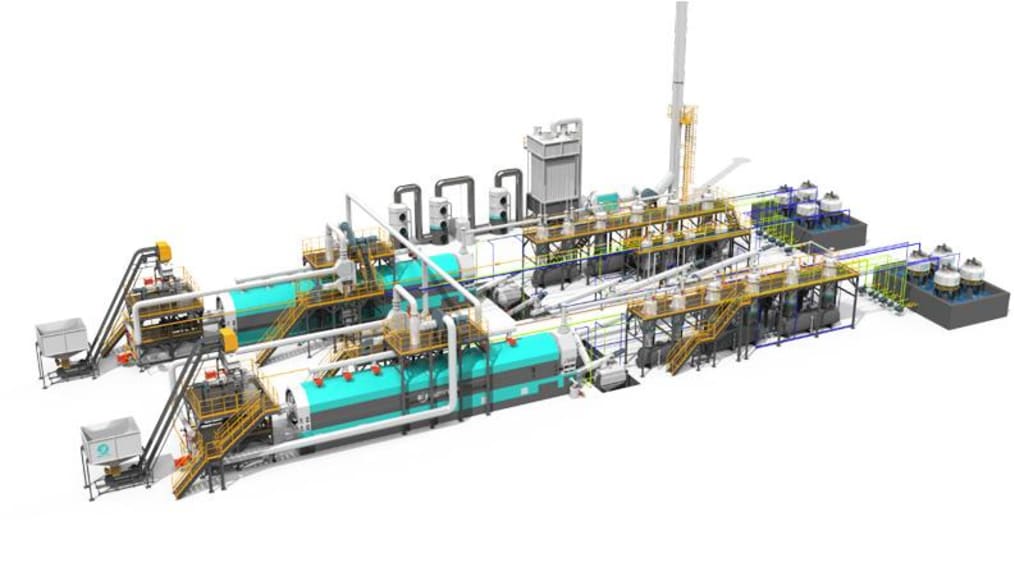
Pyrolysis, a thermal decomposition process of organic materials in the absence of oxygen, has gained considerable attention in various fields such as waste management, energy production, and biofuel generation. Unlike combustion, which requires oxygen to burn materials, pyrolysis occurs in an oxygen-free environment, and this condition plays a critical role in the efficiency and outcome of the process. In this article, we will explore why pyrolysis must take place in an anaerobic (oxygen-free) environment and what happens when this condition is not met.
1. Preventing Combustion
The primary reason for conducting pyrolysis in an anaerobic environment is to prevent combustion. Combustion is a chemical reaction where oxygen combines with carbon-based materials, producing heat, carbon dioxide (CO₂), and water vapor. If oxygen is present during pyrolysis, the material will combust rather than undergo the desired thermal decomposition.
In pyrolysis, the goal is to break down complex organic compounds, such as biomass, into simpler components: solid carbon (char), liquid (bio-oil), and gas (syngas). These products can then be further utilized for various purposes like energy generation or material recovery. If oxygen is present, the organic material would simply burn, releasing energy in the form of heat, and significantly diminishing the quality and quantity of the desired products. Explore pyrolysis plant details.
2. Efficient Breakdown of Organic Material
In an anaerobic environment, organic materials like plastics, wood, and agricultural waste are subjected to high temperatures, usually ranging between 300°C and 900°C, without the presence of oxygen. This enables the materials to decompose into useful products such as biochar, oils, and gases through a process known as cracking.
When oxygen is absent, the molecular bonds in the organic material break apart under heat, resulting in the production of bio-oil and gases like methane, carbon monoxide, and hydrogen. These products are valuable as renewable energy sources or chemical feedstocks for industrial applications. If oxygen were present, these valuable products would be oxidized, resulting in the production of undesirable by-products, primarily CO₂, which reduces the energy yield and efficiency of the pyrolysis process.
3. Controlled Decomposition for Product Quality
Pyrolysis is a delicate process that requires precise temperature control to ensure that the decomposition of organic materials yields the highest quality products. In an oxygen-free environment, the process can be controlled more effectively, with minimal interference from unwanted reactions that could occur if oxygen were present.
When oxygen is excluded, the decomposition of organic material can proceed in a predictable manner, with minimal formation of unwanted compounds such as dioxins or other hazardous by-products. The absence of oxygen allows the thermal decomposition to proceed slowly, which helps maintain the structural integrity of the desired products, such as biochar, which can be used in applications like soil improvement or carbon sequestration.
4. Enhancing Energy Efficiency
One of the key benefits of pyrolysis in an anaerobic environment is the ability to recover valuable energy products. Without oxygen, the process maximizes the energy potential of the organic materials. The syngas produced during pyrolysis can be used as a clean fuel to power engines or turbines, while bio-oil can be refined into biofuels or chemicals.
If oxygen were allowed into the system, the combustion process would release much of this energy as heat, making it less efficient. The goal of pyrolysis is to capture and utilize as much energy as possible from the feedstock without allowing for the uncontrolled release of heat and energy through combustion.
5. Preventing Environmental Harm
In addition to improving energy efficiency, performing pyrolysis in an anaerobic environment helps minimize the environmental impact. The combustion of organic materials with oxygen can produce pollutants such as particulate matter, nitrogen oxides (NOx), sulfur compounds, and CO₂, all of which contribute to air pollution and climate change.
By eliminating oxygen during pyrolysis, the process can produce cleaner emissions, primarily in the form of carbon-neutral gases like CO₂ and water vapor, if any emissions occur at all. This makes pyrolysis a more environmentally friendly alternative to other waste disposal methods like open burning or incineration, which can release harmful pollutants into the air.
Conclusion
Pyrolysis is a promising technology for converting waste materials into valuable products like biofuels, biochar, and chemicals. The process must take place in an anaerobic environment to prevent combustion, ensure efficient decomposition of organic materials, control the quality of the products, and enhance energy recovery. By keeping oxygen out of the process, pyrolysis avoids undesirable reactions that would otherwise reduce the efficiency of the system and increase the production of harmful pollutants.
As technology continues to improve, the use of pyrolysis in an oxygen-free environment may become even more widespread, helping to address critical challenges such as waste management, energy production, and sustainable resource recovery.
About the Creator
I Am the Opposite of AI: My Emotion Is for Sale
Sitting in a small café in France, I watch the world go by through a rain-streaked window. People pass with their heads down, glowing screens in their hands, connected to everything but feeling nothing. We live in an era where algorithms predict our next word, our next purchase, even our next thought. But as I sit here, a geological engineer who spent fifteen years in the frozen silence of Northern Canada, I feel like a glitch in the system. I am a human being who feels too much in a world that is learning to feel nothing at all.
By Magma Star2 days ago in Journal


Comments
There are no comments for this story
Be the first to respond and start the conversation.