
Plant-Based Yogurt Market Growth Forecast Driven by Key Trends
Rising Demand for Dairy-Free Options, Sustainability, and Flavor Innovations Propel the Plant-Based Yogurt Market Forward
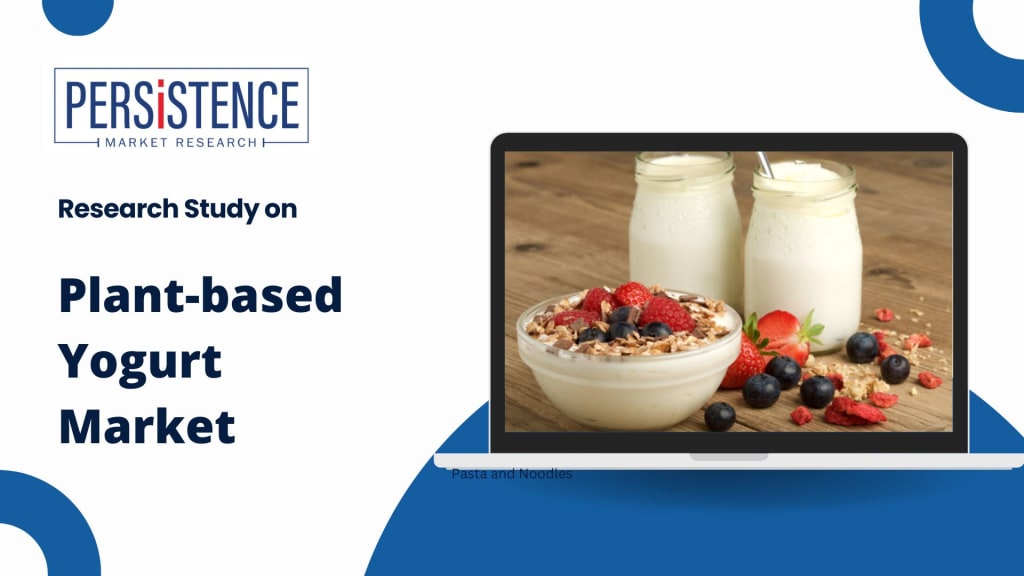
The global demand for plant-based products has skyrocketed, as consumers seek healthier, eco-friendly alternatives to traditional animal-based foods. Plant-based yogurt has become a star player in this movement, offering a dairy-free, lactose-free option for those with dietary restrictions or environmental concerns. This shift in consumer preference, coupled with rapid innovations in food technology, is propelling the growth of the plant-based yogurt market. The global plant-based yogurt market is forecast to expand at a CAGR of 13.3% and thereby increase from a value of US$4.5 Bn in 2023, to US$10.9 Bn by the end of 2030.
Here's a look at the growth forecast and the key trends shaping this dynamic industry.
Market Overview
The plant-based yogurt market is expected to experience significant growth in the coming years, with estimates projecting a robust compound annual growth rate (CAGR). Key drivers include the increasing vegan population, lactose intolerance awareness, and demand for sustainable food options. Innovations in flavor, texture, and nutrient content are enhancing the appeal of plant-based yogurts to a wider consumer base, from health-conscious individuals to environmentally aware buyers.
Key Trends Driving Market Growth
1. Rise in Vegan and Flexitarian Lifestyles
The surge in veganism and flexitarian diets has directly influenced the demand for plant-based foods, including yogurt. Consumers are increasingly adopting these diets to reduce their environmental footprint and improve personal health. Flexitarians, who primarily eat a plant-based diet but occasionally consume animal products, are also contributing to the steady growth of plant-based yogurt sales. As these lifestyle choices continue to gain popularity globally, the plant-based yogurt market is expected to benefit significantly.
2. Growing Awareness of Lactose Intolerance
Lactose intolerance affects approximately 68% of the global population, with especially high prevalence rates in Asia, Africa, and Latin America. Plant-based yogurt, made from non-dairy sources like almonds, coconuts, oats, and soy, offers an ideal alternative for lactose-intolerant consumers. Awareness of digestive health issues and the benefits of lactose-free options are spurring demand for plant-based yogurt, making it a strong substitute in both households and commercial kitchens.
3. Focus on Sustainability and Environment-Friendly Products
Concerns about the environmental impact of dairy farming are prompting consumers to switch to plant-based options. The production of plant-based yogurts generally requires fewer resources, such as water and land, and results in lower greenhouse gas emissions. This shift is also supported by companies that are committed to reducing their carbon footprint. Sustainable practices and eco-friendly packaging are becoming standard within the industry, further driving market growth.
4. Product Innovations and Flavor Diversity
In response to increasing competition, manufacturers are innovating rapidly to enhance flavor, texture, and nutritional content. Plant-based yogurts are now available in a wide variety of flavors, such as vanilla, berry, chocolate, and coffee, which appeal to a broader audience. Some companies are even incorporating probiotic strains to make plant-based yogurt an attractive option for gut health. Innovations like almond-cashew blends, low-sugar options, and fortified yogurts with added vitamins and minerals have made plant-based yogurt more comparable to traditional dairy yogurt, increasing its appeal.
5. Expansion in Retail Availability and Online Sales
With growing demand, plant-based yogurts are more widely available than ever. Supermarkets, health food stores, and online retailers are dedicating more shelf space to these products, giving consumers easier access to various brands and types. The surge in e-commerce has also contributed to market growth, with online grocery shopping providing an additional channel for plant-based yogurt sales, especially in regions with limited physical retail options.
Regional Insights
North America: As one of the largest markets for plant-based foods, North America is expected to lead in plant-based yogurt sales. High awareness of health and wellness, combined with a strong emphasis on sustainability, is driving consumer interest in plant-based alternatives.
Europe: The market in Europe is rapidly growing, driven by rising vegan populations in countries like the U.K., Germany, and France. European consumers are particularly drawn to organic and clean-label products, which align well with the plant-based yogurt offerings.
Asia-Pacific: As awareness of lactose intolerance rises in countries like China and India, the Asia-Pacific region presents substantial growth opportunities. Local brands are also beginning to enter the market, introducing regionally inspired flavors that cater to the local palate.
Latin America: In Latin America, plant-based yogurt is gaining traction as consumers seek healthier and affordable alternatives. The region is also seeing an increase in awareness of digestive health, further supporting demand.
Competitive Landscape
The plant-based yogurt market is marked by intense competition, with both established food companies and startups vying for market share. Major players include Danone, Chobani, Yoplait, Forager Project, Silk (Danone North America), Kite Hill, and Oatly. These companies are investing in research and development to enhance the taste, texture, and nutritional value of their products. Mergers, acquisitions, and partnerships are common, as companies aim to broaden their portfolios and expand market presence.
Future Outlook and Opportunities
The future of the plant-based yogurt market looks promising, with continued growth anticipated as demand for healthy, sustainable food options rises. There is a particular opportunity for companies to tap into:
Regional and cultural flavor profiles that cater to diverse consumer preferences.
Enhanced nutritional offerings, such as high-protein, low-sugar, and probiotic-enriched products.
Eco-friendly packaging solutions to align with the sustainability goals of environmentally conscious consumers.
Conclusion
As consumers worldwide become increasingly health-conscious and environmentally aware, the demand for plant-based yogurt is set to surge. Key trends, including the rise of vegan and flexitarian diets, awareness of lactose intolerance, and a focus on sustainability, are propelling the market forward. With ongoing product innovation and expanding retail availability, the plant-based yogurt market is poised for continued growth in the years to come, making it an exciting area of development for both consumers and manufacturers.
About the Creator
Artificial intelligence data centers are resorting to aircraft and diesel turbines due to power shortages
The rapid expansion of artificial intelligence is pushing data centers to a breaking point: a lack of sufficient electricity to sustain their growth. Far from being a problem of chips, memory, or investment, the main bottleneck for large-scale AI projects today is access to massive amounts of electricity, immediately available.
By Omar Rastelli3 days ago in Journal
A Letter to the Firestarter
Dear Firestarter, We can all see you, we've been watching you since you began. In case you didn't know we were here before you and we will be here after. We witnessed your rise, your setbacks, your guilt and your lies. We witnessed you start the fire.
By Donny Foley2 days ago in Poets


Comments
There are no comments for this story
Be the first to respond and start the conversation.