
Artificial intelligence data centers are resorting to aircraft and diesel turbines due to power shortages
These solutions allow AI projects to move forward without delays, but they increase costs, emissions, and regulatory conflicts.

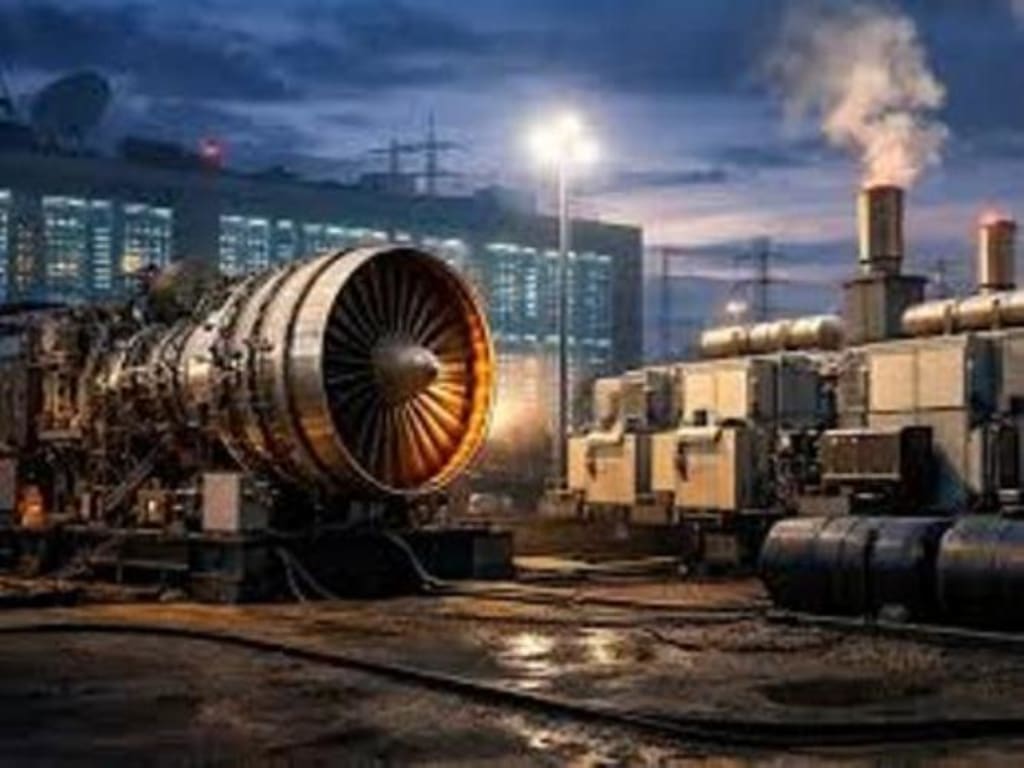
The rapid expansion of artificial intelligence is pushing data centers to a breaking point: a lack of sufficient electricity to sustain their growth. Far from being a problem of chips, memory, or investment, the main bottleneck for large-scale AI projects today is access to massive amounts of electricity, immediately available.
Faced with this scenario, data center operators have begun using turbines based on aircraft engines, as well as diesel and gas generators, as their primary power source—a solution that until recently was considered extreme and unthinkable.
This phenomenon is particularly pronounced in the United States, where power grids are struggling to keep up with the increasing demand from data centers dedicated to AI.

Waiting lists for high-power electrical connections stretch between five and seven years, a timeframe incompatible with multi-billion-dollar projects vying to be the first to market.
Aircraft Turbines as Improvised Power Plants
One of the alternatives that has gained the most traction is the use of aeroderivative turbines, power generation systems based on commercial aircraft engines. These units can be installed near data centers and generate tens or even hundreds of megawatts in a matter of months, compared to the years required for a traditional power grid expansion.
Manufacturers like GE Vernova are supplying these types of turbines to projects linked to large artificial intelligence consortia. Meanwhile, companies specializing in temporary power solutions are repurposing aircraft engine cores to produce electricity continuously.
Diesel and gas generators: from backup to primary power supply
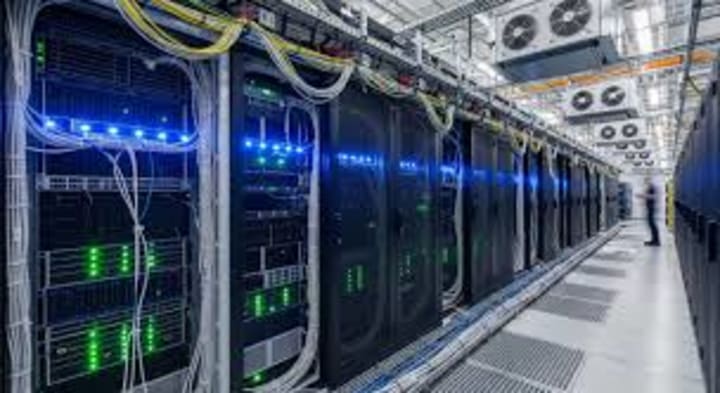
In parallel, diesel and gas generators have ceased to play a secondary role. Traditionally, these units were used as backup in case of power outages or temporary demand peaks. However, energy pressures have changed their function: they now operate as a primary power source for months or even years.
Manufacturers like Cummins are selling tens of gigawatts of capacity specifically for data centers that cannot wait for a stable grid connection. The change is not only quantitative but also qualitative: these machines operate continuously, powering critical AI infrastructure 24 hours a day.
High costs and uncertain profitability
The price of this strategy is high. On-site power generation using turbines and generators can double the cost of conventional industrial electricity, whether from nuclear, wind, solar, or even coal sources.
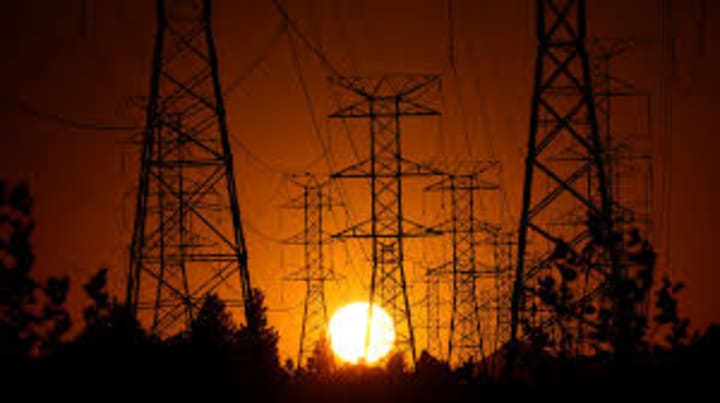
This is compounded by increased pollutant emissions, constant noise, intensive consumption of fossil fuels, and an increasingly strained relationship with regulators and local communities.
Despite this, for data center operators, the calculation is clear: it is preferable to absorb these additional costs rather than delay AI projects that could define a company's competitive position for the next decade. In many cases, the energy cost, although high, is still less than the economic impact of being late to market.
A technical "desperation" rather than improvisation
Industry experts agree that these are not improvised decisions, but rather ones forced by circumstances. No operator chooses jet turbines or diesel generators because they are efficient, clean, or inexpensive. They are chosen because they are the only solutions that can be deployed in a matter of months, not years. What began as emergency infrastructure is becoming, de facto, an almost permanent solution.

This situation exposes an uncomfortable reality: the race for artificial intelligence has progressed faster than the energy planning capabilities of developed countries.
While public debates revolve around renewable energy, smart grids, or small modular nuclear reactors, AI is already operating thanks to engines designed for aviation and fossil fuel generators running continuously.
A model difficult to sustain in the long term
This scenario raises serious questions about the sustainability of the current model. The energy bottleneck threatens to become a real impediment to the growth of artificial intelligence, especially if costs continue to rise and power grids are not modernized at the necessary pace. Furthermore, the profitability of many AI projects has yet to materialize, increasing the financial pressure on companies.
In this context, the reliance on emergency energy solutions also fuels the debate about a possible AI bubble. Some investors are beginning to bet on a market correction, while others warn that the return on investment timelines are already extending beyond 2030.
About the Creator
Omar Rastelli
I'm Argentine, from the northern province of Buenos Aires. I love books, computers, travel, and the friendship of the peoples of the world. I reside in "The Land of Enchantment" New Mexico, USA...
Keep reading
More stories from Omar Rastelli and writers in Journal and other communities.
The ABCs of data centers: what they are, what they are used for, and who works in such a place.
Although the concept of a data center may seem distant or unfamiliar, these facilities are fundamental to maintaining daily connectivity, sending messages, making bank transfers, and accessing digital services at all times.
By Omar Rastelli29 days ago in Journal
Global Village Dubai: Complete Visitor Guide
Global Village isn't just another Dubai attraction. It's a sensory explosion. 90+ countries. 25,000+ products. Live shows every night. But here's what first-timers miss: the parking lot is massive. Really massive. And after six hours of walking, tired kids + distant parking = meltdown territory. Smart visitors arrive in spacious family vehicles with AC running and cold water waiting.
By Silverstone Rent a Carabout 8 hours ago in Journal


Comments
There are no comments for this story
Be the first to respond and start the conversation.