
Philippine Local Anime
Why the Philippines Has Yet to Establish a Local Anime Studio Despite Its Abundance of Artistic Talent

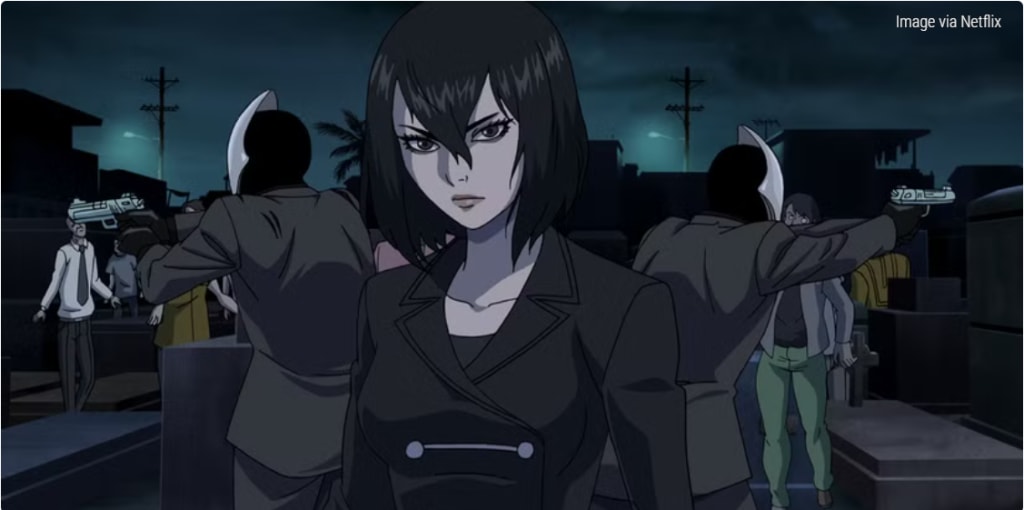
The Philippines is home to an incredible wealth of artistic talent, particularly in animation and visual storytelling. Many Filipino artists and animators have made significant contributions to the global animation industry, with a large number employed in animation outsourcing for major international studios. Despite this, the country has yet to establish a well-known, self-sustaining anime studio that produces original, homegrown Filipino anime or animated series. The reasons behind this paradox lie in economic factors, government policies, industry limitations, and cultural influences.
The Foundation of Filipino Animation
The Philippine animation industry has been an outsourcing hub since the late 20th century. It gained prominence in the 1980s when studios such as Toei Animation Philippines were established. Toei, a Japanese studio, set up operations in the country to handle labor-intensive tasks like in-betweening and clean-ups for their anime productions. Similarly, other foreign animation studios, including Disney, Warner Bros., and Hanna-Barbera, have relied on Filipino animators to produce various animated television series and films.
Despite the vast experience Filipino artists have acquired in the global animation field, the local industry remains predominantly service-oriented. Most animation work done in the Philippines is for international clients, leaving little room for original content creation. This outsourcing model, while beneficial for employment, limits the development of a uniquely Filipino animation industry that produces and owns its intellectual properties.
Economic Challenges in the Local Animation Industry
One of the primary reasons why the Philippines has yet to establish a local anime studio is the economic landscape of the country. Developing a fully-fledged animation studio capable of producing original content requires significant financial investment, which the local industry struggles to secure. Several key factors contribute to this challenge.
First, the high production costs involved in animation make it difficult for local studios to sustain original projects. Producing an original animated series, especially one of anime quality, requires substantial funding. Costs include hiring skilled animators, scriptwriters, voice actors, and post-production specialists. Additionally, animation software, equipment, and studio infrastructure demand continuous investment. Unlike outsourcing work, which guarantees a steady income from foreign clients, creating original content involves financial risks, as there is no immediate return on investment.
Another major economic challenge is the lack of local funding and investors willing to take risks in animation. Unlike countries such as Japan and the United States, where media conglomerates, private investors, and venture capitalists support the animation industry, the Philippines has few local investors willing to prioritize animation. Most businesses in the country focus on industries with quicker returns, such as real estate, retail, and business process outsourcing (BPO).
Additionally, the limited domestic market and demand for original animation pose a significant hurdle. The Philippine entertainment industry is dominated by live-action content, primarily teleseryes (TV dramas) and reality shows. While anime is popular among Filipino audiences, there has been limited demand for locally produced animated series. This is partly due to the lack of government and corporate backing to market and distribute original animated content effectively.
The Role of Government in Animation Development
The role of government support is crucial in developing a thriving animation industry. Unfortunately, the Philippine government has historically provided minimal assistance to the local animation sector. Unlike Japan, where the anime industry is a significant contributor to the national economy and receives indirect support through cultural promotion and funding initiatives, the Philippine animation industry has struggled to secure similar backing.
One major issue is the lack of subsidies and grants for animation studios. Other countries, such as South Korea and Canada, offer financial assistance to animation studios to help them develop original content. In the Philippines, government support for animation is minimal, with only sporadic efforts to fund independent projects. There are no major programs that provide consistent funding for original animated works.
Another challenge is the education and industry training gap. While the Philippines has many talented artists, there is a lack of specialized training programs tailored to animation production. Many animation schools focus on preparing students for outsourcing jobs rather than teaching them how to create original content. This results in a workforce that excels in animation execution but lacks experience in concept development, scriptwriting, and intellectual property management.
Moreover, intellectual property (IP) protection issues discourage creators from investing in original projects. For an animation studio to succeed, it must retain ownership of its intellectual property. However, weak enforcement of copyright laws in the Philippines discourages creators from developing original content, as piracy remains rampant and makes it difficult for local studios to profit from their work through legal distribution channels.
Cultural Factors and Market Preferences
Beyond economic and government-related challenges, cultural preferences also play a role in the lack of a major Filipino anime studio. One significant factor is the preference for foreign animation among Filipino audiences. Filipinos have long been exposed to Japanese anime, Western cartoons, and Korean animated series. These foreign productions dominate television and streaming platforms, making it difficult for locally produced animation to compete. Additionally, there is a perception that anime and high-quality animated productions should come from Japan, further limiting support for local attempts.
Another cultural challenge is language and marketability. Unlike Japan, where the domestic market is large enough to support anime production, the Philippine market is smaller and highly diversified in terms of language preferences. While Tagalog is the national language, English and regional dialects create challenges in standardizing local content for mass consumption.
Steps Toward a Thriving Filipino Animation Industry
Despite these challenges, the Philippines has the potential to develop a thriving local animation industry. Several steps can be taken to address existing barriers and build a foundation for original content creation.
Government intervention and funding could provide essential financial support for animation studios. The Philippine government can play a crucial role by providing subsidies, grants, and tax incentives for local animation studios. Policies that promote investment in creative industries, similar to South Korea’s K-drama and K-pop funding models, could encourage more original animation projects.
Encouraging private sector investment is another crucial step. Local businesses and media networks should be incentivized to invest in animation. Partnerships with telecommunications companies, streaming services, and merchandise producers can create new revenue streams for Filipino animation studios.
Strengthening intellectual property rights will also be essential. A stronger legal framework for copyright protection can help Filipino animators retain ownership of their work and profit from licensing deals, merchandise, and international distribution.
Developing a stronger local market by cultivating a domestic audience interested in local animation is necessary. Animation studios should focus on culturally relevant storytelling that appeals to Filipino sensibilities. Government and private sector collaboration can help promote locally produced animated content through national television and online platforms.
Finally, education and talent development will play a key role. Animation schools and universities should incorporate programs that emphasize original content creation. Offering scholarships and incentives for students who pursue careers in animation production can help nurture future generations of Filipino animators who focus on developing their own intellectual properties.
While the Philippines has an abundance of artistic talent, the lack of a dedicated local anime studio stems from economic constraints, limited government support, and market challenges. However, with the right policies, funding, and a cultural shift toward supporting local content, the Philippines has the potential to establish a thriving animation industry that produces original, world-class animated series. By addressing these challenges, the country can create a uniquely Filipino brand of animation that competes globally while preserving its cultural identity.
About the Creator
JRManglicmot
A Striving father and husband, trying to be the best I can be. I'm not perfect, but I try to be the one my family can look up to. I stumble and make mistakes from time to time, most often, but I try to learn from my mistakes.
Keep reading
More stories from JRManglicmot and writers in Journal and other communities.
Philippine Cinema: The Uncharted Journey to Hollywood Recognition
Philippine cinema, with its rich history and diverse storytelling, has yet to make a significant breakthrough in Hollywood. Despite the industry's vibrant creativity and a pool of talented filmmakers and actors, Philippine films face numerous challenges when attempting to penetrate the global stage, particularly Hollywood. This essay explores the multifaceted reasons behind the limited recognition of Philippine cinema in Hollywood and delves into the potential avenues for overcoming these barriers.
By JRManglicmot2 years ago in Journal




Comments
There are no comments for this story
Be the first to respond and start the conversation.