
Paksitan's Energy Crisis and Renewable Energy Resource
How renewable energy can alleviate Pakistan's energy crisis

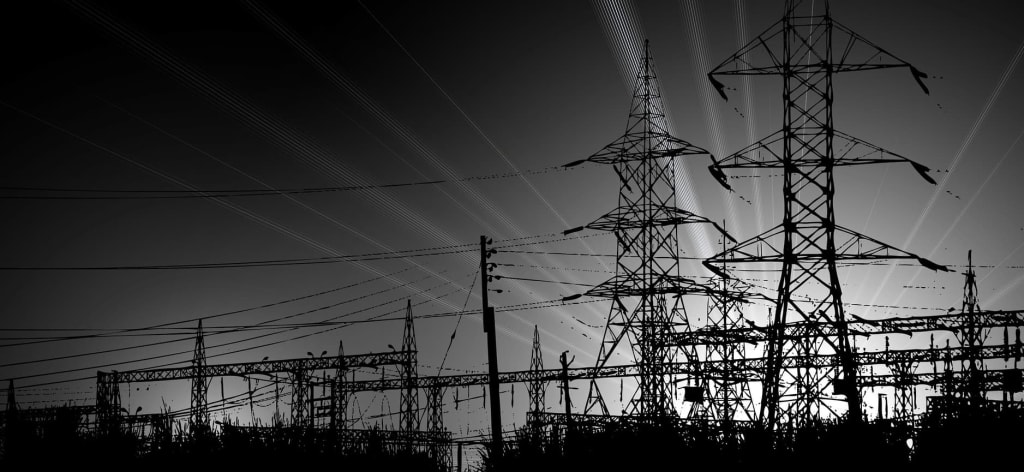
The globe is currently experiencing an energy shortage, which has shocked everyone from Europe to Asia. Pakistan is also no different. Due to a lack of energy production to meet the country's increasing demand over the past few decades,Pakistan's energy sector is in crisis. Oil and gas imports are now Pakistan's main sources of electricity. Pakistan is allegedly an energy-insecure nation, according to a white paper from the Asian Development Bank that was released in 2019. In addition to Pakistan, many other nations, even industrialised ones, experience energy insecurity. Since the energy sector is by its very nature in a loop, there are numerous instances of market development being followed by a downturn and severe contraction. But there are a number of ways in which the current crises vary.Because the Middle Eastern nations, which are a major source of imports, are being badly affected by the strain that Europe is going through as a result of the fuel and petrol shortage, the crisis is likely to get worse. The present dire situation demonstrates that there is currently an estimated 7,500 megawatts of power shortage, which leads to load-shedding for 10 to 18 hours. This indicates that the required supply is between 25,000 and 25,500 MW, while the present supply is roughly 18,000 MW. In addition, Pakistan's energy expenditure increased in the previous nine months, reaching USD 15 billion.
The Pakistani energy problem may be significantly alleviated by the use of renewable energy sources. Pakistan currently has a severe energy shortage as a result of a large gap between demand and supply. This has led to a lot of load shedding, frequent power outages, and an excessive dependence on pricey imported fossil fuels. By investigating alternative energy sources, such as renewable energy, the nation hopes to diversify its energy mix, lessen its dependence on fossil fuels, and improve its energy security.Pakistan has a lot of potential for renewable energy, especially in the areas of hydropower, wind, and solar. The location and climate of the nation make it a perfect location for solar and wind energy, and the country's mountainous landscape offers many possibilities for hydropower.
The Alternative Energy Development Board estimates that Pakistan has the capacity to generate 2.9 million MW of power solely from solar energy.The establishment of the Alternative Energy Development Board and the implementation of a feed-in tariff system to encourage private investment in renewable energy projects are just two of the actions the Pakistani government has already done to promote renewable energy. By 2030, the government wants to have 30% of the nation's energy come from renewable sources.
Renewable energy has many advantages in Pakistan. Renewable energy sources are first and foremost ecofriendly and do not create greenhouse gas emissions that cause climate change. Second, the use of green energy can lessen the nation's reliance on pricy imported fossil fuels, thereby enhancing energy security andreducing sensitivity to changes in the price of crude oil globally.Last but not least, renewable energy can bring electricity to rural and underserved regions of the nation where there is presently little access to it.
Here are some ways renewable energy can help Pakistan's energy crisis:
Reduced Dependence on Fossil Fuels: Renewable energy can help reduce Pakistan's dependence on fossil fuels, which are expensive and unsustainable. By increasing the share of renewable energy in the energy mix, Pakistan can reduce its reliance on imported oil and gas, which will also help to reduce the country's trade deficit.
Lower Energy Costs: The cost of renewable energy has been declining globally, and it is becoming increasingly competitive with fossil fuels. The use of renewable energy can help reduce the cost of electricity in Pakistan and make it more affordable for consumers.
Increased Energy Security: Renewable energy can help improve Pakistan's energy security by diversifying the country's energy mix. Renewable energy resources are abundant in Pakistan, and by harnessing them, the country can become more self-sufficient in terms of energy.
Environmental Benefits: Fossil fuels are a significant source of greenhouse gas emissions, which contribute to climate change. By using renewable energy, Pakistan can reduce its carbon footprint and help mitigate the effects of climate change.
Job Creation: The development of renewable energy resources can also create jobs in Pakistan. The installation and maintenance of renewable energy systems require skilled labor, which can provide employment opportunities for local communities.
In conclusion, the solution to Pakistan's energy problem may significantly involve the use of renewable energy. Due to the country's substantial potential for solar, wind, and hydropower as well as the government's dedication to renewable energy, it is a desirable location for investment in renewable energy projects. The development of renewable energy faces obstacles, but the advantages to the environment, energy security, and the provision of power to underserved areas make it a worthy investment for Pakistan's future.
About the Creator
Muhammad Mohib
Muhammad Mohib is my identity, I am an Astrophysicist & I write articles regarding Interesting Space Phenomenon's. You can support me by reading, & liking my work. If you find any errors Contact me at [email protected] for inquires.
Reader insights
Outstanding
Excellent work. Looking forward to reading more!
Top insights
Eye opening
Niche topic & fresh perspectives
Easy to read and follow
Well-structured & engaging content
Excellent storytelling
Original narrative & well developed characters
Heartfelt and relatable
The story invoked strong personal emotions
Keep reading
More stories from Muhammad Mohib and writers in Journal and other communities.
"Regrets and Reflections"
In the quiet solitude of my room, I find myself drawn to the act of reflection. It's a journey inward, a reckoning with the past, and a search for meaning amidst the chaos of life. Today, I embark on this journey with a sense of both trepidation and anticipation, knowing that confronting the echoes of my past will not be an easy task.
By Muhammad Mohib2 years ago in Journal
Author’s Advice
If you would’ve asked me 20 years ago did I know I’d become a writer and an author, I would’ve said “nope, ain’t happening”. As fate would have it I did become an author and I can honestly say I’m loving it so far. It really does feel good to be a writer. I’ve learned a lot on this journey and I feel like with even me being as new to this world as I am, there’s some wisdom I need to share with every other aspiring author.
By Joe Patterson3 days ago in Journal
Global trade’s lifelines: 6 shipping lanes that keep the world economy moving
Maritime shipping lanes are the unsung lifelines of global trade. Roughly 90% of the world’s goods—from electronics and oil to food and raw materials—travel by sea, navigating a network of strategic shipping corridors that connect producers to consumers across continents. Disruptions along these routes can ripple across the global economy, impacting supply chains, energy prices, and trade flows. Here are six critical shipping lanes that underpin international commerce: 1. The Strait of Hormuz Located between Oman and Iran, the Strait of Hormuz is a narrow passage through which roughly 20% of the world’s oil supply passes. Tankers from Gulf nations rely on this corridor to transport crude to Europe, Asia, and the Americas. Heightened regional tensions can quickly drive up oil prices, as recent conflicts and military posturing have shown. 2. The Suez Canal The Suez Canal connects the Mediterranean Sea to the Red Sea, allowing ships to bypass the lengthy voyage around Africa’s Cape of Good Hope. The canal handles approximately 12% of global trade, making it one of the most strategically important maritime routes. The 2021 blockage by the container ship Ever Given demonstrated how a single incident can stall billions of dollars in goods. 3. The Strait of Malacca Between Malaysia and Indonesia, the Strait of Malacca serves as the main artery for ships traveling between the Indian Ocean and the Pacific. Around 25% of all traded goods pass through this narrow channel, including oil, electronics, and commodities. Its vulnerability to congestion or piracy has prompted constant monitoring and security initiatives. 4. The Panama Canal Connecting the Atlantic and Pacific Oceans, the Panama Canal facilitates the rapid movement of goods between Asia and the Americas. For decades, the canal has shortened transit times and reduced fuel costs for shipping companies. Recent expansions allow larger vessels to pass through, accommodating the growth of global containerized trade. 5. The English Channel One of the busiest shipping lanes in the world, the English Channel links the United Kingdom to continental Europe. Nearly 500 ships pass daily, carrying everything from raw materials to finished products. Its strategic position near Europe’s industrial and financial hubs makes it crucial for European commerce, especially during Brexit-related logistical shifts. 6. The Bab el-Mandeb Strait Connecting the Red Sea to the Gulf of Aden, the Bab el-Mandeb Strait sits between Djibouti and Yemen. About 4.8 million barrels of oil daily flow through this route, alongside other key commodities. Regional instability, piracy, and conflict in nearby areas have raised concerns over potential disruptions. Why These Routes Matter Global shipping lanes are not just pathways for goods—they are economic arteries that sustain industry, employment, and geopolitical influence. Even minor blockages can trigger cascading effects, delaying shipments, inflating prices, and disrupting production cycles. For instance, disruptions in the Suez Canal or Strait of Hormuz often lead to surging oil prices and logistical bottlenecks worldwide. Shipping companies, governments, and international organizations invest heavily in monitoring, securing, and maintaining these corridors. Advances in maritime technology, satellite navigation, and coordinated international patrols help mitigate risks such as piracy, geopolitical tensions, and accidents. Challenges Ahead Despite these safeguards, global shipping remains vulnerable. Rising geopolitical tensions, climate change, and evolving security threats could jeopardize these vital routes. Analysts warn that the reliance on a handful of narrow corridors makes the global economy susceptible to unforeseen shocks. Diversifying routes and improving maritime infrastructure are considered key strategies for resilience. The lifelines of global trade are more than just shipping lanes—they are critical components of the modern economy, linking markets, nations, and people. Protecting them ensures not only the smooth flow of goods but also global economic stability, energy security, and international cooperation. As trade volumes continue to grow and international tensions rise, these six corridors will remain under scrutiny, reminding the world just how interconnected and fragile the modern global supply chain truly is.
By Fiaz Ahmed 7 days ago in Journal



Comments
There are no comments for this story
Be the first to respond and start the conversation.