
Oil Prices Extend Gains on Fears of Escalating Tensions in the Middle East
Why Crude Markets Are Rising Again as Traders Watch Geopolitical Risk, Supply Threats, and Global Demand
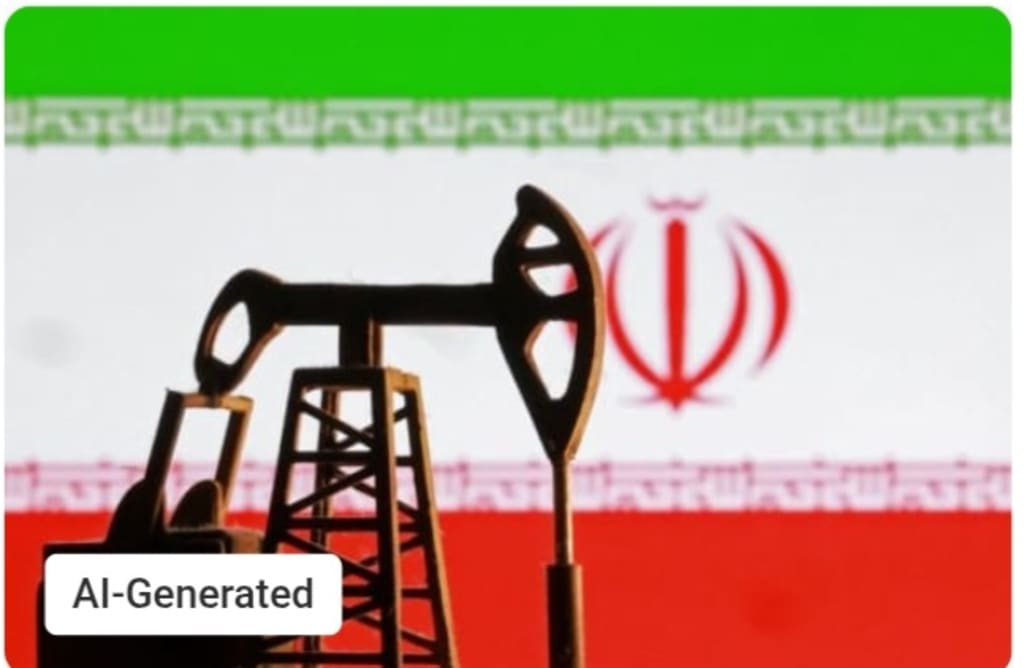
Global oil markets are once again showing their sensitivity to geopolitical developments, as oil prices extended gains due to escalating tensions in the Middle East. Investors, traders, and policymakers are closely monitoring the situation, which has the potential to impact oil supply, global trade, and consumer costs worldwide.
Crude Oil Prices Climb
On Wednesday, Brent crude, the international benchmark, saw a significant increase, climbing more than 3% in trading. West Texas Intermediate (WTI), the U.S. benchmark, also posted strong gains. Analysts attribute these increases to heightened risk perceptions following a series of incidents involving the United States and Iran, one of the world's major oil producers.
Oil markets are particularly sensitive to geopolitical events in the Middle East due to the region’s role in global oil supply. Even minor disruptions in production or transportation routes can lead to substantial price swings.
Key Geopolitical Developments
The recent spike in oil prices follows several concerning incidents:
The U.S. military shot down an Iranian drone near a U.S. aircraft carrier in the Arabian Sea.
Iranian boats reportedly approached a U.S.-flagged vessel in the strategic Strait of Hormuz, a vital corridor for global oil shipments.
Diplomatic talks between Washington and Tehran are reportedly facing setbacks, raising doubts about conflict de-escalation.
These events have reinforced fears that any escalation could quickly disrupt oil exports, particularly through the Strait of Hormuz, which handles about 20% of the world’s oil trade.
Why the Strait of Hormuz Matters
The Strait of Hormuz is a narrow waterway connecting the Persian Gulf to the Gulf of Oman. A blockade or conflict in this area could have catastrophic consequences for global oil supply. Analysts stress that even a temporary disruption could send prices sharply higher, as oil-producing nations in the Gulf region play a crucial role in stabilizing supply.
Any threat to shipments from Iran, Saudi Arabia, Iraq, or Kuwait is closely watched by oil traders worldwide.
Supply Concerns and Risk Premiums
Beyond geopolitical tension, oil markets are also responding to supply-side concerns:
U.S. crude inventories have seen notable declines, indicating tighter supply.
Sanctions on Russian oil due to the ongoing conflict in Ukraine continue to limit available global supply.
Rising demand, particularly from emerging markets, adds additional pressure on crude prices.
Traders often include a “risk premium” in oil prices during times of uncertainty. This premium accounts for potential supply disruptions. With tensions escalating in the Middle East, the risk premium has risen sharply, helping fuel the latest price gains.
Economic Implications
Higher oil prices can have widespread economic effects. For consumers, it often means higher fuel and transportation costs. Businesses face increased operating costs, which may lead to higher prices for goods and services. Globally, rising energy prices can contribute to inflationary pressures and slower economic growth, especially in oil-importing nations.
Financial markets are also affected. Investors often shift toward safe-haven assets like gold or government bonds during periods of geopolitical risk, while equities may face pressure. Past episodes of Middle East conflict have shown that even short-term tensions can disrupt broader financial markets.
The Role of Diplomacy
Diplomatic efforts between the United States and Iran are being closely watched. Reports indicate that scheduled talks could be postponed or limited in scope due to disagreements over location and agenda. Any failure to reach common ground increases market uncertainty, prompting traders to price in a higher likelihood of conflict and supply disruption.
Experts emphasize that oil markets are highly sensitive to such geopolitical developments. Even minor incidents in the region can trigger rapid price changes, reflecting the delicate balance between supply, demand, and geopolitical risk.
Looking Ahead
As of now, the situation remains fluid. Key points to watch include:
Military incidents in the Persian Gulf or Arabian Sea.
Progress in diplomatic negotiations between the U.S. and Iran.
Global oil inventories and production data, which may influence supply expectations.
Market sentiment, as investors react to new developments and adjust risk premiums accordingly.
The combination of tight supply, rising demand, and geopolitical risk creates an environment where oil prices could remain volatile in the near term. Markets may react quickly to new information, making it essential for policymakers, businesses, and consumers to stay informed.
Conclusion
The recent surge in oil prices highlights how geopolitical tensions in the Middle East can directly impact global energy markets. With incidents in the Strait of Hormuz, setbacks in U.S.-Iran diplomacy, and ongoing supply constraints, traders are pricing in higher risk, leading to extended gains in crude oil prices.
For the global economy, this serves as a reminder of the interconnectedness of energy markets and international relations. Rising oil costs can affect everything from transportation and manufacturing to consumer goods, while financial markets may see increased volatility.
As the situation develops, stakeholders worldwide will be closely watching for signs of resolution or escalation. The coming weeks will likely determine whether oil prices stabilize or continue to climb amid the complex geopolitical landscape.
About the Creator
Keep reading
More stories from Ayesha Lashari and writers in Journal and other communities.
Oil Futures Rise On U.S.-Iran Risk Premium: Why Crude Prices Are Climbing Again
Oil markets are heating up again. Crude futures have surged as traders factor in a growing risk premium due to escalating tensions between the United States and Iran. This price spike doesn’t just reflect supply and demand — it shows how geopolitics can ripple through global markets in real time.
By Ayesha Lashari2 days ago in Journal
~ Fired ~
— Ai Intrusion ~ Are you Next ~ Is Ai Evolution after your job? — Few workplaces haven't been affected. Ai is in supermarkets, at doctors' offices, and even monitoring farms. I just can't think of anything this machine is not getting into, can you? For instance: Education ~ Law and Tech jobs will one day have a major influence or be taken over by these inanimate machines, with accuracy and vigor. From mechanics' diagnoses to a wide variety of everyday jobs, including fast food workers, with this input having the ability to cut their unnecessary work hours. I'm certain all of us have been touched by this with our short stories and colorful headings, have you? Even comments are very questionable 'Non-Robot' insertions.
By Jay Kantor6 days ago in Journal
Salt Typhoon and the Widespread Hacking of Western Telecoms Networks
China's Salt Typhoon campaign represents a fundamental shift in state-sponsored cyber espionage, moving away from the opportunistic targeting of individuals towards the systematic subversion of national telecommunications infrastructure. Attributed to contractors working for the Chinese Ministry of State Security based in Chengdu, this operation has exposed a profound structural vulnerability at the heart of Western democratic governance.
By James Marinero7 days ago in Journal


Comments
There are no comments for this story
Be the first to respond and start the conversation.