
Oil Futures Rise On U.S.-Iran Risk Premium: Why Crude Prices Are Climbing Again
Geopolitical tensions between Washington and Tehran are forcing markets to price in supply risks, pushing oil futures higher worldwide.

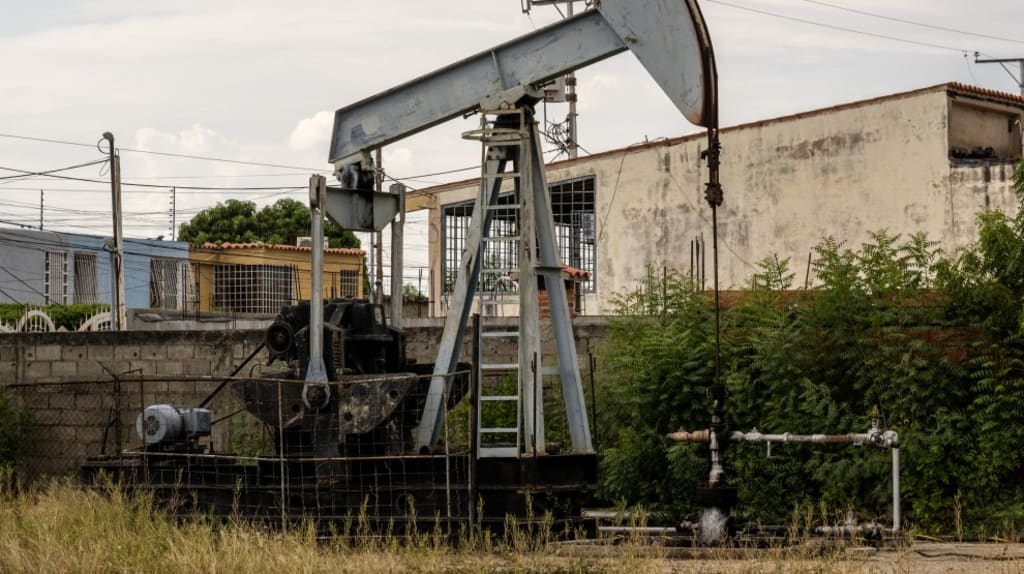
Oil futures are climbing once again—and this time, it isn’t because of a sudden shortage or a major production cut. Instead, traders are reacting to something that often moves the oil market faster than real supply and demand: geopolitical risk.
Recent developments around the United States and Iran have triggered what analysts call a “risk premium”—an added price that markets build into oil contracts when there’s fear of conflict, sanctions, or disruption in major shipping routes.
Even if no barrels are lost today, the market is essentially saying: “Oil might become harder to move tomorrow.”
So, what is driving the rise in oil futures, and what does it mean for the global economy, investors, and everyday consumers?
Let’s break it down in a clear and simple way.
Why Are Oil Futures Rising?
Oil futures are contracts that allow traders to buy or sell crude oil at a future date. Their price reflects what the market expects oil to be worth in the coming weeks or months.
Right now, futures are moving higher mainly due to increased tension between the U.S. and Iran, which has raised concerns about:
Possible sanctions tightening on Iranian oil
Threats to Middle East shipping routes
Military escalation in the region
Disruption to global supply chains
In commodity markets, fear is often enough to move prices.
What Is the U.S.-Iran “Risk Premium”?
A risk premium is the extra price traders pay because of uncertainty.
In oil markets, it usually appears when:
A major oil-producing region becomes unstable
A key shipping route is threatened
War or military conflict seems possible
Sanctions could reduce supply
The U.S.-Iran relationship is one of the biggest triggers for this premium because Iran plays a major role in Middle East security—and the Middle East remains the most sensitive region for global oil exports.
Why Iran Matters So Much in Global Oil Markets
Even though Iran isn’t the world’s largest oil producer, it holds massive influence due to one critical factor:
The Strait of Hormuz
The Strait of Hormuz is a narrow waterway connecting the Persian Gulf to the Arabian Sea. It is one of the world’s most important energy chokepoints.
A huge portion of global oil exports passes through this route.
So when tensions rise involving Iran, traders worry about:
Tanker attacks
Naval blockades
Insurance costs increasing
Delays in shipments
Potential conflict affecting Gulf exporters
Even the threat of disruption is enough to send oil prices higher.
What’s Happening Right Now?
Markets have been reacting to multiple signals:
1. Diplomatic Uncertainty
When talks appear shaky or delayed, traders assume escalation becomes more likely.
2. Military and Security Concerns
Even small incidents—such as drones, naval warnings, or military positioning—can shake the oil market.
3. Sanctions Pressure
If the U.S. increases sanctions or enforces them more aggressively, Iranian exports could fall, tightening supply.
Brent vs WTI: What’s Moving Higher?
Oil is mainly traded under two benchmarks:
Brent Crude
Global benchmark
Most sensitive to Middle East events
Used in Europe, Asia, and global shipping
WTI (West Texas Intermediate)
U.S. benchmark
Influenced by American production and inventories
When Middle East tensions rise, Brent often climbs faster, because it reflects international supply risk more directly.
Why Oil Prices Can Rise Even Without Real Shortages
This is one of the most confusing parts for readers.
People often ask:
> “If oil is still being produced, why are prices rising?”
Here’s why:
Oil markets are forward-looking.
Traders don’t wait for a shortage—they price in the possibility of one.
This is similar to:
Stock markets falling before a recession
Currency prices moving before interest rate decisions
Wheat prices rising before drought damage is confirmed
In oil, risk premiums are essentially the market’s way of “buying insurance.”
How Rising Oil Futures Impact the World
Oil isn’t just fuel—it’s the foundation of modern economies. When crude prices rise, the effects spread quickly.
1. Higher Petrol and Diesel Prices
Consumers feel it at the pump.
Even if the rise starts in futures markets, it usually filters down to retail fuel prices within days or weeks.
2. Inflation Pressure
Oil impacts:
Transport
Shipping
Airlines
Food distribution
Manufacturing
When oil rises, costs rise across the economy.
3. Volatility in Global Markets
Oil price spikes can affect:
Stock markets
Currency exchange rates
Emerging market stability
Investor confidence
Countries that import most of their energy (like Pakistan, India, Turkey) often face more pressure when oil rises.
Could Oil Prices Fall Again Soon?
Yes—oil prices can drop just as quickly as they rise.
If the U.S. and Iran move toward stable talks or de-escalation, the risk premium can shrink.
Oil futures often react instantly to headlines like:
“Talks confirmed”
“Ceasefire proposal”
“Sanctions eased”
“Diplomatic progress”
But if tensions escalate further, the premium grows—and prices rise.
What Investors Are Watching Next
In the coming days, traders will focus on:
1. U.S.-Iran Diplomatic Developments
Any progress or failure could swing the market.
2. OPEC+ Signals
If OPEC+ hints at production cuts or tighter supply, it could amplify price rises.
3. U.S. Oil Inventories
Weekly inventory data can influence short-term moves, especially for WTI.
4. Shipping Security in the Gulf
Any tanker disruption, threat, or conflict could cause sudden spikes.
What This Means for Pakistan and Other Importing Countries
For countries like Pakistan, rising oil futures are a major concern because:
The country imports most of its fuel
Higher oil means higher import bills
Currency pressure increases
Inflation may rise again
Even if Pakistan’s local fuel prices don’t jump instantly, sustained oil rises often force governments to adjust petrol and diesel rates.
FAQs
Why do oil futures rise on geopolitical news?
Because markets price in future risks. Even if supply is not disrupted today, traders prepare for possible shortages.
What is a risk premium in crude oil?
It’s an extra cost added to oil prices due to fear of supply disruptions caused by conflict, sanctions, or instability.
Does U.S.-Iran tension always raise oil prices?
Not always, but it often does—especially when the Strait of Hormuz or sanctions become part of the story.
Will petrol prices rise immediately?
Not always immediately, but if crude remains high for several days, fuel prices usually rise soon after.
Is this a good time to invest in oil?
Oil is highly volatile. Investors should consider risk carefully, especially when prices are being driven by geopolitics.
Final Thoughts
Oil futures are rising because markets are adding a U.S.-Iran risk premium, reflecting fear that Middle East tensions could disrupt supply routes or trigger new sanctions.
Even without a confirmed shortage, traders are paying more for crude because uncertainty is expensive.
For consumers, this could mean higher fuel prices. For governments, it raises inflation risks. And for investors, it signals that the oil market may remain volatile until geopolit
About the Creator
Asad Ali
I'm Asad Ali, a passionate blogger with 3 years of experience creating engaging and informative content across various niches. I specialize in crafting SEO-friendly articles that drive traffic and deliver value to readers.
Data Center Switches: The Hidden Engine of the Internet
At 3 a.m., when cities sleep and screens glow quietly in dark rooms, something extraordinary is happening beneath the surface of the internet. Trillions of data packets are racing through invisible highways, switching directions in milliseconds, never colliding, never slowing. You don’t see it. You don’t hear it. But without it, the digital world would freeze.
By Andrew Hamilton3 days ago in Journal



Comments
There are no comments for this story
Be the first to respond and start the conversation.