
Oil Prices Extend Gains on Fears of Escalating Tensions in the Middle East
Why Crude Markets Are Rising Again as Traders Watch Geopolitical Risk, Supply Threats, and Global Demand

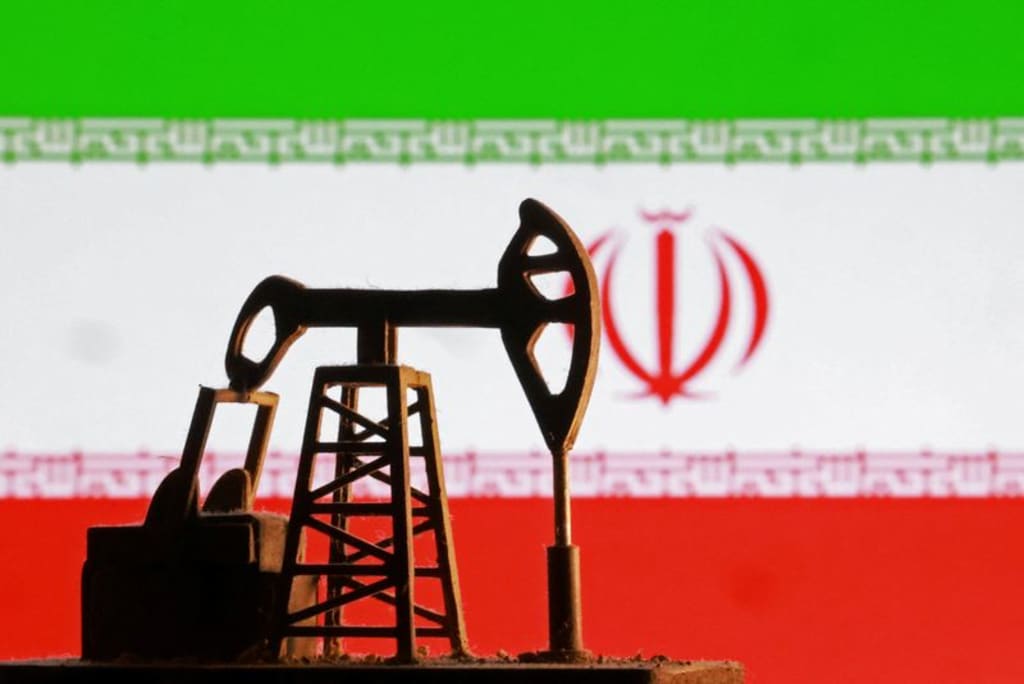
Oil prices have extended gains in global markets as fears grow that tensions in the Middle East could escalate further, raising the risk of supply disruptions in one of the world’s most critical energy-producing regions.
Crude oil is highly sensitive to geopolitical instability, and even the possibility of conflict expansion can push prices higher. Traders and investors closely monitor developments in the region because the Middle East plays a central role in global oil supply, shipping routes, and OPEC production decisions.
In this blog-format article, we’ll explore what’s driving the latest oil price rally, why Middle East tensions matter so much to energy markets, and what it could mean for consumers, inflation, and the global economy.
Oil Prices Rise Again: What’s Happening?
Oil prices have moved higher for multiple sessions, building on gains from the previous week. The main driver behind this rise is not demand—it’s fear.
Markets are reacting to:
Rising regional instability
Threats to shipping routes
Concerns about potential supply interruptions
Increased risk premiums priced into crude futures
Even if oil production hasn’t been disrupted yet, markets often move ahead of actual events. That’s why headlines can cause major swings in oil prices.
Why the Middle East Matters So Much to Oil Markets
The Middle East is one of the most oil-rich regions on Earth and remains essential to the global energy system.
Here’s why it matters:
1. Major Producers Are Based There
Countries like:
Saudi Arabia
Iraq
Iran
Kuwait
UAE
are key exporters that influence global supply.
2. OPEC’s Core Influence
Many Middle East countries are part of OPEC, which can cut or raise production to influence prices.
3. Strategic Shipping Routes
The region includes critical oil transit chokepoints such as:
The Strait of Hormuz
The Red Sea routes
The Suez Canal access lanes
If shipping is threatened, oil prices can surge quickly.
What Does “Risk Premium” Mean in Oil Prices?
When tensions rise, traders add a risk premium to crude prices.
This is basically a “fear factor” that reflects the chance that:
Oil supply may be interrupted
Export infrastructure may be attacked
Tankers may be delayed
Production may be reduced
Even if no disruption happens, the market often prices in the possibility.
That’s why oil can climb sharply even without any change in actual supply.
What Could Trigger Higher Oil Prices From Here?
Oil markets tend to move in waves. If Middle East tensions escalate further, oil prices could rise more due to:
1. Threats to the Strait of Hormuz
The Strait of Hormuz is one of the most important oil shipping lanes in the world.
A large percentage of global crude exports pass through this narrow route. Any risk to it can send prices soaring.
2. Attacks on Energy Infrastructure
Energy facilities, refineries, and pipelines are high-value targets. Even minor damage can create panic in markets.
3. Increased Sanctions or Trade Restrictions
If geopolitical tensions lead to stronger sanctions or restrictions, supply can tighten.
4. OPEC+ Production Decisions
OPEC+ could choose to cut production further, especially if it wants to keep prices supported.
How Rising Oil Prices Affect Consumers
Oil price increases eventually reach everyday people.
Here’s how:
⛽ Higher Fuel Prices
When crude rises, gasoline and diesel costs often rise too, though with a short delay.
🛒 Inflation Pressure
Oil affects transportation and manufacturing costs, which can raise prices of:
Food
Consumer goods
Shipping and delivery
Airline tickets
🏦 Interest Rates May Stay Higher
If inflation rises due to oil, central banks may delay cutting interest rates.
That’s one reason oil price rallies are watched closely by investors.
What About Global Demand? Is It Supporting Oil Too?
While geopolitical tensions are the main driver, demand still plays a role.
Oil demand depends on:
U.S. economic strength
China’s industrial activity
European energy consumption
Airline travel demand
Global manufacturing
If demand stays steady while supply fears increase, prices tend to rise faster.
However, if the global economy slows sharply, oil gains may be limited.
How Oil Prices Impact Markets Like Gold and the U.S. Dollar
Oil is connected to broader financial markets.
Oil and Gold
When geopolitical risk rises:
Oil tends to rise
Gold often rises too as a “safe haven”
Oil and the U.S. Dollar
Oil is priced in USD. When oil rises:
Some inflation pressure increases
USD can strengthen if markets expect the Fed to stay hawkish
But sometimes USD weakens if risk sentiment shifts
Could Oil Prices Fall Again?
Yes. Oil rallies driven by fear can reverse quickly if:
Tensions ease
Diplomatic progress is made
Shipping routes remain stable
Supply continues without disruption
Also, if global economic data weakens, oil demand expectations can drop.
So while prices are rising now, volatility remains high.
FAQs
Why are oil prices rising right now?
Oil prices are rising mainly due to fears that Middle East tensions could escalate and disrupt supply or shipping routes.
Does the Middle East control most of the world’s oil?
The Middle East holds a significant portion of global oil reserves and includes many of the top exporters, making it highly influential.
What is the Strait of Hormuz and why is it important?
It’s a narrow waterway where a major share of global oil exports passes through. Any disruption there can spike oil prices worldwide.
Will higher oil prices increase inflation?
Yes. Oil affects fuel, shipping, and manufacturing costs, which can raise inflation in many countries.
Can oil prices go back down quickly?
Yes. If tensions cool or supply remains stable, oil can drop just as fast as it rises.
Conclusion
Oil prices extending gains on fears of escalating tensions in the Middle East is a reminder of how fragile global energy markets can be. Even without actual supply disruption, the risk of conflict expansion is enough to drive crude higher, as traders price in uncertainty.
For consumers, higher oil prices may mean rising fuel costs and renewed inflation pressure. For investors, it signals a market that could stay volatile until geopolitical risks ease or supply becomes more certain.
As the world watches developments in the Middle East, oil markets will remain highly sensitive—making headlines just as powerful as supply numbers.
About the Creator
Asad Ali
I'm Asad Ali, a passionate blogger with 3 years of experience creating engaging and informative content across various niches. I specialize in crafting SEO-friendly articles that drive traffic and deliver value to readers.
~ Fired ~
— Ai Intrusion ~ Are you Next ~ Is Ai Evolution after your job? — Few workplaces haven't been affected. Ai is in supermarkets, at doctors' offices, and even monitoring farms. I just can't think of anything this machine is not getting into, can you? For instance: Education ~ Law and Tech jobs will one day have a major influence or be taken over by these inanimate machines, with accuracy and vigor. From mechanics' diagnoses to a wide variety of everyday jobs, including fast food workers, with this input having the ability to cut their unnecessary work hours. I'm certain all of us have been touched by this with our short stories and colorful headings, have you? Even comments are very questionable 'Non-Robot' insertions.
By Jay Kantor3 days ago in Journal
Aaron Pierre Siblings: Meet His Brother and Sister Who Shaped His Rise to Fame
Aaron Pierre Siblings: A Deep Dive Into His Family, Upbringing, and Success Story Aaron Pierre has quickly become one of the most talked-about British actors on the global stage. From intense dramatic roles to voicing iconic characters like Mufasa in Disney’s The Lion King, his career trajectory has been nothing short of inspiring. But behind every successful actor is a support system — and for Aaron, his family, especially his siblings, have been instrumental in shaping who he is today.
By Vincent Otiri2 days ago in Journal
A Love Forboding
The chipped stone slope caused unbearable footing. I slid, skirting on my heels. I cast my shield, relinquishing my guard to stay upright. Left with my double-edge and a prayer to the maker, I skated toward my objective. The earthly stubble gave way to solid ground. I found myself restored, a trail of dust in my wake.
By James U. Rizzi4 days ago in Fiction



Comments
There are no comments for this story
Be the first to respond and start the conversation.