
Moscow’s Narrative Wobbles as Ukraine Takes Back Kupiansk
A strategic Ukrainian victory exposes growing cracks in Russia’s war messaging

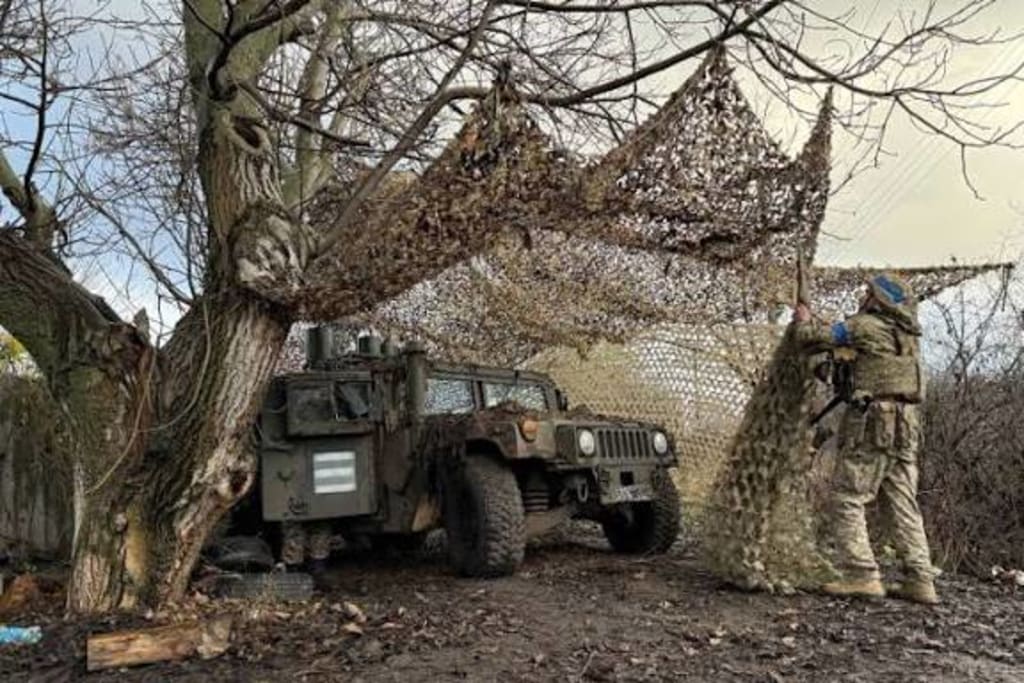
For months, the Kremlin has worked hard to present an image of control and momentum in its war against Ukraine. State media has consistently portrayed Russian forces as resilient and advancing, while downplaying setbacks or reframing them as tactical withdrawals. However, Ukraine’s recapture of Kupiansk, a strategically vital city in the Kharkiv region, has once again shaken Moscow’s carefully crafted narrative and exposed cracks in Russia’s wartime messaging.
Why Kupiansk Matters
Kupiansk is not just another town on the map. It has long served as a key logistical hub, linking supply routes that support Russian operations in eastern Ukraine. Rail lines running through the city have been essential for transporting troops, ammunition, and fuel. When Russian forces first seized Kupiansk early in the war, it was hailed by Moscow as proof of its operational superiority.
Ukraine’s success in reclaiming the city now tells a very different story.
The loss of Kupiansk disrupts Russian supply chains and weakens its ability to sustain offensive operations in nearby regions. More importantly, it sends a strong psychological message: territory Russia once declared “secured” can still be taken back.
A Blow to the Kremlin’s Messaging
Russia’s official narrative has relied heavily on the idea that the war is proceeding according to plan. Television broadcasts and state-aligned commentators often emphasize Ukrainian losses while minimizing Russian retreats. The fall of Kupiansk makes this approach increasingly difficult to maintain.
Unlike smaller villages, Kupiansk is well-known and symbolically important. Its recapture cannot be easily dismissed or ignored. Russian audiences, even those relying on state media, are becoming more aware of inconsistencies between official statements and realities on the ground.
This gap between narrative and reality is where Moscow’s messaging begins to wobble.
Ukraine’s Tactical Advantage
Ukraine’s success in Kupiansk reflects a broader shift in its battlefield strategy. Rather than relying solely on large-scale offensives, Ukrainian forces have focused on precision strikes, intelligence-driven operations, and mobility. By targeting supply routes and exploiting weaknesses in Russian defenses, they have been able to regain ground with fewer resources.
Western military analysts note that Ukraine’s improved coordination between drones, artillery, and ground units played a significant role in the operation. This demonstrates not only battlefield adaptability but also the growing effectiveness of Ukraine’s military reforms since the war began.
Impact on Russian Morale
Beyond logistics and strategy, the psychological impact of losing Kupiansk is significant. For Russian soldiers on the front lines, repeated withdrawals can erode morale and confidence in leadership. Reports of strained supply lines, exhaustion, and unclear objectives have already circulated in various independent channels.
At home, the Russian public is also facing fatigue. While strict media controls remain in place, social media and informal networks continue to share alternative accounts of the war. Each visible setback increases skepticism and makes it harder for the Kremlin to maintain public support without escalating rhetoric.
A Pattern of Narrative Strain
Kupiansk is not an isolated incident. Over the course of the conflict, Moscow has been forced to revise its messaging multiple times—first denying retreats, then reframing them as “regroupings,” and later emphasizing defensive priorities. This constant recalibration has weakened the credibility of official statements.
Ukraine’s ability to reclaim territory highlights a core contradiction in Russia’s narrative: a war described as stable and controlled should not require constant explanation for lost ground.
As Ukrainian forces continue to challenge Russian positions, this contradiction becomes harder to conceal.
What This Means for the Wider War
The recapture of Kupiansk does not, by itself, decide the outcome of the war. However, it reinforces a growing perception that the conflict is far from settled—and that Ukraine remains capable of shifting the balance in key areas.
For international observers, the development strengthens arguments for continued diplomatic engagement and military support for Ukraine. For Moscow, it presents a dilemma: either acknowledge setbacks more honestly or double down on propaganda that risks losing credibility.
A Turning Point in Perception
Wars are fought not only with weapons, but also with stories. Control of the narrative shapes public opinion, international support, and long-term legitimacy. Ukraine’s success in Kupiansk represents more than a tactical victory—it challenges the story Russia has been telling its people and the world.
As the battlefield evolves, so too does the information war. And with each reclaimed city, Moscow’s version of events faces greater strain. Kupiansk stands as a reminder that facts on the ground have a way of breaking through even the most carefully constructed narratives.
About the Creator
Fiaz Ahmed
I am Fiaz Ahmed. I am a passionate writer. I love covering trending topics and breaking news. With a sharp eye for what’s happening around the world, and crafts timely and engaging stories that keep readers informed and updated.
Keep reading
More stories from Fiaz Ahmed and writers in Journal and other communities.
Diplomatic tensions ease as Nigeria apologises for Burkina Faso military flight incident"
Nigeria has issued a formal apology to Burkina Faso after an incident involving a military flight resulted in the detention of 11 Nigerian servicemen. The development has highlighted the delicate nature of regional military cooperation in West Africa, where cross-border operations against extremist groups are often necessary but fraught with logistical and political challenges.
By Fiaz Ahmed about a month ago in Journal
The goals I did not achieve
Every writing goal I made for the year is a wash. It has been this way for a while, but I think it's important to be open about my failures and the reality of how life can get in the way. This is especially true considering the several times I have posted on Vocal about my writing goals, how I was changing my approach, and where I was hoping to be for the upcoming year. I will probably do that again in a couple months, but for now, it is time to acknowledge where I am today.
By Kay Husnick22 days ago in Journal



Comments
There are no comments for this story
Be the first to respond and start the conversation.