
Diplomatic tensions ease as Nigeria apologises for Burkina Faso military flight incident"
"Nigeria and Burkina Faso resolve military flight incident, emphasizing regional cooperation and diplomatic ties"

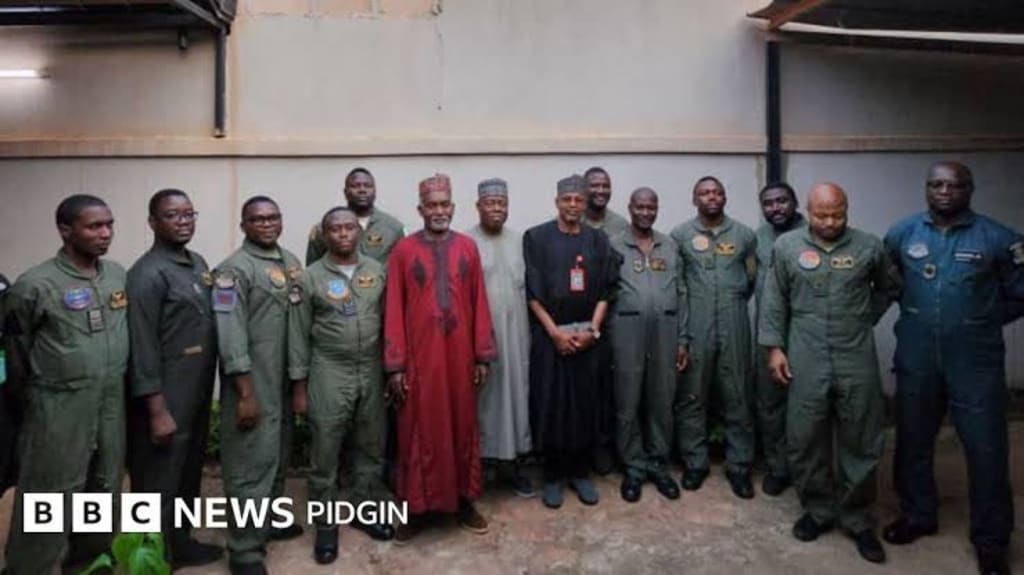
Nigeria has issued a formal apology to Burkina Faso after an incident involving a military flight resulted in the detention of 11 Nigerian servicemen. The development has highlighted the delicate nature of regional military cooperation in West Africa, where cross-border operations against extremist groups are often necessary but fraught with logistical and political challenges.
The detained servicemen, who were part of a Nigerian contingent involved in joint counterterrorism efforts, were held briefly in Burkina Faso after a military flight from Nigeria inadvertently entered restricted airspace. While the specifics of the breach remain under investigation, both nations have described the incident as unintentional, underscoring the importance of clear communication and coordination in regional security operations.
In a statement released by Nigeria’s Ministry of Defence, officials expressed regret for the incident and reiterated the country’s commitment to fostering strong diplomatic and military ties with neighboring states. “Nigeria deeply regrets the circumstances that led to the detention of our servicemen in Burkina Faso. We remain committed to working closely with our regional partners to ensure the safety and security of our personnel and to uphold the principles of mutual respect and cooperation,” the statement read.
Burkina Faso’s authorities, for their part, accepted the apology and emphasized that the matter has been resolved amicably. The country’s defense ministry acknowledged that the detained servicemen were not involved in any hostile activity and that the detention was precautionary, reflecting the heightened sensitivity of military operations in a region increasingly threatened by extremist groups.
The incident comes at a time when West Africa faces growing security challenges, particularly from militant groups operating in the Sahel region. Both Nigeria and Burkina Faso have been actively engaged in efforts to combat these threats, often participating in joint military exercises and intelligence-sharing operations. These initiatives are designed to strengthen the collective capability of the region to respond to insurgencies and prevent the spread of violence across borders.
Despite the apology and swift resolution, the episode has raised questions about the protocols governing military flights and cross-border operations in West Africa. Analysts suggest that the incident highlights the need for stronger coordination mechanisms to prevent similar situations in the future. “Cross-border operations are inherently complex, and incidents like this underline the importance of clearly defined communication channels, flight clearances, and real-time coordination between nations,” said Dr. Amina Bello, a West Africa security expert.
For Nigeria, the incident also underscores the delicate balance the country must maintain in its regional security role. As one of the largest military powers in West Africa, Nigeria has a responsibility to support neighboring countries in their counterterrorism efforts while ensuring that its own personnel are protected from diplomatic or operational mishaps. The apology is seen as a necessary step in maintaining trust and credibility among regional partners.
The swift release of the detained servicemen was welcomed by families, who expressed relief that the situation was resolved without escalation. Relatives highlighted the professionalism of both the Nigerian military and the Burkina Faso authorities in handling the matter and ensuring that the servicemen returned safely.
In addition to diplomatic efforts, military officials from both countries are expected to review operational protocols, particularly those concerning airspace management and cross-border deployments. This review aims to prevent any recurrence of such incidents and to strengthen the overall framework for regional cooperation. Experts note that in regions where militant threats are ever-present, seamless coordination is not just a matter of diplomacy but a crucial component of operational effectiveness.
The incident has also drawn attention to the broader security architecture in West Africa, where multinational initiatives such as the G5 Sahel Joint Force aim to counter terrorism and stabilize conflict-affected areas. While progress has been made, the Nigeria-Burkina Faso episode illustrates the ongoing challenges that come with joint operations, including differing regulations, communication gaps, and the unpredictable nature of conflict zones.
In conclusion, the apology issued by Nigeria and the amicable resolution by Burkina Faso signal a positive step in maintaining regional harmony and operational coordination. While the incident was minor in the grand scheme of military operations, it serves as a reminder of the importance of vigilance, clear protocols, and diplomacy in ensuring that joint security efforts are both effective and safe. As West African nations continue to combat extremism and instability, lessons learned from this episode will likely inform future operations and strengthen the bonds between countries committed to regional peace and security.
About the Creator
Fiaz Ahmed
I am Fiaz Ahmed. I am a passionate writer. I love covering trending topics and breaking news. With a sharp eye for what’s happening around the world, and crafts timely and engaging stories that keep readers informed and updated.
Keep reading
More stories from Fiaz Ahmed and writers in Journal and other communities.
Saudi Arabia Deports 24,000 Pakistani Beggars After Warning to Islamabad
In a sweeping move that has caught international attention, Saudi Arabia recently deported approximately 24,000 Pakistani nationals accused of begging on its streets. The decision, authorities say, follows repeated warnings issued to Islamabad over the growing number of Pakistani citizens involved in street solicitation in the kingdom. This large-scale deportation has sparked discussions about migrant labor policies, socio-economic challenges in Pakistan, and the treatment of expatriates in Gulf countries.
By Fiaz Ahmed about a month ago in Journal
Wild Card Weekend Recap: What Happens Now?
I think I figured out why I love Wild Card Weekend so much. It's because it's the first playoff anything of the calendar year. The NFL season starts in the fall, and once upon a time, the champion was crowned either on or slightly before New Year's. The evolution of the NFL schedule has resulted in the playoffs starting just into the New Year, and currently, the final week of the season falls on the first weekend of the New Year, with Wild Card Weekend coming a week after that. So yes, chronologically, the NFL's Wild Card Weekend serves as the first playoff anything of the calendar year.
By Clyde E. Dawkins7 days ago in Unbalanced



Comments
There are no comments for this story
Be the first to respond and start the conversation.