
Modular Construction Market Booms as Prefab Becomes the New Normal
The construction industry now recognizes prefab as the leading approach to rapidly build scalable infrastructure because developers require more cost-effective and environmentally friendly building solutions.

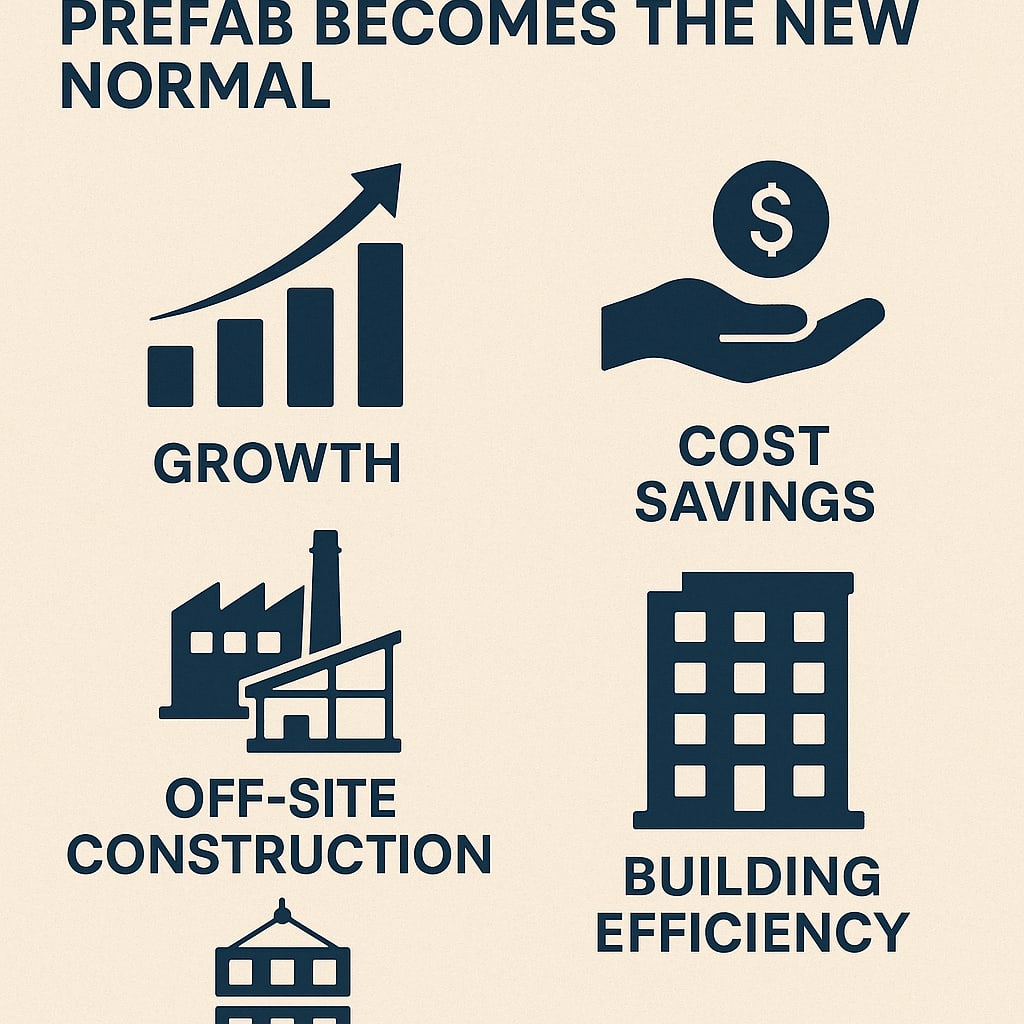
Modular construction is emerging as a leading solution for the global construction industry which faces escalating material prices along with labor shortages and sustainability pressures. Developers, architects and governments now view modular construction as a standard approach to complete high-quality projects more efficiently and sustainably.
Market projections estimate that the modular construction sector will reach a value of USD 103.55 billion in 2024 before experiencing a compound annual growth rate (CAGR) of 7.9% until 2030 due to rising demand in residential, commercial, healthcare, and infrastructure sectors.
🧱 What Is Modular Construction?
Modular construction consists of constructing building sections off-site in controlled settings before assembling them on-site. Modules constructed beforehand can range from simple walls and floors to fully functional rooms equipped with plumbing systems and electrical wiring as well as fixtures.
- Compared to traditional methods, modular construction offers:
- Reduced construction timelines (30–50% faster)
- Modular construction reduces expenditures through bulk buying and standardized designs.
- Minimal waste and improved energy efficiency
- Greater safety through factory-based manufacturing
This prefabricated off-site method accelerates construction while introducing smarter building solutions that transform industry standards.
🚀 Drivers of the Modular Construction Boom
Multiple critical factors drive the increasing popularity of modular construction methods.
1. Urbanization & Housing Shortages
Modular solutions have become the preferred method for both governments and private developers to tackle housing shortages in densely populated areas. The UK, China, and India have taken the lead by using modular systems to address the surge in urban housing requirements.
2. Labor Constraints
Developed economies experience critical labor shortages within their construction sectors. The use of modular construction minimizes the requirement for skilled labor at construction sites because most work occurs in factories where automated processes and repetitive tasks improve efficiency.
3. Speed of Delivery
The construction industry faces very strict real estate deadlines which modular construction addresses through rapid building without sacrificing quality standards. The simultaneous execution of site preparation and module fabrication enables projects to progress significantly faster.
4. Sustainability & ESG Compliance
The increasing strength of ESG (Environmental, Social, Governance) mandates leads companies to choose prefab construction due to its reduced carbon footprint and construction waste alongside energy efficiency advantages.
🏢 Applications Across Sectors
Modular construction now extends beyond temporary structures and low-rise housing. Modular construction finds application in multiple sectors such as:
Residential: Modular construction serves residential needs through the development of affordable housing, student accommodations and high-end modular homes.
Healthcare: The healthcare sector now utilizes modular construction to quickly set up hospitals and clinics following the COVID-19 pandemic.
Hospitality: Modular construction methods enable hotels, resorts, and dormitories to achieve both financial efficiency and time savings during their development.
Commercial: Modular fit-outs and frames are now being used in both office buildings and retail outlets.
Infrastructure: Infrastructure projects now include rest stops and bridges alongside modular data centers.
The development of steel-framed volumetric modules combined with hybrid modular systems and smart prefab kits enables construction of taller structures with enhanced strength and complexity.
🌎 Regional Growth Hotspots
North America: Growing demand for affordable housing combined with government backing propels modular construction adoption across the U.S. and Canada.
Europe: ESG policies together with sustainable building codes drive construction expansion in Sweden, Germany and the UK.
Asia-Pacific: Government programs in China, Japan, and India are actively promoting the use of modular construction methods for both large infrastructure projects and housing developments
⚠️ Challenges and Outlook
Modular construction presents numerous benefits but also faces several obstacles.
- Design limitations and perception issues
- Logistics and transportation complexity for large modules
- Regulatory hurdles across different markets
The initial costs for setting up factories and purchasing technology remain high for modular construction.
The barriers to modular construction are quickly being overcome through widespread acceptance and improved financing models combined with advancements in BIM technology and digital twins as well as automation processes.
✅ Conclusion
Modular construction represents a fundamental revolution in building practices worldwide and goes beyond being just a temporary trend.
The construction industry transforms itself through off-site fabrication while simultaneously reshaping the future of built spaces through modular construction.
About the Creator
Silvie Karson
Passionate storyteller exploring the world of trends. With a background in digital marketing, I craft compelling narratives that inform and inspire. Whether diving into deep-dive features, growth analysis, or trend analysis.
Keep reading
More stories from Silvie Karson and writers in Journal and other communities.
Home Healthcare Market Rises with Telemedicine, AI, and Remote Monitoring
As aging populations and chronic diseases combine with digital disruption to transform our world, home healthcare has become a transformative force that changes care delivery practices. Today's home healthcare system has expanded beyond nurse home visits to incorporate telemedicine, artificial intelligence (AI), remote monitoring and connected devices to provide high-quality medical services at the patient's home.
By Silvie Karson7 months ago in Journal
How to Handle Slow Rendering in Complex Android UI Layouts
When I first started building Android apps with complex layouts, I often ran into a frustrating problem: slow UI rendering. Buttons lagged, scrolling stuttered, and sometimes the app seemed frozen for a second or two. I realized this is a common issue, especially in apps with nested views, large images, or dynamic content.
By Casey Morgan6 days ago in Journal




Comments
There are no comments for this story
Be the first to respond and start the conversation.