
💥 Mid-Range Market Disruptor: Xiaomi’s Next Tablet Threatens the Competition with Snapdragon 7+ Gen 3 and 3.2K Display
Analyzing the leaks: How Xiaomi is challenging the premium tablet segment by delivering flagship-level screen and performance at an aggressive, mid-range price point.

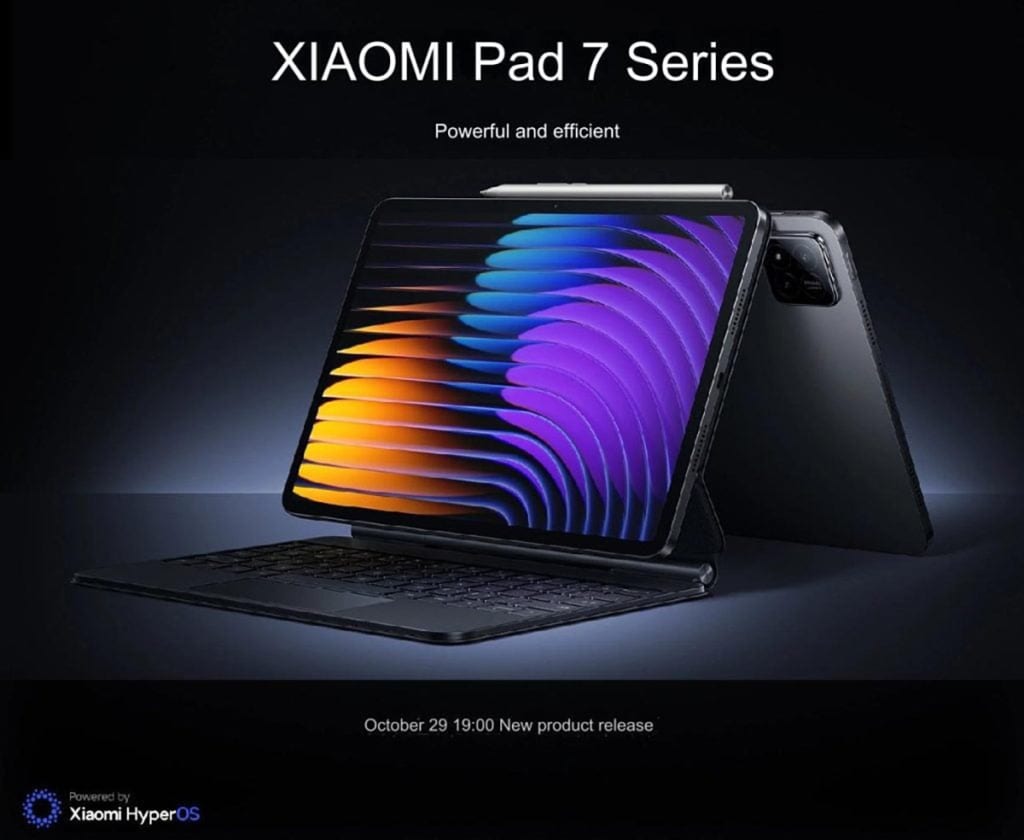
The tablet market is witnessing a renaissance, driven by demands for better productivity and superior entertainment devices. While Apple and Samsung continue to dominate the high-end with their Pro and Ultra models, Xiaomi has historically positioned itself as a potent disruptor, offering near-flagship specifications at a fraction of the cost. The latest leaks regarding Xiaomi’s upcoming tablet—rumored to feature the powerful Snapdragon 7+ Gen 3 processor and a stunning 3.2K display at a mid-range price—suggest the company is preparing to launch a device that fundamentally redefines the concept of "value."
This new tablet, yet to be officially named, is not merely an incremental upgrade; it represents Xiaomi’s calculated strike to corner the premium middle ground, making high-end features accessible to the masses and putting immediate pressure on rivals.
The Performance Engine: Snapdragon 7+ Gen 3
The rumored inclusion of the Snapdragon 7+ Gen 3 chip is the most strategic aspect of this tablet’s design. The Snapdragon 7 series, particularly the '+ Gen 3' variant, has blurred the lines between mid-range efficiency and true flagship performance.
Flagship DNA: The 7+ Gen 3 often shares similar core architectures with its 8-series counterparts, offering significant improvements in sustained performance and, crucially, thermal management. This is vital for a tablet, which is frequently used for extended gaming sessions or heavy multitasking.
AI Acceleration: Like all modern Snapdragon chips, the 7+ Gen 3 includes a dedicated Neural Processing Unit (NPU). This NPU is essential for driving next-generation tablet functionality, including real-time translation, advanced photo editing features, and efficient split-screen operation—all of which are becoming central to the modern tablet experience.
The Power-to-Cost Ratio: By utilizing the 7-series instead of the top-tier 8-series, Xiaomi can significantly reduce its hardware cost without sacrificing the user experience. The performance difference for standard tasks (browsing, streaming, casual gaming) is marginal, but the cost difference allows Xiaomi to offer the tablet at the highly competitive mid-range price point that the leaks suggest.
The Visual Feast: The 3.2K Display
In the tablet sector, the display is arguably the most critical feature. The rumored 3.2K resolution screen (likely an AMOLED or high-end LCD panel) is a direct, uncompromising challenge to premium tablets.
A 3.2K resolution on a tablet-sized screen provides a density that ensures images, text, and video are incredibly sharp, rivaling Apple's Liquid Retina displays. For content creators, designers, and students relying on the tablet for detailed visual work, this is a non-negotiable specification.
Furthermore, it is highly likely that this panel will feature a 120Hz refresh rate. This combination of high resolution and high refresh rate transforms the entertainment experience, making cinematic content look stunning and gaming incredibly fluid. By pairing this high-end screen with the capable Snapdragon 7+ Gen 3, Xiaomi ensures that the tablet can not only render the demanding visuals but also sustain the high frame rates necessary to fully utilize the 120Hz panel.
The Market Impact: Redefining "Mid-Range"
Xiaomi’s strategy with this rumored tablet is to disrupt the current market stratification:
Challenging Samsung’s A-Series: It directly outguns Samsung’s mid-range Galaxy Tab A series, forcing Samsung to reconsider its component choices at the lower price points.
Pressure on Flagship "Lite" Models: The combination of a 3.2K screen and a high-performance 7-series chip makes a compelling argument against buying the "entry-level" versions of flagship tablets from competitors, which often charge a premium for a lower-resolution screen or an older processor.
If Xiaomi can deliver this tablet with a mid-range price tag (likely around the $400 - $550 mark), it will become the undisputed champion of the value-oriented premium segment. It would confirm Xiaomi's commitment to delivering a powerful, high-resolution device that avoids the major technical compromises common at this price tier.
Conclusion: A Strategic Masterstroke
The upcoming Xiaomi tablet, if the leaks are accurate, is a strategic masterstroke. It intelligently uses the powerful, yet cost-efficient, Snapdragon 7+ Gen 3 to drive a truly flagship-level 3.2K display.
This approach bypasses the need for the highest-cost components while concentrating the budget on the two features that users interact with most: the screen and the system responsiveness. This tablet is set to deliver an exceptional balance of price, performance, and visual quality, making it a crucial device for consumers seeking high-end tablet features without the accompanying high-end price tag.
About the Creator
The goals I did not achieve
Every writing goal I made for the year is a wash. It has been this way for a while, but I think it's important to be open about my failures and the reality of how life can get in the way. This is especially true considering the several times I have posted on Vocal about my writing goals, how I was changing my approach, and where I was hoping to be for the upcoming year. I will probably do that again in a couple months, but for now, it is time to acknowledge where I am today.
By Kay Husnick24 days ago in Journal
Why SEO Became the Quiet Salesperson Every Car Dealership Needs
I still remember the day our showroom was spotless, the cars were polished, and the sales team was ready—but hardly anyone walked in. It didn’t make sense at first. We had competitive pricing, trusted brands, and years of experience. Yet the phone barely rang. That moment forced me to confront a truth many car dealers avoid: buyers no longer start their journey on the lot. They start online.
By Anthony Rodgers4 days ago in Journal


Comments
There are no comments for this story
Be the first to respond and start the conversation.