
🍏 The 2026 Entry Strategy: Analyzing Apple’s Low-Cost Tech Offensive
From the budget iPhone 17e to a revolutionary, affordable MacBook powered by A-series silicon, Apple is preparing a market shockwave aimed at value and accessibility.

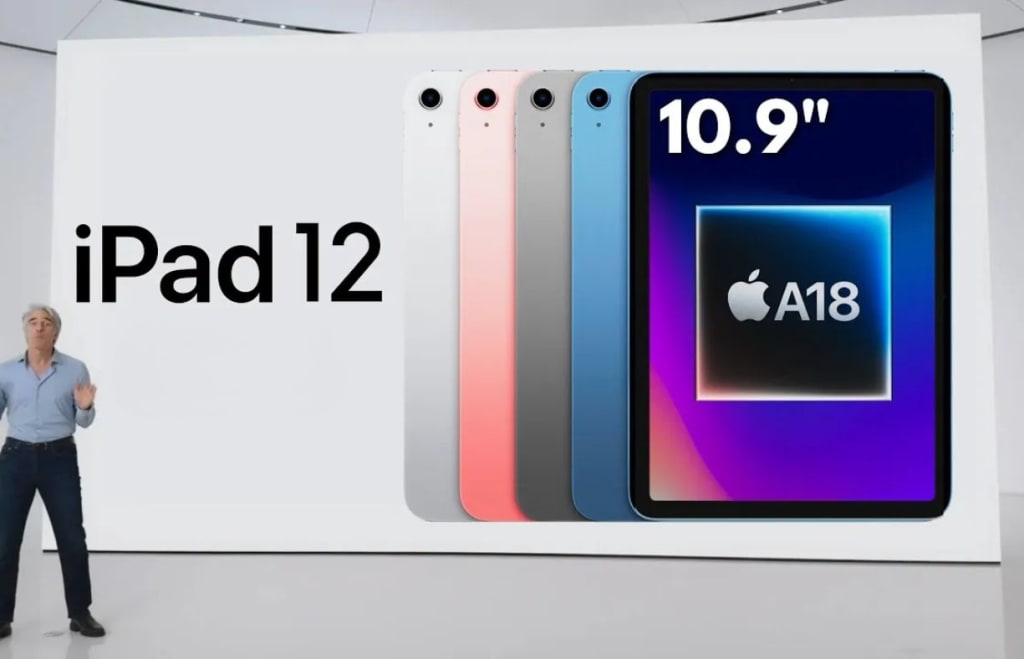
Apple’s product cycle has historically been predictable, centered around flagship events in September and October. However, mounting market pressure, particularly in developing economies and the education sector, appears to be driving a significant strategic shift. New leaks and industry reports suggest that early 2026 could see Apple launch an unprecedented wave of affordable, yet technologically sophisticated, devices aimed squarely at the entry-level and mid-range markets.
The rumored lineup—the iPhone 17e, the iPad Gen 12, and a potential new "Budget" MacBook powered by A-series chips—indicates Apple is ready to sacrifice premium pricing on certain models to secure broader market share and, crucially, expand its highly profitable Services ecosystem to millions of new users.
1. The iPhone 17e: A Focus on Essential Excellence
The designation "17e" suggests an evolution of the strategy employed by the iPhone SE line, but with a renewed focus on modernizing the chassis. The iPhone 17e is expected to drop the aging SE design (based on the iPhone 8) and adopt a more contemporary look, possibly mirroring the flat edges of the recent Pro models, but constructed with more cost-effective materials (likely aluminum alloy and standard glass).
Processor Strategy: To maintain a low price point, the 17e will likely use a slightly older, yet still highly capable, A-series chip (perhaps the A17 or A18). This strategy ensures flagship-level performance for several years of software updates while keeping manufacturing costs down.
The 'Essentials' Focus: The phone is expected to prioritize core functions: 5G connectivity, an excellent single or dual-camera system, and the latest iOS features. This product targets consumers who want the security and longevity of iOS without paying for the ProMotion display, LiDAR scanner, or high-end titanium build. The 17e is positioned to be a formidable competitor to premium mid-range Android devices, offering a pathway into the Apple ecosystem at an aggressive price.
2. The iPad Gen 12: Dominating the Education Market
The standard-tier iPad has always been Apple's primary weapon in the education and casual consumption sectors. The iPad Gen 12 is rumored to continue this tradition, focusing heavily on enhanced display quality and accessory support.
The key rumored improvements are incremental but significant: a slightly thinner chassis, a possible move to a fully laminated display (reducing the air gap and improving the Apple Pencil experience), and, critically, the adoption of the USB-C standard across all its accessories. This consistency in charging and connectivity simplifies life for school administrators and families alike.
The continued use of a slightly older, cost-optimized A-series chip maintains its affordability while providing more than enough power for educational apps, gaming, and basic multitasking. The Gen 12 aims to maintain its dominance by providing the most reliable, secure, and user-friendly tablet experience at the most accessible price point.
3. The Budget MacBook: A Radical New Platform
Perhaps the most disruptive rumor of the early 2026 lineup is the introduction of a completely new, low-cost MacBook powered by a refined A-series (iPhone) chip and featuring 8GB of RAM. This represents a radical departure from the current M-series Mac lineup.
The Strategic Rationale:
Cost Efficiency: Utilizing the high-volume A-series chip (like the A18 or A19), which is already optimized for power efficiency and mass-produced for the iPhone and iPad, allows Apple to dramatically reduce the cost of the main logic board compared to the bespoke M-series processors.
Targeting ChromeOS: This device is clearly aimed at conquering the low-end laptop market, directly challenging the dominance of ChromeOS (Chromebooks) in K-12 education and emerging markets. A MacBook running macOS—with its superior software ecosystem and application compatibility—but priced competitively with a high-end Chromebook could instantly dominate the sector.
Performance vs. Power: While the A-series chip might seem underpowered compared to the M-series, its massive efficiency gains, coupled with the unified memory architecture (even at 8GB), would still deliver smooth performance for web browsing, cloud work, office applications, and light creative tasks—the precise requirements of its target market.
This low-cost MacBook, if successful, fundamentally changes the Mac’s market share and acts as a powerful funnel for bringing new users into the complete Apple ecosystem (macOS, iCloud, and Services) years before they might otherwise upgrade to a premium machine.
Conclusion: The Accessibility Ecosystem
The leaked 2026 lineup—the affordable iPhone 17e, the optimized iPad Gen 12, and the game-changing budget MacBook—is a clear statement of intent. Apple is strategically weaponizing its extraordinary silicon efficiency and operating system integration to win the global battle for market share and user base expansion. By providing compelling, powerful entry points at aggressive prices, Apple ensures that its most valuable asset—the Services ecosystem—continues its relentless and profitable growth across all segments of the global consumer base.
About the Creator
How Receipt Printers Improve Checkout Speed in Retail Stores
Introduction Retail stores in New Zealand often face long queues during busy hours. Customers expect quick service, especially in supermarkets, convenience stores, and small retail outlets. When checkout lines move slowly, shoppers may feel frustrated and leave the store with a negative experience.
By POS Central NZ4 days ago in Journal
Becca
"Everything is so... flat." Denille said stupidly as she looked around her new neighborhood. She looked around at the muted desert where even the smallest sign of life seemed to have given up. The plant life was shrubs that were half cooked by the heat and where there should have been a lawn, a mess of white rocks laid glistening in the sun. Even the sky looked stretched thin, like the sun had ironed it smooth. She’d moved from Riverside, where at least there were hills, but here in Barstow, everything felt baked and brittle.
By Sara Wilson7 days ago in Fiction


Comments (1)
tks!