

Introduction: The Silent Struggle of Sleepless Nights
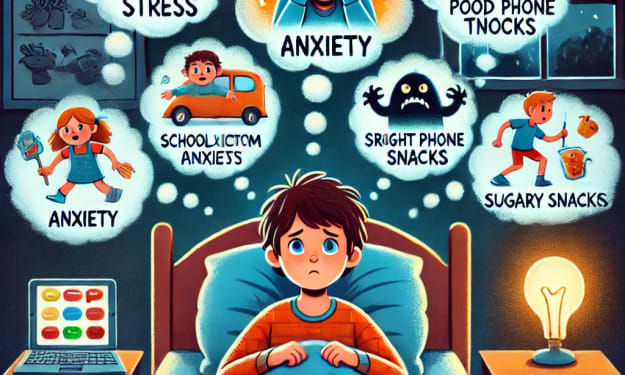
Have you ever noticed your child tossing and turning at night, unable to fall asleep? Or maybe they wake up frequently, looking exhausted the next morning? Anxiety and stress could be the hidden culprits behind your child’s sleep struggles.
Children experience stress just like adults, but they may not always express it in words. Instead, it often shows up in restless sleep, nightmares, and bedtime resistance. If not addressed, chronic stress can lead to serious sleep disorders in children, affecting their health, mood, and even brain development.
Let’s explore how anxiety and stress impact sleep in children and what parents can do to help.
How Stress and Anxiety Disrupt Sleep in Children
1. Increased Nighttime Wake-Ups and Insomnia
When a child is stressed, their body produces higher levels of cortisol (the stress hormone), which makes it harder to relax. Instead of winding down, their mind stays overactive, leading to:
✔ Difficulty falling asleep
✔ Waking up frequently
✔ Feeling tired even after a full night’s rest
Fact: Studies show that children with anxiety disorders are 2-3 times more likely to suffer from insomnia compared to those without anxiety.
2. Nightmares and Night Terrors
Stress and anxiety can trigger intense nightmares or night terrors, making children afraid to go to bed. This fear creates a cycle where they avoid sleep, leading to further sleep deprivation and exhaustion.
3. Restless Leg Syndrome and Movement Disorders
Some children develop restless leg syndrome (RLS) or other movement disorders linked to stress. This can cause:
✔ Uncontrollable leg movements during sleep
✔ An urge to move their legs while lying down
✔ Poor-quality sleep and constant fatigue
4. Sleep Apnea and Breathing Issues
Stress can worsen breathing problems in children with sleep apnea. If your child snores loudly, gasps for air during sleep, or has pauses in breathing, stress might be making their condition worse.
Fact: According to the American Academy of Pediatrics, 1-5% of children have sleep apnea, often linked to stress and anxiety.
5. Epilepsy and Sleep Disturbances
For children with epilepsy, anxiety can increase the risk of nocturnal seizures. Lack of sleep can also make epilepsy symptoms worse, leading to a dangerous cycle of poor sleep and increased seizures.
The Long-Term Effects of Poor Sleep in Children
- If stress-related sleep issues continue, they can lead to:
- Increased risk of behavioral problems (irritability, aggression, mood swings)
- Poor concentration and lower academic performance
Higher risk of developing neurological disorders like Parkinson’s disease later in life
Weakened immune system, making children prone to frequent infections
Fact: A Harvard study found that children who sleep less than 8 hours per night are 50% more likely to develop emotional and behavioral disorders.
How Parents Can Help Their Child Sleep Better
1. Establish a Consistent Sleep Routine
- Set a fixed bedtime and wake-up time (even on weekends!)
- Create a calm bedtime routine (reading a book, listening to soft music)
- Avoid screens (TV, tablets, phones) at least 1 hour before bedtime
2. Reduce Anxiety Before Bedtime
- Teach deep breathing exercises or simple meditation techniques
- Encourage journaling or talking about their worries
- Use a weighted blanket to provide a sense of security
3. Improve Sleep Environment
- Keep the bedroom cool, dark, and quiet
- Use aromatherapy (lavender essential oil) to promote relaxation
- Remove distractions like excess toys and bright lights
4. Get Professional Help
If your child’s sleep problems persist, consulting a sleep consultant in Delhi can help. They can conduct sleep studies and recommend therapies for conditions like:
✔ Insomnia
✔ Sleep apnea
✔ Movement disorders
✔ Nightmares
5. Treat Underlying Medical Conditions
If your child has epilepsy, sleep apnea, or another medical condition, managing it properly can greatly improve their sleep. Medications, lifestyle changes, and therapy can all help in controlling symptoms.
Pro Tip: If you’re in Delhi, look for a certified sleep specialist who can provide personalized sleep therapy for your child.
Final Thoughts: A Well-Rested Child is a Happy Child
Anxiety and stress are often silent enemies of good sleep in children. As parents, understanding these triggers and making simple changes can transform your child’s sleep—and overall well-being.
By creating a soothing bedtime routine, reducing anxiety, and seeking professional help when needed, you can help your child get the restful, healthy sleep they deserve.
Did This Help?
If you found this guide helpful, share it with other parents! Let’s help every child sleep better and wake up stronger.
About the Creator
Keep reading
More stories from Dr manvir bhatia and writers in Journal and other communities.
Why We Don't ignore children Sleep Health
Causes of Childhood Insomnia: Stress, Anxiety, Poor Sleep Hygiene, and Medical Conditions Sleep is essential for a child’s growth, development, and overall well-being. However, many children struggle with insomnia, which means they have difficulty falling asleep, staying asleep, or waking up too early. Poor sleep can affect their mood, energy levels, and ability to concentrate in school.
By Dr manvir bhatia11 months ago in Journal
Building Modern Applications with Cloud-Native Architecture Patterns
Any time cloud-native architecture comes up, the conversation usually gets heavy fast. People start throwing around terms that sound impressive but don’t always mean much in real projects. Most of that confusion doesn’t come from actually building software. It comes from slide decks, vendor demos, and blog posts that try too hard to explain simple ideas.
By Jonathan Byersa day ago in Journal



Comments (1)
I hope my mister kids are safe! Good work