
Why We Don't ignore children Sleep Health
manvir Bhatia
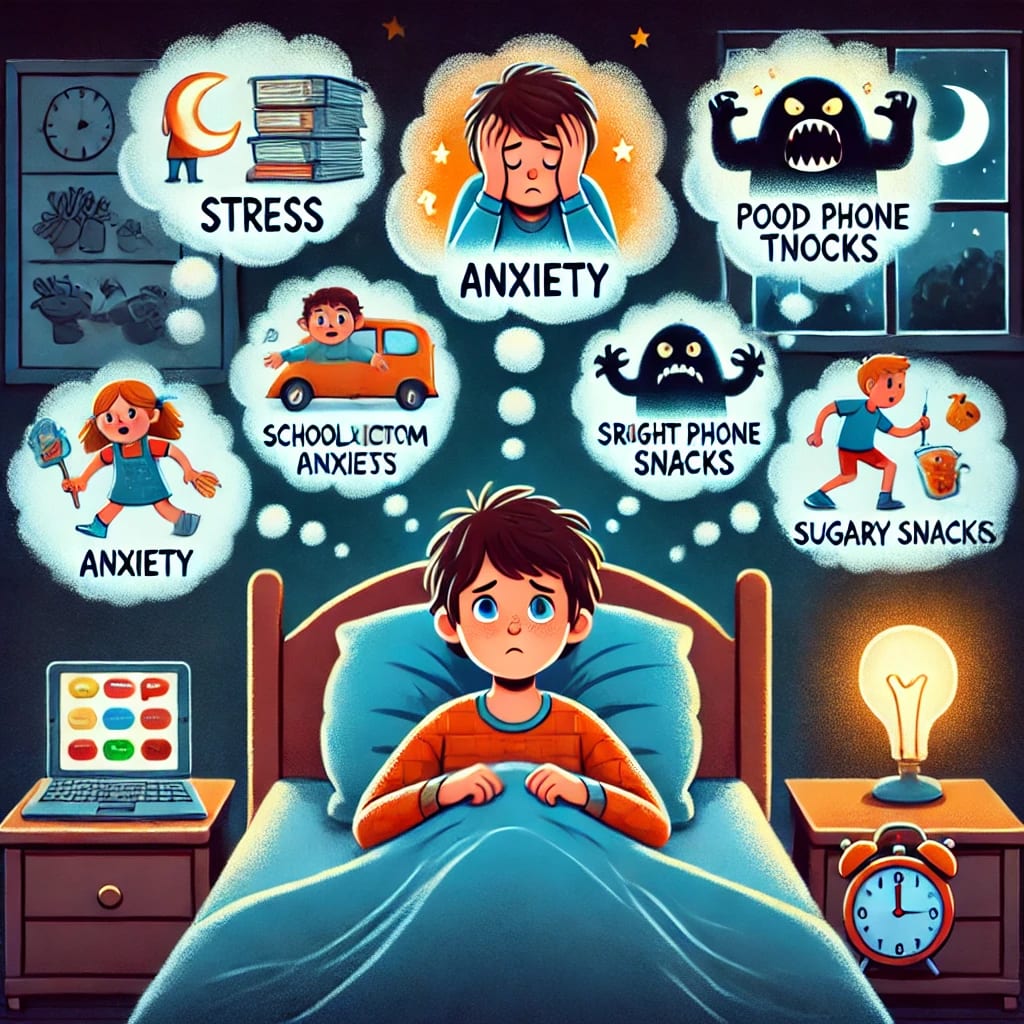
Causes of Childhood Insomnia: Stress, Anxiety, Poor Sleep Hygiene, and Medical Conditions
Sleep is essential for a child’s growth, development, and overall well-being. However, many children struggle with insomnia, which means they have difficulty falling asleep, staying asleep, or waking up too early. Poor sleep can affect their mood, energy levels, and ability to concentrate in school.
Several factors can cause childhood insomnia, including stress, anxiety, poor sleep habits, and medical conditions like epilepsy, Parkinson’s disease, and other sleep disorders. Let’s explore these causes in detail and understand how parents can help their children get better sleep.
1. Stress and Anxiety: The Silent Sleep Disruptors
Children, like adults, experience stress and anxiety, which can make it hard for them to relax at bedtime. Some common causes of stress in children include:
- School-related pressure (exams, homework, or peer relationships)
- Family issues (conflicts, divorce, or loss of a loved one)
- Bullying or social anxiety
- Fear of the dark or nightmares
When a child is anxious, their brain remains active even when they try to sleep. This makes it difficult for them to calm down and fall asleep. Over time, chronic stress can lead to severe sleep disorders, worsening both emotional and physical health.
How to Help:
Encourage your child to talk about their worries before bedtime.
Create a calming bedtime routine (reading a book, gentle music, or deep breathing exercises).
Avoid discussing stressful topics right before sleep.
2. Poor Sleep Hygiene: Bad Habits That Disrupt Sleep
Good sleep hygiene refers to healthy bedtime habits that promote quality sleep. Unfortunately, many children develop poor sleep habits, which can lead to insomnia and other sleep disorders. Some common sleep hygiene mistakes include:
Irregular Sleep Schedule – Going to bed at different times every night confuses the body’s internal clock.
Too Much Screen Time – Using mobile phones, tablets, or watching TV before bed reduces the production of melatonin, a hormone that helps regulate sleep.
Caffeine and Sugary Snacks Before Bed – Chocolate, soda, or energy drinks can keep children awake longer.
Uncomfortable Sleeping Environment – A noisy, too-bright, or overly warm room can make it hard to fall asleep.
How to Improve Sleep Hygiene:
Set a fixed bedtime and wake-up time (even on weekends).
Turn off electronic devices at least one hour before bedtime.
Ensure the bedroom is quiet, dark, and cool for a comfortable sleep.
Avoid giving caffeinated or sugary foods in the evening.
3. Medical Conditions: Hidden Causes of Insomnia in Children
Sometimes, underlying health conditions can cause chronic insomnia in children. Certain neurological and sleep disorders affect the brain’s ability to regulate sleep.
A. Epilepsy and Sleep Disorders
Children with epilepsy often experience disrupted sleep due to nighttime seizures. Epileptic seizures can occur during sleep, causing frequent awakenings or making it difficult to enter deep sleep stages. Poor sleep can also increase the risk of seizures, creating a vicious cycle.
B. Parkinson’s Disease and Sleep Problems
Although Parkinson’s disease is more common in adults, some children develop Juvenile Parkinson’s Disease. This condition can cause restless sleep, vivid dreams, and difficulty staying asleep.
C. Other Sleep Disorders Affecting Children
Restless Legs Syndrome (RLS) – A condition where children feel an uncomfortable urge to move their legs at night.
Sleep Apnea – Breathing interruptions during sleep, often caused by enlarged tonsils or obesity.
Circadian Rhythm Disorders – Irregular sleep-wake cycles due to delayed sleep phase syndrome (DSPS).
How to Manage Medical-Related Insomnia:
If your child has epilepsy, consult a doctor about seizure management and its impact on sleep.
For Parkinson’s-related sleep disturbances, a specialist can suggest medications or therapies to improve rest.
A sleep study may help diagnose conditions like sleep apnea or restless legs syndrome.
Final Thoughts: Helping Children Overcome Insomnia
Sleep problems in children should never be ignored, as they can affect physical health, emotional well-being, and academic performance. By addressing stress, improving sleep hygiene, and managing medical conditions like epilepsy, Parkinson’s, and other sleep disorders, parents can help their children enjoy restful and refreshing sleep.
If your child continues to struggle with insomnia, it’s best to consult a pediatrician or sleep specialist to find the right solution.
About the Creator
Keep reading
More stories from Dr manvir bhatia and writers in Journal and other communities.
What is Sleep Apnea? Causes, Symptoms, and Treatment
What is Sleep Apnea? Causes, Symptoms, and Treatment Sleep apnea is a serious sleep disorder in which breathing repeatedly stops and starts during sleep. These pauses in breathing can last for a few seconds to minutes and may happen multiple times in an hour. If left untreated, sleep apnea can lead to serious health problems such as high blood pressure, heart disease, diabetes, and stroke.
By Dr manvir bhatia11 months ago in Journal
The Role of Confession in Spiritual Growth
Confession, also called the Sacrament of Reconciliation, is one of the most powerful and transformative practices in Catholic life. Through this sacrament, Catholics seek God’s forgiveness for sins, experience His mercy, and receive spiritual guidance. Far from being a routine obligation, confession is a vital pathway to spiritual growth, healing, and deeper communion with God. Understanding its purpose, benefits, and proper approach can enrich a believer’s faith and daily life.
By Sound and Spirit7 days ago in Journal


Comments
There are no comments for this story
Be the first to respond and start the conversation.