
Mastering Your Self Assessment Tax Return: A Step-by-Step Breakdown
Let’s walk through the process of submitting your return with clarity and confidence.


Completing your taxes can seem like navigating a labyrinth, but with a bit of planning, your Self Assessment Tax Return doesn’t have to be intimidating. Whether you're newly self-employed or managing multiple streams of income, staying compliant with HMRC is both a legal duty and a financial safeguard.
Let’s walk through the process of submitting your return with clarity and confidence.
Who Must Submit a Self Assessment Tax Return?
You're expected to file a Self Assessment Tax Return if your earnings are not entirely processed through PAYE. This includes individuals who:
- Operate as sole traders or freelancers
- Receive rental income from property
- Earn dividends, foreign income, or capital gains
- Hold directorships
- Make over £100,000 annually
- Receive untaxed income from other sources
Even if HMRC hasn’t explicitly asked you to file, you must check your obligation.
Registering with HMRC
For newcomers, registration is essential before you can file your Self Assessment Tax Return. Use the relevant form based on your circumstances:
- CWF1 – for the self-employed
- SA1 – for untaxed non-business income
- SA400/SA401 – for partnerships
Once registered, HMRC will issue your Unique Taxpayer Reference (UTR), which is required every time you submit your return.
Gather Your Financial Details
Organise all necessary paperwork before starting your Self Assessment Tax Return. Depending on your income type, you may need:
- Employment documents (P60, P45)
- Records of business revenue and costs
- Bank interest and dividend slips
- Rental statements
- Details of pensions or state benefits
- Proof of charitable donations
- Student loan repayment summaries
Being thorough upfront can help avoid last-minute errors or delays.
How and When to File
You can submit your Self Assessment Tax Return in two formats:
- Paper: Must be filed by 31 October
- Online: Deadline is extended to 31 January
Filing online offers automatic calculations and faster submission, plus confirmation of receipt from HMRC.
The SA100 Core Form
At the heart of your Self Assessment Tax Return lies the SA100. This form includes sections for:
- Employment and self-employment income
- Rental and savings income
- Dividends and capital gains
- Student loan repayments
- Charitable contributions
- Pension and benefit payments
Ensure figures are accurate and supported by proper documentation.
Additional Forms That May Apply
Your financial activity might require supplementary forms to accompany the SA100:
- SA103 – Self-employment
- SA105 – Property income
- SA106 – Overseas income
- SA108 – Capital gains
- SA102 – Employment (if extra detail is needed)
Attach only the forms relevant to your income sources.
Deductible Expenses and Reliefs
If you’re self-employed or rent out property, your Self Assessment Tax Return lets you claim certain allowable expenses, such as:
- Business travel and mileage
- Office and stationery costs
- Utilities, phone, and broadband
- Legal, professional, and accounting fees
- Insurance premiums and marketing expenses
Each deduction must be directly related to your business and backed by valid receipts.
Reviewing Before Submission
Before you hit submit, audit your Self Assessment Tax Return for:
- Omissions or inconsistencies
- Incorrect UTR or National Insurance number
- Overstated or unsupported expense claims
- Unreported earnings
A detailed review helps avoid fines, investigations, or unwanted attention from HMRC.
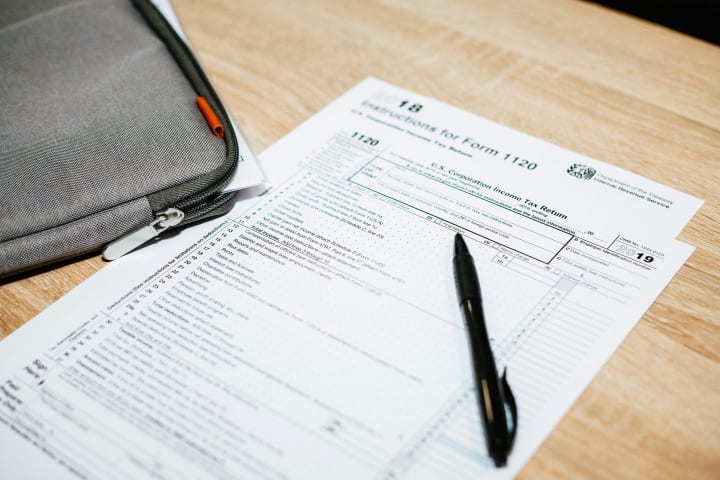
Once your Self Assessment Tax Return is processed, HMRC will calculate how much tax you owe. Your payment must be made by 31 January. You might also need to make payments on account, which are advance instalments toward your next tax bill. These are due in:
- January
- July
Missing a deadline could result in penalties and accruing interest, so budget accordingly.
Need to Amend Your Return?
Errors happen. If you've submitted a return and later spot a mistake, you can make corrections online or via post for up to 12 months after the original deadline. This ensures your Self Assessment Tax Return stays accurate and up to date.
- Avoiding Common Pitfalls
- Here are frequent mistakes to avoid:
- Filing after the deadline
- Misreporting income or omitting key sources
- Including ineligible expenses
- Overlooking changes in tax legislation
- Neglecting to update your contact or payment details
Timely preparation and careful review can help you sidestep these errors.
When to Seek Expert Support
Handling your Self Assessment Tax Return yourself is feasible for many, but if you’re dealing with:
- Complex income from multiple sources
- Overseas earnings or capital gains
- Partnership tax arrangements
- Changes in tax residence
…then hiring an accountant may be worth the investment. A professional can ensure accuracy, optimize your deductions, and keep you fully compliant with current tax rules.
Final Thoughts
Your Self Assessment Tax Return is more than just a form—it’s a snapshot of your financial activity and obligations. Approaching it with discipline and diligence saves you stress, ensures compliance, and keeps you in good standing with HMRC.
Start early, stay organized, and double-check every detail. With care and clarity, filing your tax return becomes a task well within reach.
..
..
For more information please visit : Self Assessment tax return
About the Creator
Self Assessment Tax Return
Get your HMRC Self Assessment Tax Return filed by trusted UK accountants. Whether you’re self-employed, a landlord, or a freelancer etc
Fixed-Fee, No Hidden Costs
Regulated by ICAEW, ACCA & AAT top three accountancy bodies
Keep reading
More stories from Self Assessment Tax Return and writers in Journal and other communities.
A Complete Guide to Self Assessment Tax Returns in London
Navigating the UK tax system can feel labyrinthine, particularly for individuals and businesses with complex income streams. In London, where entrepreneurial activity, property investment, and freelance work thrive, understanding self assessment is not merely advisable—it is essential. This guide offers a comprehensive exploration of how self assessment tax returns work, who needs to file them, key deadlines, common pitfalls, and the value of professional support.
By Self Assessment Tax Returnabout a month ago in Journal
A Knight of the Seven Kingdoms Series Review (Season 1)
As one of the biggest properties in fantasy, A Song of Ice and Fire remains immensely popular with audiences. After reaching far into the past with House of the Dragon, a second spin-off was on the cards. A Knight of the Seven Kingdoms serves up a bite-sized slice of action and drama, but it still claims a spot among the best small-screen titles.
By Robert Cain2 days ago in Geeks




Comments
There are no comments for this story
Be the first to respond and start the conversation.