
A Ray of Light: U.S. Senate Advances Bill to End Historic Federal Shutdown
After 40 days of gridlock, lawmakers take the first real step toward reopening the government

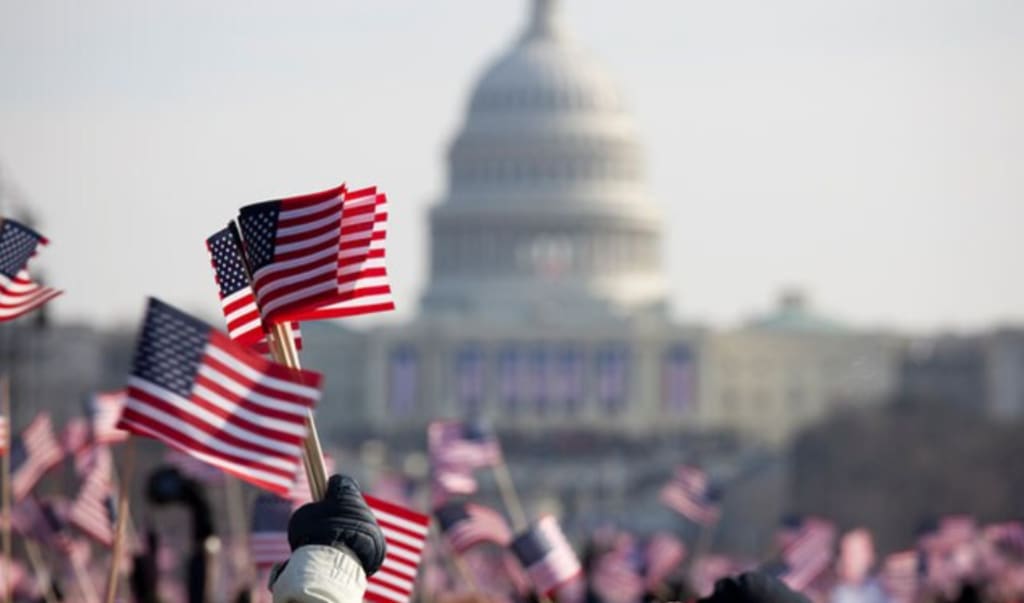
After more than a month of political stalemate, the United States Senate has finally taken a decisive step toward ending the longest federal government shutdown in American history. On Sunday, senators voted to advance a bipartisan stopgap funding measure, giving millions of furloughed federal employees, anxious contractors, and frustrated travelers a glimmer of hope that Washington may soon get back to work.
The vote—60 to 40 in favor—marks the first major movement in weeks toward reopening shuttered government agencies. The measure, if approved by the House of Representatives and signed by the president, would temporarily fund government operations through January 30, 2026, buying Congress more time to negotiate a full-year budget agreement.
The Anatomy of the Deal
The proposed legislation is not a full budget but a continuing resolution (CR) — a short-term fix designed to restart essential services and restore stability. It includes:
- Funding for key federal agencies, including the Departments of Transportation, Health and Human Services, and Homeland Security.
- Guaranteed back pay for federal workers who have missed paychecks during the shutdown.
- Temporary extensions of several social programs, including food assistance and veterans’ benefits.
- A six-week window for lawmakers to finalize broader budget priorities before funding again runs out at the end of January.
Notably, the measure does not include new spending on controversial programs such as expanded border wall construction or healthcare subsidy reforms—issues that helped trigger the stalemate in the first place.
What Led to the Shutdown
The 2025 shutdown began on October 1, the first day of the federal fiscal year, when Congress failed to pass annual appropriations bills. Disagreements over healthcare funding—specifically the extension of Affordable Care Act (ACA) subsidies—and proposed cuts to environmental and education programs created a budget impasse that neither side could break.
Over the following weeks, the impact rippled far beyond Capitol Hill. Hundreds of thousands of federal workers were furloughed or forced to work without pay. National parks closed, passport processing ground to a halt, and federal courts warned of delayed proceedings. The economy took a measurable hit: according to the Congressional Budget Office (CBO), the shutdown has already cost the U.S. more than $7 billion in lost productivity and could reach $14 billion if it continues another month.
The Turning Point
The Senate’s action came after days of backroom negotiations between party leaders who had faced growing pressure from both the public and private sectors. The air travel chaos over the weekend—more than 10,000 flight delays and 2,800 cancellations due to FAA staffing shortages—appears to have been a breaking point.
Major business groups, including the U.S. Chamber of Commerce and several state governors, called on Congress to act swiftly, warning of broader economic fallout if the impasse continued into the holiday season.
In a rare show of unity, eight senators from both parties crossed the aisle to support the procedural motion to advance the bill. While not yet a final passage, this vote signals that a compromise is within reach.
Reactions Across Washington
Senate Majority Leader Chuck Schumer hailed the vote as a “turning point,” emphasizing the human cost of delay. “Every day we stay closed, real Americans suffer — from TSA workers missing paychecks to small businesses losing contracts,” Schumer said on the Senate floor.
Republican leaders also signaled cautious optimism. “This isn’t the perfect bill,” said Minority Leader Mitch McConnell, “but it gets our government open, restores pay to our workers, and puts us back at the negotiating table where we belong.”
Still, not all lawmakers were satisfied. Some progressive Democrats criticized the bill for excluding healthcare subsidy extensions, while several conservatives opposed it for failing to cut spending. The result is a fragile compromise — a temporary ceasefire rather than a lasting peace.
What Happens Next
The bill now heads to the House of Representatives, where its fate remains uncertain. Speaker Hakeem Jeffries has indicated he intends to bring the measure to the floor “as soon as possible,” though some members are demanding amendments before passage.
If approved by the House, the bill would move to the president’s desk for signature — potentially ending the shutdown within days. Federal employees would then receive back pay, agencies would resume normal operations, and critical programs would restart.
However, the relief could be short-lived. With funding extended only until the end of January, another shutdown looms if deeper budget issues remain unresolved.
The Bigger Picture
Beyond the politics, this shutdown has become a powerful symbol of the costs of dysfunction. It exposed how deeply federal systems are interwoven into daily American life — from flight control and food safety to social services and research funding.
Whether this Senate breakthrough leads to genuine progress or just a temporary patch remains to be seen. For now, Americans exhausted by weeks of uncertainty are watching closely — hoping that, this time, Congress can keep the lights on for good.
#GovernmentShutdown2025 #USPolitics #SenateVote #FederalWorkers #BudgetCrisis #BreakingNews #EconomicImpact #Congress #WashingtonDC
About the Creator
Shakil Sorkar
Welcome to my Vocal Media journal💖
If my content inspires, educates, or helps you in any way —
💖 Please consider leaving a tip to support my writing.
Every tip motivates me to keep researching, writing, sharing, valuable insights with you.
Keep reading
More stories from Shakil Sorkar and writers in Journal and other communities.
“Sex, Power, and the Crown: The Scandal That Shook the Royal Family”
When the British royal family faces scandal, the world watches — and in 2025, the eyes of millions are once again turned toward Prince Andrew, Duke of York. Nearly six years after his first public reckoning over sexual assault allegations linked to Jeffrey Epstein, the controversy has returned in full force.
By Shakil Sorkar4 months ago in Journal
Author’s Advice
If you would’ve asked me 20 years ago did I know I’d become a writer and an author, I would’ve said “nope, ain’t happening”. As fate would have it I did become an author and I can honestly say I’m loving it so far. It really does feel good to be a writer. I’ve learned a lot on this journey and I feel like with even me being as new to this world as I am, there’s some wisdom I need to share with every other aspiring author.
By Joe Patterson5 days ago in Journal




Comments
There are no comments for this story
Be the first to respond and start the conversation.