
Spiti Valley: A Journey Through India's Hidden Himalayan Gem
Experience The Unique Charm And Hidden Treasures Of Spiti Valley
Introduction
Nestled high in the Himalayas, Spiti Valley is a cold desert mountain valley located in the northeastern part of the Indian state of Himachal Pradesh. Known for its surreal landscapes, ancient monasteries, and vibrant culture, Spiti Valley is a haven for adventure seekers, nature lovers, and spiritual enthusiasts. Its remote location and unique terrain offer a sense of tranquility and solitude that is hard to find elsewhere.
Geography and Climate
Spiti Valley, often referred to as 'Little Tibet,' sits at an average elevation of around 12,500 feet above sea level. It is surrounded by the towering peaks of the Himalayas, which remain snow-clad for most of the year. The valley is characterized by its rugged terrain, barren landscapes, and sparse vegetation, giving it a stark beauty.
Best Time to Visit: The best time to visit Spiti Valley is during the summer months, from late May to early October. During this period, the weather is pleasant, with temperatures ranging between 15°C to 20°C during the day and dropping to around 0°C at night. Winter months, from November to April, bring heavy snowfall, making the region inaccessible by road.
How to Reach Spiti Valley
By Road: The most popular way to reach Spiti Valley is by road. There are two main routes: the Shimla-Kinnaur-Spiti route and the Manali-Rohtang Pass-Spiti route. The former remains open for a longer duration, while the latter is open only during the summer months due to heavy snowfall.
By Train: The nearest railway station to Spiti Valley is in Shimla. From Shimla, one can hire a taxi or take a bus to reach Spiti via the Kinnaur route.
By Air: The nearest airport is in Bhuntar, near Kullu, which is about 245 km from Kaza, the headquarters of Spiti Valley. However, the road journey from the airport to Spiti is long and arduous, and it is advisable to travel by road from Shimla or Manali.
Key Attractions
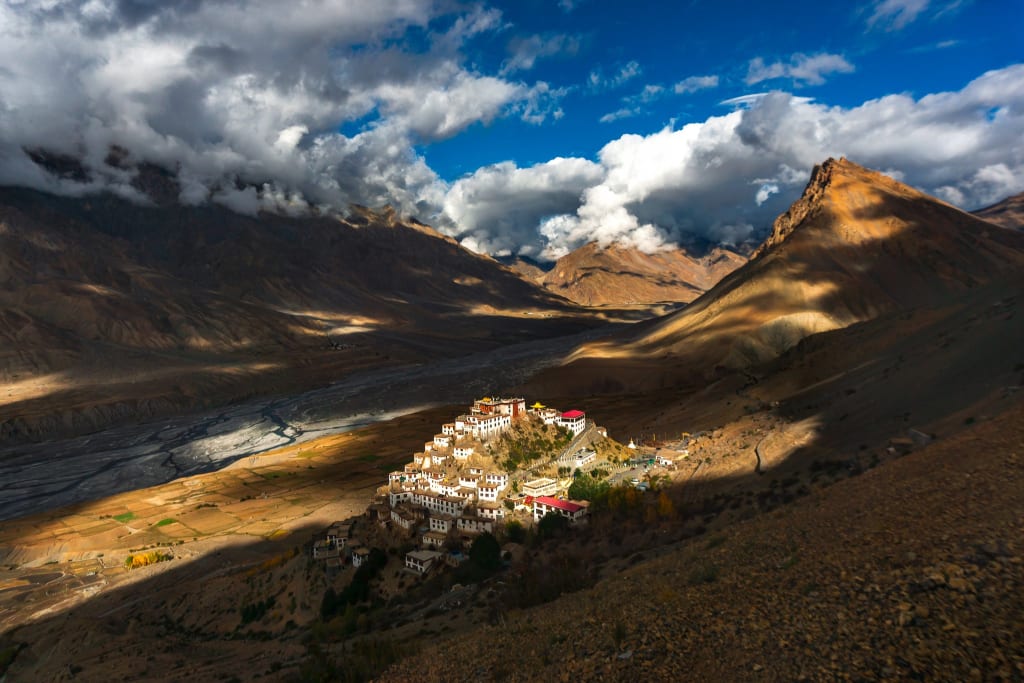
Monasteries: Spiti Valley is home to some of the most ancient and revered Buddhist monasteries in India. The Key Monastery, perched atop a hill, offers panoramic views of the valley. The Dhankar Monastery, situated on a cliff, provides a stunning view of the confluence of the Spiti and Pin rivers. The Tabo Monastery, over a thousand years old, is known for its exquisite murals and ancient scriptures.
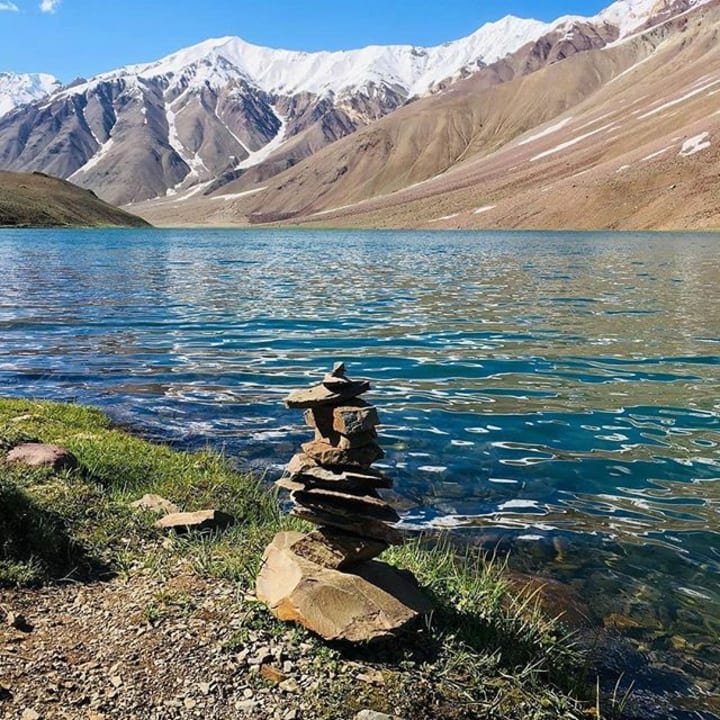
Lakes: The crystal-clear Chandratal Lake, also known as the 'Moon Lake,' is a popular trekking destination. Suraj Tal, the 'Lake of the Sun,' is another high-altitude lake that offers breathtaking views.
Villages: The quaint villages of Spiti Valley, such as Kaza, Kibber, and Langza, offer a glimpse into the traditional lifestyle of the local people. These villages are known for their unique mud-brick houses, ancient monasteries, and stunning landscapes.
Trekking and Adventure Activities: Spiti Valley is a paradise for trekkers and adventure enthusiasts. Popular treks include the Pin Parvati Pass trek, the Kanamo Peak trek, and the Spiti-Lahaul trek. Other activities include mountain biking, river rafting, and camping.
Cultural Insights
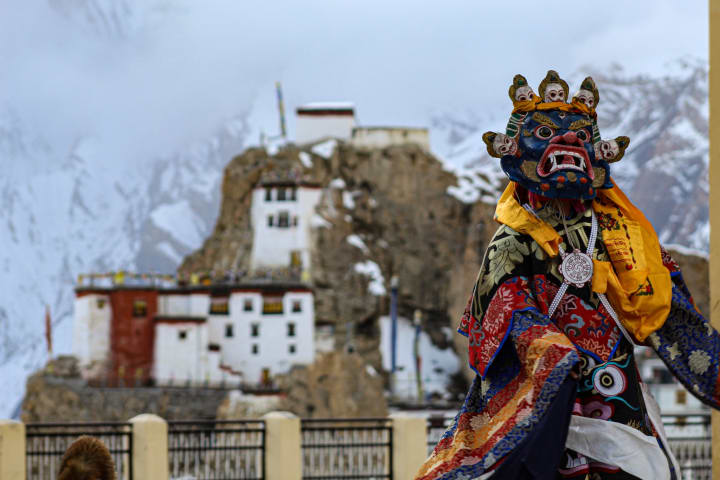
Spiti Valley's culture is deeply rooted in Tibetan Buddhism. The local people, known as Spitians, follow ancient traditions and customs that have been preserved for centuries. Festivals such as Losar (Tibetan New Year), Chham (masked dance festival), and Ladarcha Fair are celebrated with great fervor.
The local cuisine is influenced by Tibetan flavors and includes dishes like thukpa (noodle soup), momos (dumplings), and tsampa (roasted barley flour). Butter tea, made from yak butter and salt, is a popular beverage.
Accommodation and Food
Spiti Valley offers a range of accommodation options, from budget guesthouses and homestays to more luxurious hotels. Staying in a homestay provides an opportunity to experience the local culture and hospitality firsthand.
Popular places to eat include cafes and small eateries in Kaza, which serve a mix of Indian, Tibetan, and continental cuisine. Don't miss trying the local delicacies like yak cheese, chhang (barley beer), and Spitian bread.
Travel Tips
Packing List: Given the high altitude and cold climate, it's essential to pack warm clothing, including thermal wear, down jackets, and woolen accessories. Also, carry sunscreen, sunglasses, and lip balm to protect against the harsh sun and dry weather.
Health and Safety: Acclimation is crucial when visiting Spiti Valley due to its high altitude. Spend a day or two in Kaza to adjust to the altitude before exploring further. Stay hydrated and avoid strenuous activities during the first few days.
Responsible Tourism: Spiti Valley's fragile ecosystem needs to be preserved. Avoid using plastic, dispose of waste responsibly, and respect the local culture and traditions. Support local businesses by staying in homestays and buying locally made products.
Conclusion
Spiti Valley, with its mesmerizing landscapes, ancient monasteries, and vibrant culture, offers an unforgettable travel experience. Whether you're seeking adventure, tranquility, or spiritual solace, Spiti Valley Packages has something to offer. Plan your trip, immerse yourself in the unique charm of Spiti, and create memories that will last a lifetime.
About the Creator
Preeti
HI, I Am a seasoned freelancer and Senior Editor at HPTourTravel, specializing in travel guides and destination content. She is keen to contribute guest blog posts, promising high-quality and engaging content.
How AI Tools for SEO Changed the Way I Create Content and Rankings
I still remember the first time I heard someone say that artificial intelligence would replace SEO writers. At that time, I was already struggling to balance keyword research, content planning, optimization, and the constant pressure to rank higher on search engines. SEO felt less like creativity and more like a never-ending checklist. That was the moment when I decided to give AI tools for SEO a serious try, not as a shortcut, but as a support system.
By Anthony Rodgers4 days ago in Journal
Center Stage with Paul Stewart
*** I'm keen to republish the interviews I did for my series with Vocal creators. It's been a few years and I thought it might be nice to revisit these wonderful conversations. I'll be releasing them one at a time for a few weeks/months.
By Heather Hubler5 days ago in Interview



Comments (2)
Awesome piece
Well done